Fuel types: gasoline, ethanol, NGV and diesel
 Jade Zart 8 min read
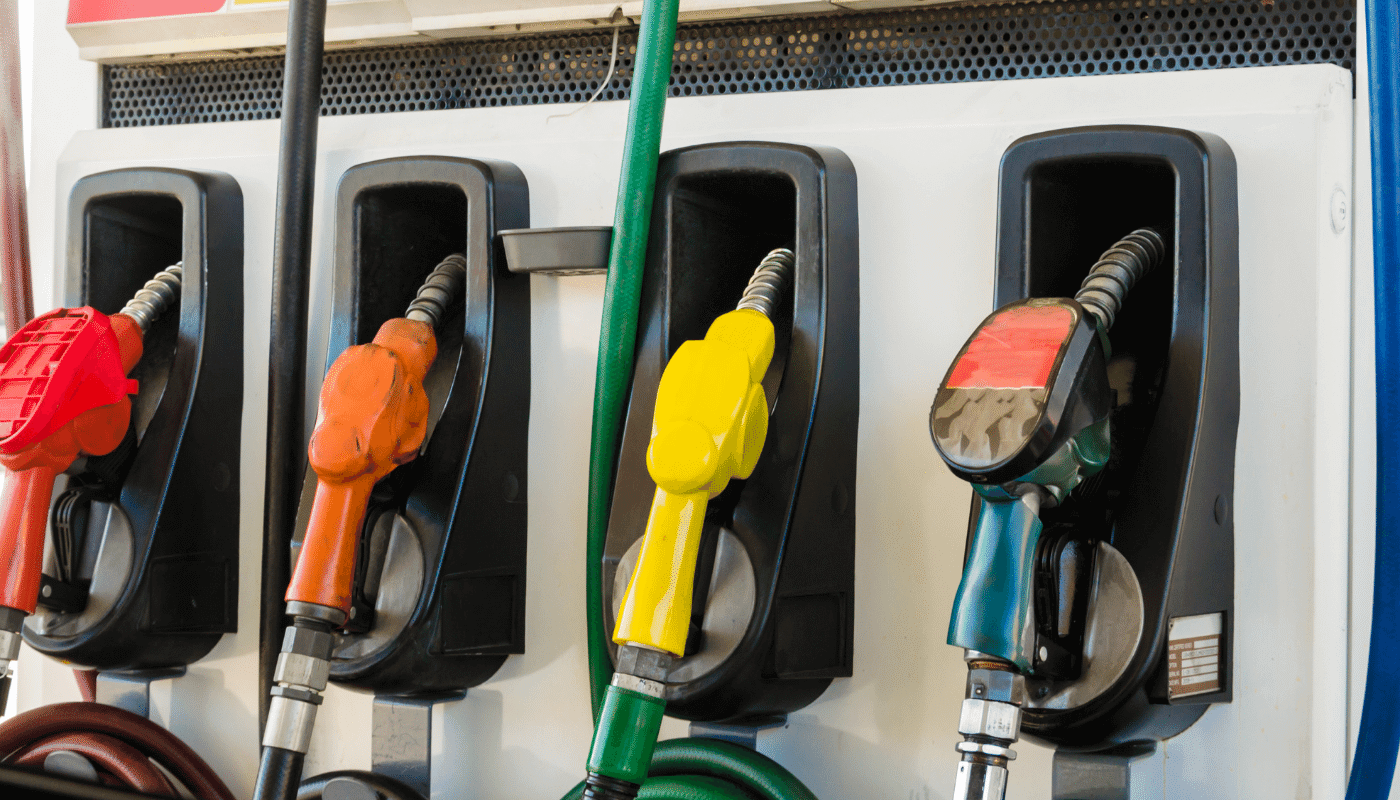
The best way to get access to quality fuel is to have partnerships with fuel stations, so you can have more confidence in the product's origin. In addition to looking at the station's brand and upkeep, it is worth prioritizing retailers authorized by the ANP, Brazil's National Agency of Petroleum, Natural Gas and Biofuels, since in Brazil the sale of gasoline, diesel, ethanol and NGV depends on this authorization.
During route planning, strategic refueling stops can also be added in advance. This gives greater assurance about the fuel's brand, and the driver is not limited to stopping at the cheapest place found along the way.
The truth is that the right choice of fuel contributes to the truck's proper operation. That is why the more you care about the type of fuel that goes into the fleet's vehicles, the smaller the losses from failures, excessive consumption and maintenance tend to be.
Learn more:
- What makes a fuel high quality;
- What are the fuel types;
- What is the best fuel to use in the fleet;
- What is the impact of quality fuel on vehicle performance;
- What damage can poor-quality fuel cause?
- Does quality fuel help reduce fleet consumption?
What makes a fuel high quality?
Factors such as the station's brand (Petrobras, Shell, Ipiranga, etc.), the retailer's regulatory standing and the presence of mandatory information on the pump help identify whether the fuel comes from a more reliable operation.
Reliable stations also have sealed pumps with all the information required by the ANP, such as the station's CNPJ (Brazilian company tax ID) and address. After authorization to operate, regulatory requirements must continue to be met on an ongoing basis.
The ANP also offers Consulta Posto Web, an online lookup that gives access to registration data and the status of retail sellers of automotive fuels. This type of check helps the fleet choose partners more carefully before settling on a refueling route.
In the case of ethanol, there is a thermo-densimeter on the side of the pump — a device that measures the density and temperature of liquids —, which indicates the quality of hydrated ethanol.
When it is a quality product, it should be clear and the red line must be, at most, level with the fuel.
How can you tell if fuel is adulterated?
Unfortunately, this is not possible just at the time of refueling.
However, there are some indications, such as the smell of the station. If you notice something similar to solvents and kerosene, you should avoid returning to that place, as these are strong signs of adulteration.
When there is an irregularity, enforcement can be carried out directly by the ANP or through agreements with state and municipal bodies and those of the Federal District. Penalties for the establishment can range from fines and temporary suspension of operations to revocation of the authorization to carry out the activity.
What are the fuel types?
Regular gasoline
We know this product well, as it is one of the main fuels used in the daily lives of the Brazilian population.
Because it is derived from oil, it can harm the environment in two ways, both through the extraction of the natural resource and through the emission of polluting gases when it is burned.
Its main characteristics are:
- A mandatory blend of anhydrous ethanol, according to current Brazilian regulations;
- A minimum octane rating of 87 AKI (anti-knock index);
- A maximum sulfur content of 50 ppm (parts per million).
Additive gasoline
It is similar to regular gasoline; the difference is that it has added dispersant detergents. This way, when you use additive gasoline, the liquid helps clean and lubricate the engine parts, improving engine performance.
Another plus is that it pollutes less than regular gasoline.
Premium gasoline
This type of gasoline will probably not be used in the fleet, as it is aimed at more powerful vehicles, such as luxury sports cars. In other types of car, it will not be fully used, as the effect becomes similar to that of additive gasoline.
Formulated gasoline
This type of fuel has the oil-derived product and other materials in its composition. That is why it may not be entirely safe. In fact, in Brazil, stations must indicate on the pump whether the gasoline sold is formulated.
In general, there is no clear operational difference compared with using regular gasoline in the fleet, but the station's origin remains a point of attention.
Ethanol
Considered one of the fuels that contribute to the goal of sustainability, ethanol is produced from plant sources. It generally delivers high performance to vehicles and is cheaper at the pump.
The downside: it burns faster than gasoline.
Additive ethanol
Its variation is additive ethanol, which cleans and protects the injection system, prevents rust from forming and reduces friction between engine parts.
Since regular ethanol does not produce residue, the difference between the fuels is minimal and their benefits should be assessed for each vehicle.
Natural gas for vehicles (NGV)
The fuel generally comes from natural gas. But since its base is methane, it can also come from biomethane.
For cars that were already developed for this type of fuel, it is a cheaper alternative with lower environmental impact. Another aspect of this alternative is its more attractive prices.
However, if you convert a car to use gas, there may be a loss of efficiency and performance.
Diesel
There are diesel options available for refueling heavy vehicles, which are among the main vehicles used in freight transport and passenger transport. For the fleet, it is important to check the manufacturer's recommendation and the availability of the product in the region of operation.
S-10
This is low-sulfur diesel. Its composition has 10 ppm (parts per million) of sulfur, a characteristic that reduces the amount of this component in the fuel.
S-10 diesel is offered throughout Brazil. Even so, you need to assess the models in the fleet and the performance of each vehicle when it uses this type of diesel.
S-500
The difference between S-500 and S-10 is that its composition has 500 ppm of sulfur, making it a more polluting alternative than the previous one.
That is why, before choosing this fuel, the fleet needs to check vehicle compatibility, the technical recommendation and the rules that apply to the operation.
S-1800
Following the naming logic of diesel types, this alternative has 1800 ppm of sulfur. If S-500 is already a more polluting fuel to burn, S-1800 manages to be even worse.
For this reason, in Brazil its sale is restricted to mining companies, thermal power plants, railways and other types of authorized heavy equipment, and its use in trucks is prohibited.
What is the best fuel to use in the fleet?
The best fuel option for the fleet's trucks is usually diesel, as long as the type chosen is compatible with the engine, the manufacturer's recommendation and the operation. For other types of vehicles, you need to check the manual and confirm compatibility with the different fuel types.
In addition, to identify the best fuel, you need to refuel and keep track of vehicle performance. After all, the best way to draw sound conclusions is by evaluating real, concrete data from your routine.
In general, you need a refueling plan that considers three key factors:
- Knowing the engine models and their performance.
- Identifying pump prices.
- Recording the kilometers driven with each fuel type.
Other points that can be assessed are how often the vehicle is used, the savings generated and the fleet's sustainability goals.
What is the impact of quality fuel on vehicle performance?
Quality fuel can provide savings in fleet consumption and in the budget. This way, it reduces operating expenses and provides more room to reallocate the operation's resources.
What is more, reducing the emission of polluting gases that harm nature and health is an important and relevant reason today. Something you should pay attention to.
Cleaning and decontaminating the vehicle's engine and catalytic systems is also part of what determines a fuel's quality — although it is a characteristic only of the additive types.
What damage can poor-quality fuel cause?
Among the problems caused by low-quality fuel is damage to the engine and the electronic fuel injection system, since these are the main vehicle components in contact with the product.
Fuel combustion happens through these mechanisms: after entering the pump, the gasoline or diesel passes through the electronic fuel injection to reach the engine and be burned, which makes the vehicle move.
It is well known that additive gasoline and diesel help clean the engine and the mechanisms that carry fuel to it.
In the case of adulteration, the effect is almost the opposite: it clogs the pump, wears engine parts and causes vehicle operating failures. Likewise, it also wears out the electronic fuel injection system itself.
Another resulting setback is acceleration problems, directly affected by the way the engine runs.
Does quality fuel help reduce fleet consumption?
Yes. Adulterated fuels burn quickly, release dirt that contaminates the truck's components and can also cause starting problems, greatly increasing maintenance expenses.
On the other hand, quality fuel not only avoids all these problems but also improves the truck's performance and increases the useful life of its parts, ensuring proper vehicle operation and safety in transport operations.
How about learning new ways to save fuel in your fleet now? Download our Fuel Savings Guide for free (in Portuguese).
Frequently asked questions
How can you tell whether a station's fuel is of good quality?
Can you identify adulterated fuel when refueling?
What is the difference between S-10, S-500 and S-1800 diesel?
Is it worth using additive fuel in the fleet?
What damage can poor-quality fuel cause to a truck?
Is NGV worthwhile for fleet vehicles?
// newsletter
Fleet management content, straight to your inbox
Articles on tires, maintenance and fleet operations. No spam.