
Fleet technology: choosing, implementing and training
 Luiz Felipe 6 min read
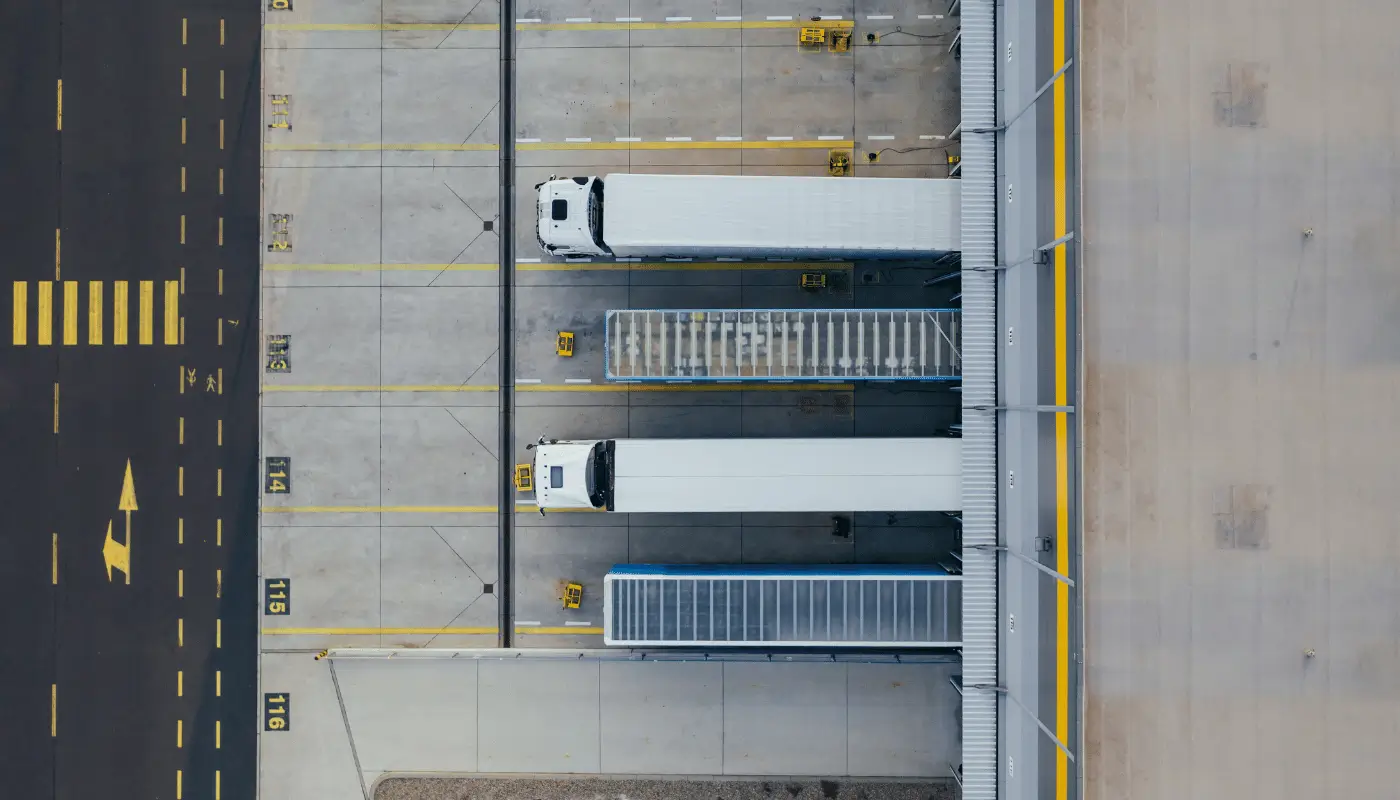
Questions about fleet technology are common, especially considering its growing importance in the management and routine of transport operations.
Technologies such as telematics systems, routing software and maintenance management platforms can deliver very important benefits, such as reduced operating costs, but may bring implementation and usage challenges.
Clarifying these uncertainties and adopting suitable technologies is essential to bringing positive results to your fleet, improving aspects such as savings, productivity and safety.
Below are answers to the 8 main questions about fleet technology that we frequently receive:
- How can I use technology in my fleet?
- What are the best and most useful fleet technologies?
- Is it worth using fleet technology?
- What is the return on investment when implementing fleet management technologies?
- How can fleet management technologies help reduce operating costs?
- What are the best practices for implementing new fleet management technology?
- Which technology is best suited to my fleet's size and specific needs?
- How can I train my team to use new fleet management technologies?
How can I use technology in my fleet?
To use technologies in your fleet, you need to evaluate your operation's needs and how solutions can meet current demands.
Among the most common pain points are high maintenance costs, where a maintenance management system can help optimize this routine and identify bottlenecks as opportunities to reduce spending.
It is also very common to find people who need more detail in tracking and monitoring vehicles on their routes.
In this case, telematics technology is ideal, allowing vehicles to be monitored, average driving speed to be recorded and the stops made by each vehicle on each journey to be understood.
These are just a few examples of the many varied possibilities for using technology in your fleet.
What are the best and most useful fleet technologies?
This answer will also depend on your operations' specific needs.
Some of the main and most widely used fleet technologies today include telematics systems, routing software and fleet and transport management systems.
Other technologies gaining prominence and becoming increasingly present in fleet operations are electronic checklists and maintenance management systems, which focus on controlling vehicle maintenance routines, generating overdue inspection alerts, automating preventive maintenance and generating reports for analysis.
In addition, an electronic measuring device is a technology that connects to the tire management system to deliver highly accurate data on the pressure and wear of these assets.
This allows closer, more predictable control over the actions needed to avoid early losses and increase tire durability.
Is it worth using fleet technology?
This is one of the biggest questions about fleet technology, and the answer could not be more direct: using technology in fleet management is certainly (very much!) worthwhile.
Investment in fleet technology, besides delivering direct financial returns in the area where the solution is applied, also generates benefits overall — reduced associated operating costs, greater logistics efficiency, higher productivity and increased transport safety, among others.
What is the return on investment when implementing fleet management technologies?
Return on investment (also known as ROI) in fleet management when implementing technologies should be measured by comparing the investments made in implementation with the direct and indirect returns generated.
One way, for maintenance management and tire management systems, for example, is direct savings on tire purchases or tire refurbishment and reduced vehicle repair costs.
In addition, improved operational efficiency increases productivity and allows more deliveries in less time. Tracking and telematics technologies also contribute to greater safety, reducing accident rates and costs associated with incidents.
So, although the initial investment can be considerable in some cases, the long-term benefits and savings justify adopting these technologies.
Companies that develop fleet technology generally have an average ROI from their success stories with other operations and can present that figure to you during a demonstration.
This helps you get an idea of what to expect and calculate expected results for your situation.
How can fleet management technologies help reduce operating costs?
Operating costs cover different factors, such as fuel, maintenance, tires and driver salaries. In each case, technologies can help reduce these costs in various ways.
When you manage vehicle maintenance better, you already save on fuel consumption, make better use of vehicle (and tire) useful life and prevent logistics accidents, which also affect payroll.
To evaluate the savings generated in your fleet, you need to monitor key indicators to assess success, in addition to implementation. This more accurate analysis allows you to identify areas for improvement and validate returns on investment in the technologies adopted.
What are the best practices for implementing new fleet management technology?
To successfully implement new fleet management technology, the best practices are:
- Assess needs: determine which specific problems you want to solve with the new technology.
- Research the market: choose the most suitable technology based on functionality, customer support and cost-effectiveness.
- Plan in detail: develop an implementation plan that includes schedules, necessary resources and integration steps.
- Provide training and support: ensure your team receives appropriate training on the new system and provide ongoing support to resolve any questions or problems.
- Monitor, evaluate and adjust: keep track of the technology's performance and evaluate its impact on fleet operations, adjusting practices as needed to benefit from it.
Which technology is best suited to my fleet's size and specific needs?
Choosing the most suitable technology for your fleet depends on the size and specific needs of your operations.
For smaller fleets, simple GPS tracking solutions and management apps may be enough.
For larger fleets, dedicated systems that integrate easily with fleet management platforms are ideal. Also focus on adopting systems that offer detailed data analysis and decision support.
Assess the features offered, the solution's scalability and its ability to integrate with other existing systems in your operation to ensure you choose the technology that best meets your needs.
How can I train my team to use new fleet management technologies?
Among all the questions about fleet technology, we also always receive questions about how a team can adapt to new processes and more readily accept the technologies implemented.
To train your team for this, you need an initial step — analyzing the team's current skills and defining specific training requirements based on the new technology.
Provide training materials offered by the contracted company, such as manuals, video tutorials and FAQs covering all system features. If these do not exist, create and provide materials to support your team.
Another idea is to hold workshops and hands-on sessions so employees can learn by doing, which helps knowledge retention.
Ready to transform your fleet management with cutting-edge technology? Schedule a free Prolog App demonstration.
Frequently asked questions
How do I choose the right technology for my fleet?
Is it worth investing in fleet technology?
How do I calculate the ROI of fleet technology?
How do technologies reduce operating costs?
What are the best practices for implementing new technology?
How can I train my team to use the new technology?
// newsletter
Fleet management content, straight to your inbox
Articles on tires, maintenance and fleet operations. No spam.
Read also
 Technology and logistics efficiency

 Technology and logistics efficiency
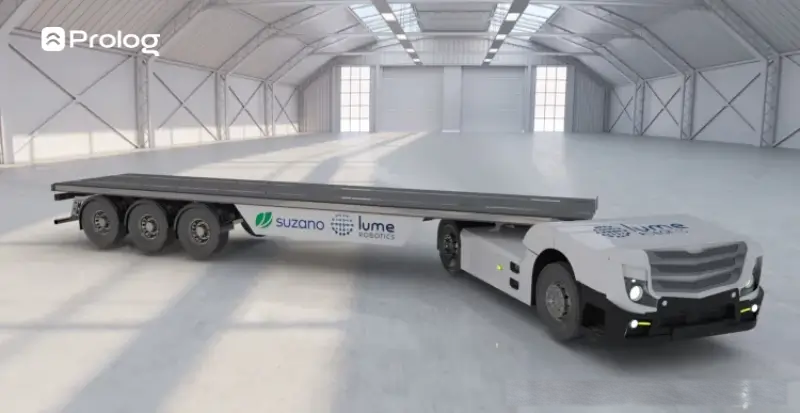
Autonomous trucks in transportation: tests and impacts
Understand autonomous trucks, the technologies involved, where operations are advancing, expected impacts and precautions for fleet management.
Image: Press handout/Lume Robotics
Luiz Felipe