Tire management trends
 Luiz Felipe 5 min read
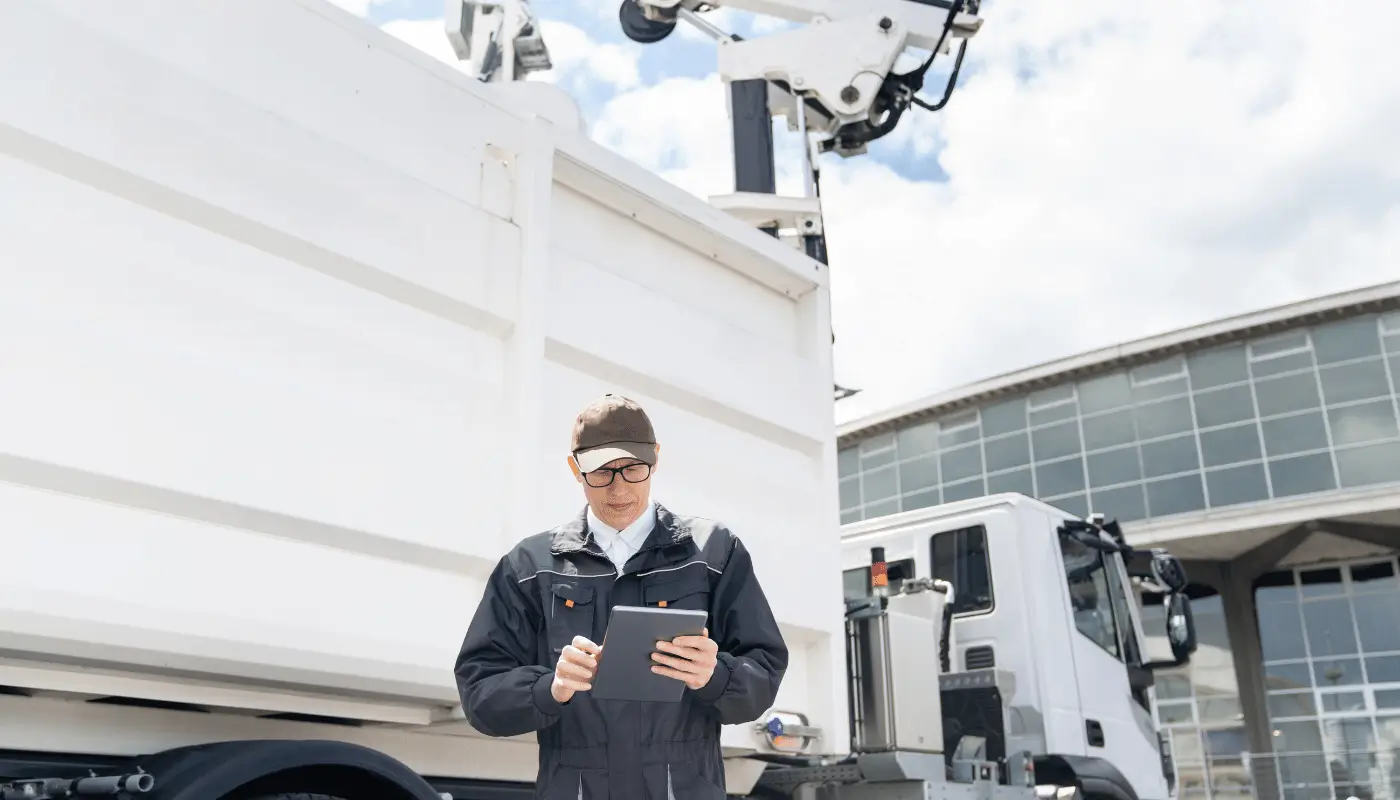
The freight transport sector still has several stages that can be optimized, bringing greater savings, safety and predictability to operations. This is something most managers continue to seek.
When it comes to tires, the pace of problem-solving may seem slower, but the solutions available today are more mature and help transport companies better control wear, pressure, costs and maintenance routines.
That is why you need to know about them. See below:
Watch the video to learn more about the subject (video in Portuguese):
What are the trends in tire management?
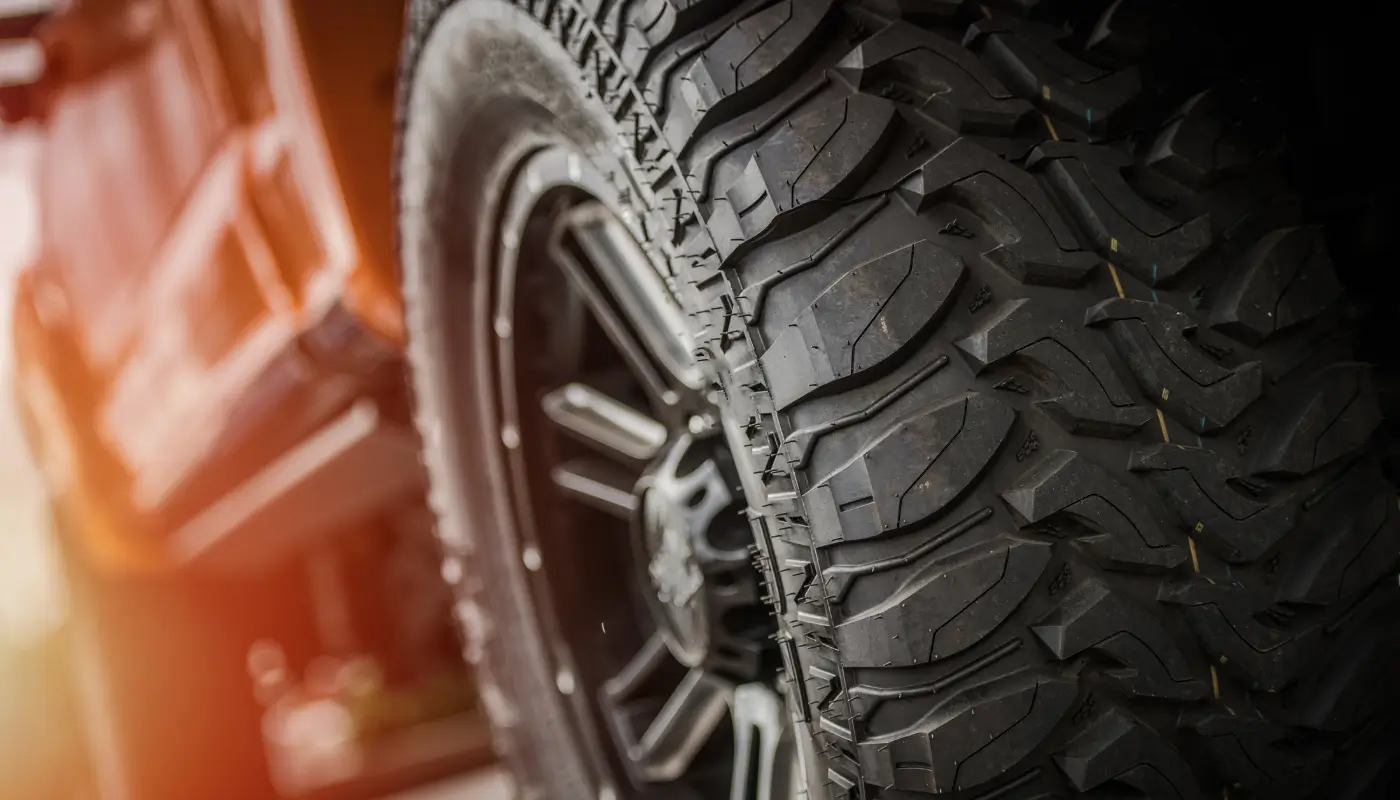
Tire construction with optimized rubber
At the beginning of tire history, natural rubber was used. Later, synthetic rubber began to be used because of high production demand and to avoid shortages of this natural resource.
Today, with so many emerging technologies, even rubber itself has undergone improvements that continue to surprise us.
Nowadays, we can find puncture-resistant solutions and tires developed to reduce pressure loss in certain situations. One example is Seal Inside technology, which helps a tire keep rolling without losing pressure after certain types of puncture.
This point deserves attention because airless tires, tires with sealing solutions and puncture-proof models are not exactly the same category. The trend is to assess each technology according to the problem it solves: punctures, pressure loss, durability, inspection needs and the impact on fleet maintenance.
Technologies in truck tire construction
Since they first appeared, tires have undergone some changes in how they are built. For example, the first tires used only natural rubber. Later, high production demand led to the use of synthetic rubber.
Throughout history, some new techniques have emerged in the production and construction of these parts. Today, solutions for this stage are even being developed with new sustainability, durability and pressure control requirements in mind.
Today, some of the main technologies in manufacturing truck tires and industrial tires are:
- Air Keep: a rubber compound inside the tire that works to preserve air pressure longer, reducing the need for calibration from weekly to every two weeks.
- VAI+: “VAI+” is a visual alignment indicator. This tire wear checking system has a “+” marking in the tread grooves, both when the tire reaches 6.5 mm, its estimated useful life, and when it reaches 3 mm, the indicated point for sending the tire for retreading.
- V- Hexane and P- 900: these are two technologies that help reduce tire overheating, preventing excessive pressure loss and damage to the outer rubber.
- Nanotechnology: still in search of an effective technology, this area seeks to develop more energy-efficient and “greener” tires with a lower environmental impact.
- Seal Inside and sealing solutions: rather than being treated as airless tires, these solutions should be seen as sealing technologies for situations involving punctures and pressure loss. In the case described by Pirelli, Seal Inside does not require a dedicated rim or TPMS to be used safely on the vehicle.
Electronic tread probe
Like a tire with “VAI+” technology, the electronic tread probe serves to keep track of tire wear through tread depth measurement.
Unlike manual tread probes, already used in various operations, the electronic version offers the advantage of measuring tread depth in a few seconds. It is also a semi-automated process, because:
The driver or manager inserts the device into the groove, and from that point the record enters the digital workflow: the tread probe measures that point and sends data directly to the management system via Bluetooth.
Another advantage: the device, at least the one developed at Prolog, also measures tire pressure. This only requires adapting the product with the hose that connects to the tire valve.
Tire management software
As explained, the electronic tread probe sends data directly to a system. The system itself is therefore another tire management trend.
It is fairly common to find fleet management software solutions with tire management functionality, but in many cases these solutions are incomplete and too basic.
Software specifically designed for this stage of the operation provides in-depth detail and control of several fundamental tasks in daily operations. For example, tire relocation and inventory count control.
The biggest difference in using a dedicated system rather than a general-purpose solution, or even focusing only on control spreadsheets, is the automation of reports and analyses.
In Prolog's case, you receive reports on inspections carried out, tire replacement forecasts, notices about the need for tire rotation, retreading and so on.
You also get a view of tire CPK, which is crucial information for purchasing new fleet assets.
Data-driven management
When discussing technology and tire management trends, data could not be left out.
In fact, it is barely a trend anymore: data is here to stay, and the reason is clear. It is essential for understanding the fleet's reality and seeking solutions that actually work.
All technological and digital solutions assist in collecting and generating this data, as well as organizing and managing it. Even so, sensors and alerts do not replace routine checks: pressure monitoring systems, for example, can warn of significant loss, but checking pressure with a gauge remains part of tire care.
How can you adapt the fleet to tire management trends?
To begin, it is worth analyzing which trends make sense to apply in your operation. If you need to optimize tire inspection time, looking for an electronic tread probe is the approach to take.
If you need greater tire savings, testing new tire models may be the solution; having a management system will also provide reports with more useful information for decision-making.
When bringing in a new solution, you need to remember three simple steps:
- Assess the fleet's real need.
- Identify the processes that will change in the operation's routine.
- Introduce the solution to employees and provide the necessary training.
Do you already know which tire management trend you will investigate further? You can take a first step by scheduling a demonstration of Prolog App Tire Management Software — it is free.
Frequently asked questions
Tire inspections take too much of the team's time. What solves this?
What is the difference between a fleet system's tire module and specialized software?
What are airless tires, and are they already on the market?
How does the VAI+ marking on a tire work?
How can I choose which trend to adopt in the fleet first?
What information does tire management software provide day to day?
// newsletter
Fleet management content, straight to your inbox
Articles on tires, maintenance and fleet operations. No spam.