7 types of truck tire damage and what causes them
 Luiz Felipe 5 min read
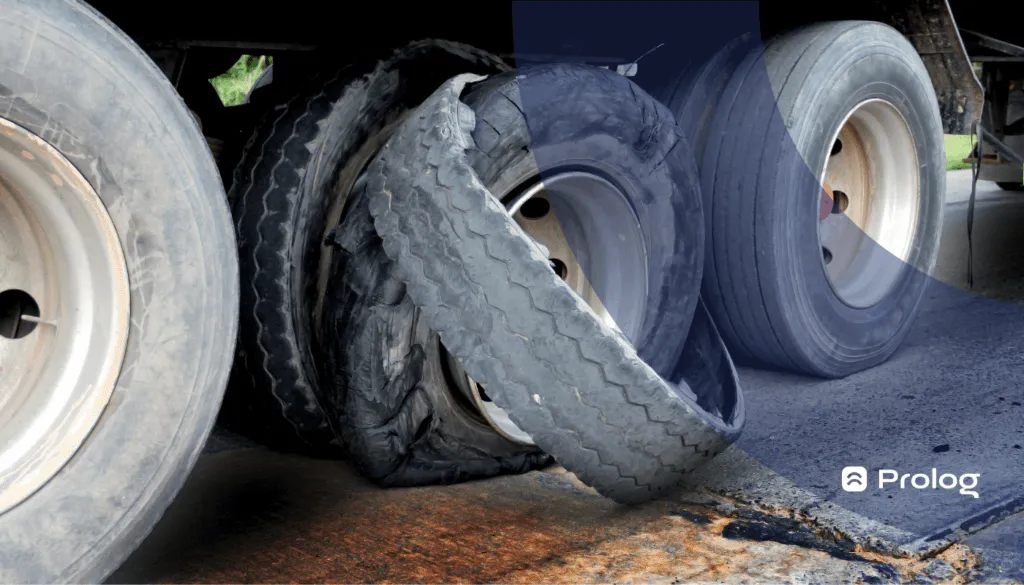
Tire damage is inevitable. Especially considering that tires are responsible for supporting loads and withstanding potholes and stones, always sitting between different surfaces and the vehicle.
Unfortunately, there is no magic that eliminates this risk. However, there are precautions and best practices that must be followed to prevent total tire loss before its time.
In a fleet's routine, rather than treating the component according to a generic expiry period, it is more important to keep track of each tire individually: wear, retreading, life cycle, cost, inspection history and maintenance.
In fact, many operations miss out on tire retreading due to avoidable oversights. An attentive manager needs to know the main tire defects, recognize them and take preventive measures that extend their useful life.
We will therefore help you identify and avoid the most common damage that can occur to a truck's tires.
Types of tire damage
Below we list the most recurring tire damage, but remember that this information alone does not provide a diagnosis. For any tire damage, take the vehicle to a workshop immediately and carry out the necessary maintenance to ensure vehicle safety, agreed?
Now, see the types of defects a tire can show:
1. Tire wear
There are many types of tire wear. The three main and most common types:
- One-sided wear: appears on the side of the tire tread, either left or right. It is normally related to axle geometry and can indicate a component out of its proper position, such as springs, clamps or suspension. When there is misalignment, correction must be performed by a qualified specialist.
- Diagonal wear: when wear occurs in specific parts of the tread without any pattern, it can indicate play in axle bearings and unbalanced tires.
- Central wear: is concentrated in the center of the tread. Rather than treating this wear as an effect of a specific vehicle type, check how the tire is used and confirm that the applied pressure follows the manufacturer's recommendation for the vehicle exactly.
2. Bulges appearing on a radial tire's sidewall
When the internal casing cords break, bulges resembling veins appear on the side of the rubber. In general, these deformations arise from heavy impacts, such as crossing speed bumps, potholes, curb edges and raised road markers at an inappropriate speed or angle. Ignoring this type of damage increases the risk of future tire failure.
3. Tread belt separation
This issue is very common, mainly because it results from low tire calibration pressure combined with excess weight and overheating. Driving with tires below the specified pressure is one of the main causes of tire issues, making the component wear faster and accumulate heat. If the tire is not maintained at the ideal pressure, the tread belts separate and disposal is the only solution.
4. Exposed plies/belts at tire edges
Exposed plies at tire edges can be caused by faults in the axles or tie rod ends, which may be misaligned. Since this damage involves a structural part of the tire, do not treat it as a simple, guaranteed repair: take the vehicle to a workshop for the necessary assessment and maintenance before deciding the next step.
5. Tread detachment
The tread can come loose from the wheel if the driver does not take the necessary care while driving, especially on dirt roads with many stones. Only a tire inspection performed by a professional tire technician can establish whether repair is possible in this case.
6. Tread cracks
Breaks and cracks in tire rubber are issues that arise when lubrication is not ideal during wheel mounting and removal. If the damage does not reach the bead, repair is possible.
On bias-ply tires, cracking also occurs due to incorrect calibration or excess vehicle load. It is worth confirming that all tires installed on the vehicle support the same load weight and that calibration follows the manufacturer's recommended pressure.
7. Cuts and punctures
Cuts and punctures are frequent tire damage because they are external consequences of poor road conditions and sharp or pointed objects on the ground, such as stones, glass, nails and screws. If a puncture is deep enough, the tire may start losing pressure. Generally, this type of issue is easily resolved, but you need to consult a mechanic immediately after finding the damage.
What can you do to prevent tire damage?
The best recommendation we can give is:
Include a tire management process in your fleet routine.
For a fleet of trucks or even buses, with a large number of heavy vehicles to keep track of, this detail makes all the difference.
Keeping servicing up to date is the safest way to prevent these defects. Or, when they arise, to ensure the ideal repair as soon as possible, preventing casing fatigue, disposal and the high cost of buying new assets.
Maintenance must take place according to the vehicle manufacturer's recommendations, so keep an eye on truck mileage, check tire tread depth frequently, inflate according to the pressure specified by the manufacturer, check tires cold whenever possible and perform tire rotation at regular intervals to encourage a more uniform wear pattern.
In fact, defining tire inspection and maintenance deadlines and schedules will be better with the help of concrete data about the tires in your transport operation.
In this case, using tire management technologies becomes very beneficial. With organized data on wear, retreading, life cycle and cost per tire, the fleet has a stronger basis for keeping track of each asset and deciding when to inspect, repair, retread or dispose of it.
Discover the leading tire management solution in a free demonstration. Click here to contact a Prolog specialist.
Frequently asked questions
What are the most common types of truck tire damage?
What does the type of tire wear indicate?
Which tire damage cannot be repaired?
How long does a tire last and why are many lost prematurely?
What should you do when tire damage is identified?
How can fleet tire damage be reduced?
// newsletter
Fleet management content, straight to your inbox
Articles on tires, maintenance and fleet operations. No spam.