Truck won't go into gear: 8 causes and what to check
 Jean Zart 7 min read
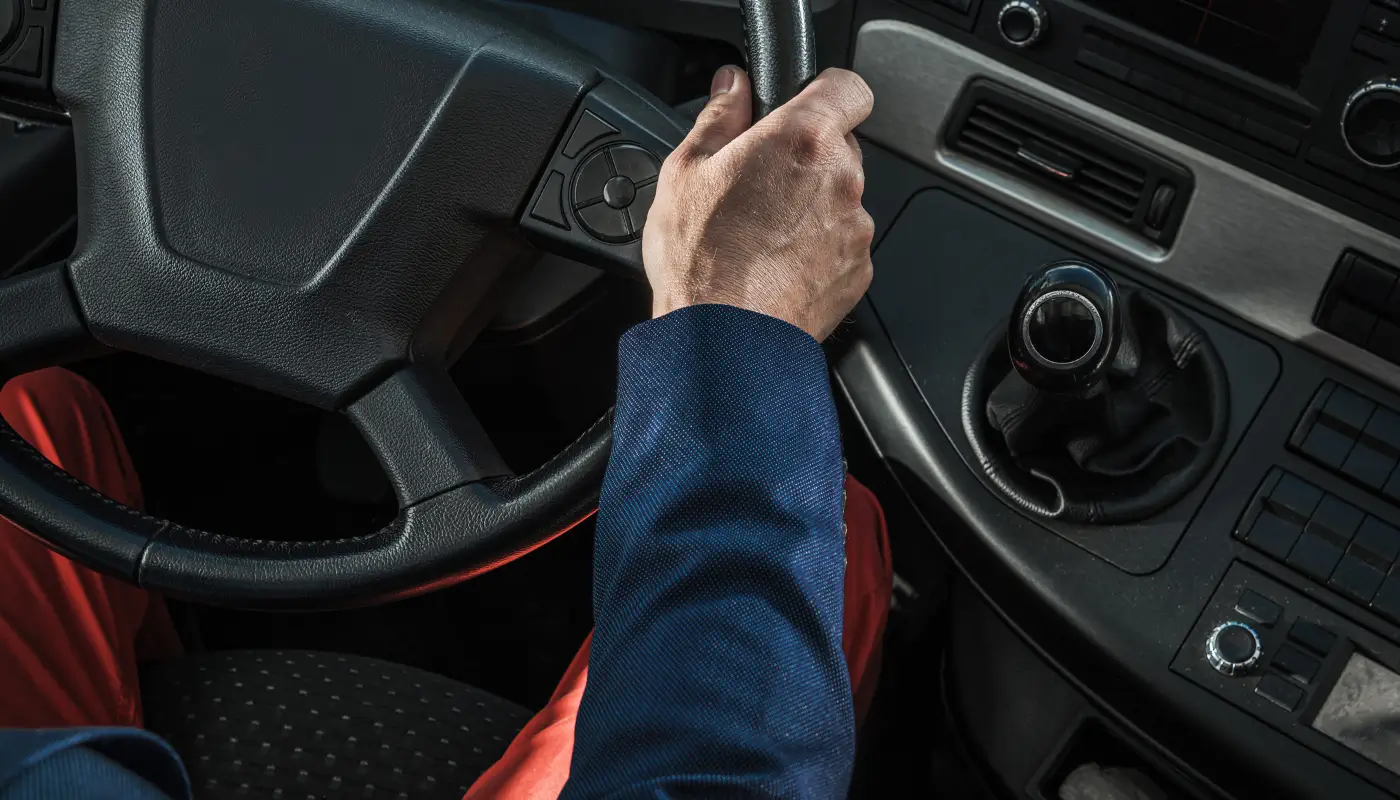
When a truck won't go into gear, the situation can be frustrating and hurt the operation's productivity. Besides causing delays, this difficulty can create risks to the safety of the driver and the cargo.
This issue is more common than you might think and is often related to simple failures that can be prevented or fixed with proper maintenance. Even so, the diagnosis shouldn't be treated as a single sequence for every truck: manual and automated transmissions and different actuation systems may require their own checks.
That's why, before topping up fluid, taking components apart or insisting on the shift, it's worth observing the symptoms, checking the manufacturer's recommendations and sending the vehicle for specialized assessment when the failure persists or involves noise, judder, leaks or loss of actuation.
- What should you do when the truck has trouble shifting gears?
- Learn the 8 most common reasons a truck won't go into gear.
What should you do when the truck has trouble shifting gears?
When the truck's gearbox resists when you shift gears, it can be a sign of wear in clutch components, unsuitable fluid or even failures in the synchronization system.
Identifying the cause of the issue as early as possible is essential to avoid more serious damage and ensure the vehicle keeps operating safely and with good performance. The difference is that the check needs to respect the architecture of the assembly: in a synchronized manual transmission, the symptoms may point to the clutch, lever, cables, synchronizers or lubrication; in automated transmissions, such as Volvo's I-Shift, there is an electronic control unit that manages the clutch and the gear changes.
With preventive inspections and proper control of scheduled services, it's possible to identify wear before it becomes a serious failure, reducing the risk of unexpected downtime and costs!
If maintenance management isn't yet a priority in your fleet, it's high time to start. The sooner you implement an efficient plan, the higher the vehicles' availability will be and the smaller the impact of issues like this on the operation.
Now check the main points that should be analyzed to diagnose and resolve the gear engagement issue in the truck, always taking into account the manufacturer's manual and the vehicle's transmission type:
Check the clutch pedal
One of the most frequent reasons for difficulty shifting gears is wear or malfunction of the clutch system. Press the pedal and see whether it feels stiffer or “looser” than normal.
If something is abnormal, it may be necessary to adjust or replace the clutch cable or master cylinder. If the truck uses an automated transmission or another system without the same pedal actuation, avoid applying this diagnosis as a general rule and follow the procedure indicated for that model.
Inspect the hydraulic fluid
Trucks with a hydraulic clutch system depend on an adequate fluid level to work properly. Low or contaminated fluid can make it harder to actuate the system and, consequently, to engage the gears.
Check the reservoir and top up or replace the fluid, if necessary, using the specification indicated by the manufacturer. If there is a leak, recurring contamination or doubt about the correct fluid, the change shouldn't be improvised: ideally, record the symptom and send the vehicle to the workshop for assessment.
Test the gear lever
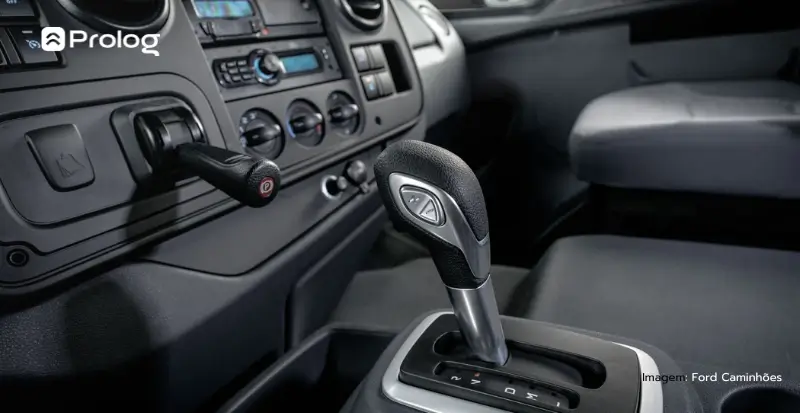
The gear lever may be worn or misaligned, which makes it harder to engage the gears. Check for excessive play, difficulty selecting positions or an imprecise feel when shifting and, if you find problems, ask a specialist to adjust or replace the component.
It's also worth noting whether the failure appears in all gears or only in some positions. This detail helps distinguish external play from an internal gearbox issue, but it doesn't replace a technical diagnosis.
Assess the synchronizer system
If the issue occurs when trying to engage first or second gear, it may be a sign of wear in the synchronizers. These components are responsible for matching the speeds between the engine and the gearbox in synchronized manual transmissions. In severe cases, replacement may be necessary.
This point needs to be handled with care because not every transmission uses the same architecture. Volvo's I-Shift, for example, is based on a non-synchronized manual transmission and has electronic management of the clutch and the gear changes. In these cases, difficulty shifting shouldn't automatically be blamed on the synchronizers.
Examine the shift cables
Worn, misaligned or corroded cables can make gear changes harder. Do a complete inspection of the cables and replace them if they are compromised.
In maintenance practice, this inspection should look for play, binding, points of corrosion, damaged fasteners and any visible change in the actuation travel. If the vehicle's assembly doesn't use cables for this actuation, record that condition and move on to the procedure that applies to the installed system.
Note the position of the wheels
If the truck is parked on a steep uphill or downhill slope, there may be excessive pressure on the transmission system, making it harder to shift into gear. In these situations, try to relieve the pressure using the parking brake before shifting into gear.
Avoid forcing the lever or repeatedly insisting on the shift when there is strong resistance. Besides not solving the cause, this can worsen wear in components that are already compromised. If shifting is still difficult after relieving the pressure, the vehicle should be assessed before returning to normal operation.
Learn the 8 most common reasons a truck won't go into gear
If the truck's gearbox resists when you shift gears, there may be different causes behind the issue. From clutch wear to transmission failures, identifying the right reason helps avoid greater damage and ensure the vehicle keeps operating safely.
Check out the 8 main reasons that can make it harder to shift gears:
- Clutch wear: this is a common cause and may be related to wear of the disc, problems with the pressure plate or even wear of the cable or hydraulic fluid. When the clutch doesn't work properly, the gears become hard to engage or judder. In automated systems, there may also be a clutch, but its actuation and diagnosis follow a different logic.
- Internal gearbox issues: if it's hard to engage several gears or the gearbox makes unusual noises, the issue may be worn gears, synchronizer failures when they are part of the design, or damaged bearings.
- Misalignment of the gearbox or transmission: if the truck has undergone recent repairs or faced severe operating conditions, misaligned components can impair the operation of the transmission system.
- Low level or poor quality of gearbox oil: inadequate lubrication increases friction between the gears, making it harder to engage them. Always use the type of oil recommended by the manufacturer to ensure the best performance. For Allison transmissions, for example, the manufacturer itself recommends TES 668 approved fluids for performance and durability in different operating environments.
- Synchronizer failures: synchronizers are responsible for matching the speeds between the engine and the gearbox in synchronized manual transmissions. If they are worn, engaging the gears can be harder, especially first and second gear. In non-synchronized or automated transmissions, the diagnosis should follow the system's architecture.
- Worn or misaligned engine flywheel: if there is wear or misalignment, the gears may become hard to engage, mainly the first ones. This problem should be checked by a specialist.
- Gear lever problems: excessive play or misalignment of the lever can compromise shifting precision and make gear changes harder.
- Low or contaminated hydraulic fluid: in trucks that use a hydraulic clutch, a low level or contamination of the fluid can compromise the system's actuation and make it harder to engage the gears. When the actuation is different, this cause should be confirmed before any top-up.
Keeping the transmission system up to date on maintenance is essential to prevent small problems from turning into big headaches. Regular inspections and good maintenance planning can make all the difference in your operation.
And if you need help organizing this maintenance routine, download our free maintenance control spreadsheet now (in Portuguese) and get a complete, structured view of each vehicle's history.
Frequently asked questions
Why won't the truck go into gear?
What should you do when the truck won't shift into gear?
Stiff shifting only in first and second gear: what could it be?
Does low clutch fluid make it harder to shift into gear?
How can you prevent gear engagement problems in a truck?
// newsletter
Fleet management content, straight to your inbox
Articles on tires, maintenance and fleet operations. No spam.