Vehicle fleet productivity: 5 areas for improvement
 Luiz Felipe 3 min read
Transport operations involve high costs and, contrary to what it may seem, this does not mean they are efficient. To achieve greater productivity, every process in the vehicle fleet must be optimized.
Without a doubt, technology is what makes any company's processes more efficient today. Why? Because it makes entering information faster and sometimes even automatic.
Moreover, many systems generate reports, making performance and productivity analysis easier. In other words, they enable decision-making that is much better suited to each fleet's goals.
Of course, technology cannot do everything on its own. So, let us continue with some extra tips on how to increase vehicle fleet efficiency and then discuss technology in more detail.
Hire qualified employees
This is standard practice. A team of drivers who understand the importance of each task and know how to perform it correctly is essential.
This is a great help in preventing damage and broken parts, fuel waste, and even the loss of fleet vehicles due to malfunctions.
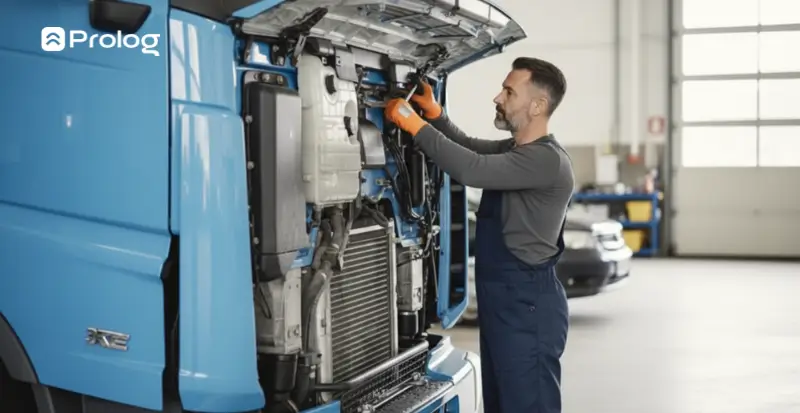
In addition, maintenance suppliers and workers must be well qualified and professional.
Analyze fleet productivity indicators
KPIs, as performance indicators are called, point to important factors that help you understand what is happening in your fleet.
Some indicators to track with productivity in mind include average trip time, the number of trips made over a period of time, average time spent on vehicle maintenance, fleet vehicle capacity, and so on.
Virtually anything related to the time required to carry out a task can be considered part of productivity KPIs. However, you need to identify which ones are most useful for analyzing and solving your vehicle fleet's issues.
Strengthen internal communication
An essential step toward meeting goals and objectives. When everyone is aligned and knows what to pursue and how to pursue it, all tasks flow better.
To ensure this communication, you can hold weekly meetings, exchange messages through a dedicated channel, and update information and data in fleet management software.
This way, everyone stays informed about the transport company's plans and can see how the process is progressing.
Carry out tire control for the vehicle fleet
Part of what makes running a transport operation so costly is the need to replace tires frequently. However, this situation can easily be changed.
All you need to do is carry out tire management!
It does have a cost, but considerably less than leaving tires without any care and having to replace them more often than you should, without using all the useful life they have to offer.
Anything related to tires can fall within this management, but especially the inspection task for wear control. This is the fundamental part of ensuring their durability.
Acquire specialized fleet technology
Still on the subject of tires, you can consider adopting technology for this specific task. For example, here at Prolog we developed an inspection kit that lets you perform the process with automatic data collection.
Working with our system, the digital tread probe collects pressure and tread depth readings and updates the software in real time.
All the collected information is then analyzed within the system, and you receive indications of each tire's wear level, the possible issue causing excessive wear (when present), and the solution that can help improve fleet productivity.
However, there are also other technologies for increasing transport operational efficiency. For example:
Telemetry: this is a cargo tracking solution that also helps control mileage traveled, the vehicle's average speed during the trip, etc.;
ERP: an integrated management system aims to improve a company's internal processes as a whole, so it handles activities across different departments, beyond the vehicle fleet.
Electric truck: this vehicle type is becoming increasingly attractive; although it costs more to buy, it is more economical in the long term.
Among many other technologies, these are some that currently stand out. If you are also interested in the topic, feel free to explore our blog, where you will find several detailed and informative posts.
To learn more about our solution, visit: Prolog Tire Management (in Portuguese)!
Frequently asked questions
How can you increase vehicle fleet productivity?
Which KPIs measure fleet productivity?
Why does tire control affect fleet productivity?
Which technologies help improve vehicle fleet efficiency?
// newsletter
Fleet management content, straight to your inbox
Articles on tires, maintenance and fleet operations. No spam.