
Freight Transport:
Cut Costs and Increase
Operational Efficiency
In a market where every cent counts, cutting costs and increasing productivity are essential. With Prolog’s tire and maintenance management, you overcome early tire loss, excessive fuel consumption and high maintenance costs.
Maintenance cost
−40%
↓ corrective to preventive
Fuel consumption
−10%
↓ via tire management
- Electronic tire inspection recorded 18s ago
- Preventive WO opened by mileage 3m ago
- Non-conformity recorded on semi-trailer 6m ago
- Departure checklist submitted by driver 9m ago
- Roadside assistance request 14m ago

freight transport
+1,500 operations
in Brazil and abroad
preventive maintenance
fuel consumption
savings per month
operations on Prolog
What is freight transport
Freight transport is the activity of moving goods from a point of origin to a destination using vehicles suited to the nature of the cargo. In Brazil, road transport accounts for most of the volume moved, operated by carriers and by shippers’ own fleets with trucks, tractor-trailers, semi-trailers and other road equipment.
The efficiency of the operation depends directly on vehicle fleet management: preventive maintenance control, tire cycle management, periodic inspections and follow-up of indicators such as cost per kilometer (CPK) and mechanical availability.
How road freight transport works
Carriers and private fleet operators plan routes, schedule maintenance, control tire condition and manage the operating cost of each truck and piece of equipment. Cost per kilometer is the main indicator of the operation’s financial health.
Trucks and semi-trailers
cargo vehicles
Preventive maintenance
workshop and tire shop
Tire management
retreading and wear
Operational indicators
CPK and availability
Prolog’s 3 modules
in your freight transport operation
Technology applied to freight transport: tires, checklist and maintenance integrated into a single platform.
Electronic Checklist
Greater control over your fleet’s vehicles.
- Customizable checklists for each vehicle, on your phone
- Fast detection of failures during inspections
- Automatic opening of work orders
Maintenance Management
40% more savings with preventive maintenance.
- WOs by mileage or preventive schedule
- Less corrective maintenance and uninterrupted service
- Longer useful life for every vehicle in the fleet
Tire Management
Cut fuel consumption by up to 10%.
- Inspections scheduled within the plan
- Tires always in ideal running condition
- The right moment for retreading · no early disposal
Trucks on the road:
Operating at full capacity
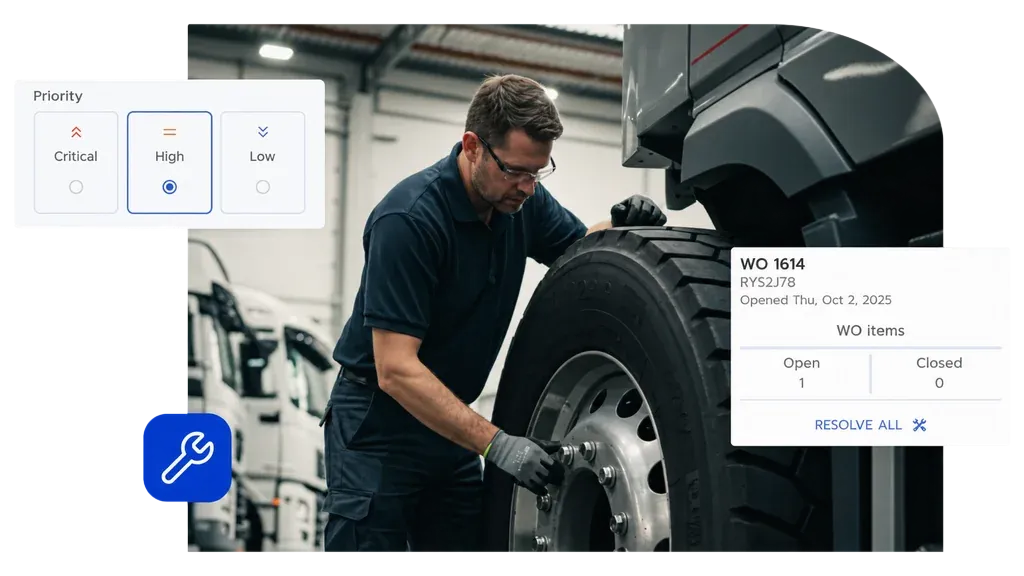
Simplify your vehicle inspection routine with the customizable Electronic Checklist, filled out on a phone. No issue goes unnoticed: detect failures and open work orders automatically.
Know which vehicles are under maintenance, the severity of the damage, the mean time to repair and how often issues recur. Increase the availability and productivity of your freight transport fleet.


Cut up to 10%
of fuel consumption
A lack of control and care with your tires may be increasing your fuel consumption by up to 25%.
With Tire Management, inspections happen on schedule, ensuring tires always run in ideal condition, reducing the rolling force required and, consequently, fuel consumption.
Eliminate early disposal
Through agile control of tire wear, know the best time for retreading, extending useful life, avoiding early disposal and lowering the operation’s cost per tire.
Manage inventory
and costs efficiently
Know which vehicles and processes consume the most budget in your operation. Control costs and identify savings opportunities with Maintenance Management.
Eliminate unnecessary purchases and keep inventory under control. Avoid waste and achieve more effective financial management of your freight transport operation.
Essential indicators for
freight transport operations
KPIs every carrier fleet manager needs to follow to make data-driven decisions.
Cost per kilometer
Divides total operating expenses by the mileage covered. The main gauge of fleet efficiency.
Mechanical availability
Percentage of time trucks are fit to run, without being under maintenance or having a mechanical defect.
Preventive vs. corrective
How much of the maintenance is planned versus reactive. Efficient operations keep more than 70% of interventions in preventive mode.
Mean time to repair
Measures how many hours, on average, a vehicle stays stopped at the workshop. The lower the MTTR, the higher the fleet availability.
Cost per tire
Measures the average spend per tire, including retreading, disposal and replacements. Active cycle management reduces this indicator.
Non-conformity rate
Percentage of items failed in inspection checklists. A high rate signals maintenance failures or a lack of standardization.
Prolog centralizes all these indicators in dashboards updated with every inspection, accessible on phone or desktop, with no manual spreadsheets. See a demo →
Those who use Prolog
are already saving for real
+1,500 operations in 4 countries. Watch what our customers have to say.


Full tire cycle under control, lower maintenance costs.

Evandro Soares
Grupo ALP
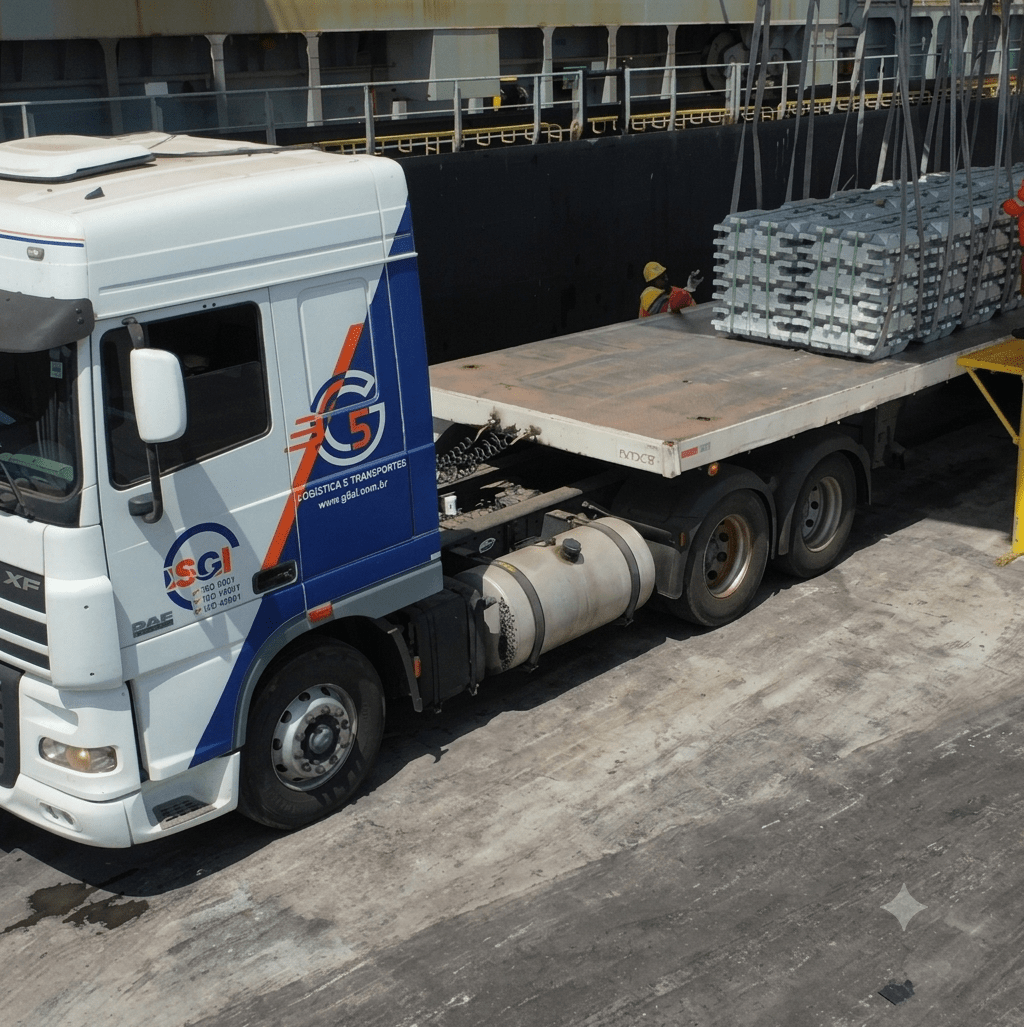

Tires removed at the right time, longer-lasting casings.

Luiz Menezes
G5 Soluções Logísticas
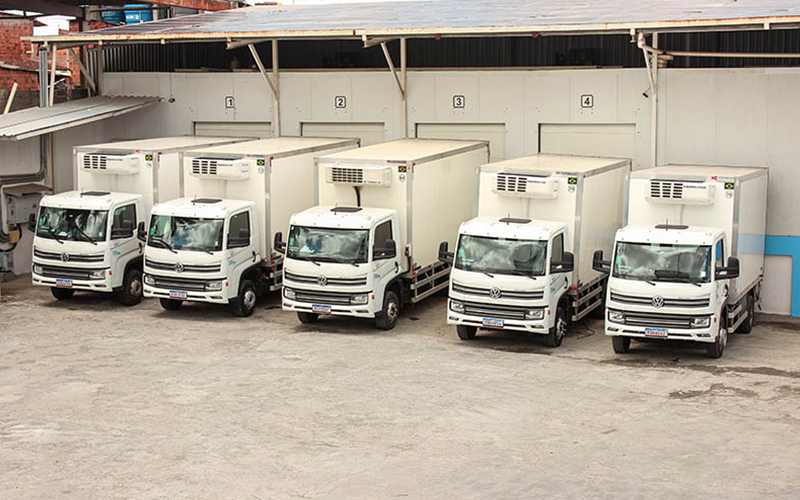

Digital checklist and more efficient preventive maintenance.

Alécio Nunes
Vivaldo & Souza
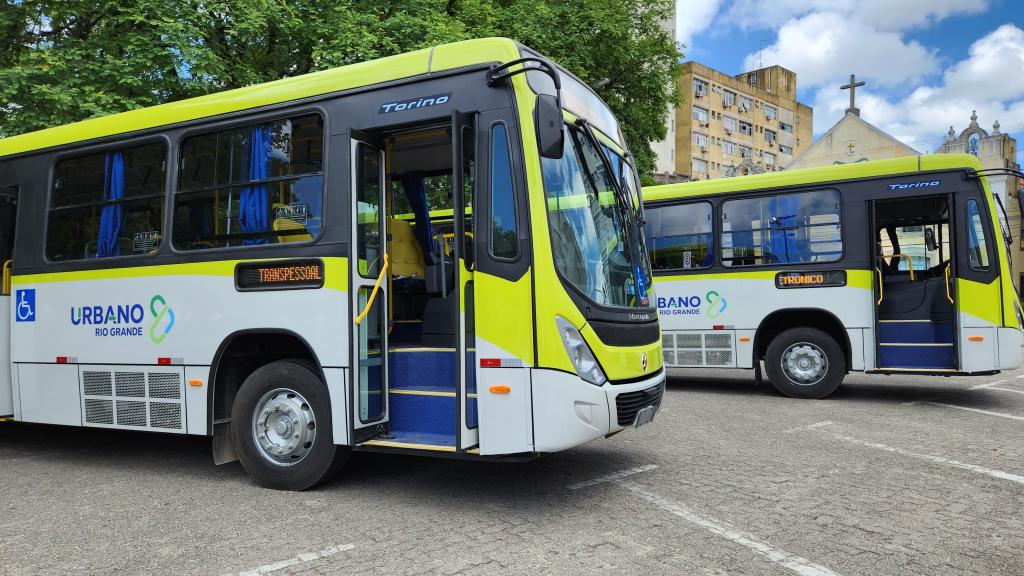

R$ 15 to R$ 20 thousand saved every month with tire management.

Juliano Oliveira
Transpessoal
+1,500 operations served in 4 countries
Be one of the +1,500 operations
already saving with Prolog
operations on Prolog
active vehicles
active tires
countries served
Frequently asked questions about
freight transport
Straight answers for fleet managers, coordinators and carrier owners.
What is freight transport?
+
Freight transport is the activity of moving goods from a point of origin to a destination using vehicles suited to the nature of the cargo. In Brazil, road transport accounts for most of the volume moved, operated mainly by carriers and by shippers’ own fleets.
How does road freight transport work in Brazil?
+
Road freight transport in Brazil operates with trucks and road equipment (tractor-trailers, semi-trailers, B-doubles and road trains) that travel the national road network. Carriers plan routes, manage the vehicle fleet, control operating costs and ensure deliveries within the contracted deadlines.
What are the main costs of freight transport?
+
The main costs of freight transport include fuel, preventive and corrective maintenance, tires and retreading, vehicle depreciation, labor (drivers and maintenance team), tolls and administrative expenses. Effective control of these items defines how competitive the operation is.
How to reduce operating costs in freight transport?
+
To reduce operating costs in freight transport, it is essential to: (1) implement preventive maintenance based on mileage and schedules; (2) manage the full tire cycle to avoid early disposal; (3) control fuel consumption linked to tire condition; (4) standardize vehicle inspections with an electronic checklist; (5) use operational indicators to identify savings opportunities.
What is cost per kilometer (CPK) in freight transport?
+
Cost per kilometer (CPK) is an indicator that divides total operating expenses by the mileage covered by the fleet over a period. It is the central metric of fleet management in freight transport: it makes it possible to compare efficiency across vehicles, routes and periods, and to identify deviations and savings opportunities.
What is fleet mechanical availability?
+
Mechanical availability is the percentage of time the fleet’s vehicles are fit to operate, without being under maintenance or broken down. A fleet with high mechanical availability reduces route interruptions, avoids losses from delivery delays and increases operational productivity. Preventive maintenance is the main factor in keeping this rate high.
How to increase the availability of a freight transport fleet?
+
To increase fleet availability, corrective maintenance needs to be replaced by preventive maintenance: schedule services by mileage or calendar, carry out periodic vehicle inspections with an electronic checklist, record non-conformities and open work orders automatically. As a result, trucks spend less time stopped at the workshop and more time on the road.
What is preventive maintenance in a truck fleet?
+
Preventive maintenance in a truck fleet is the set of scheduled interventions carried out before a failure occurs, based on mileage covered, elapsed time or component condition. It reduces corrective maintenance spending by up to 40%, extends the useful life of vehicles and lowers the risk of unexpected breakdowns on the road.
How does tire management affect freight transport costs?
+
Poorly managed tires can increase fuel consumption by up to 25% and lead to early repurchases that inflate the monthly budget. Tire management controls wear, defines the ideal moment for retreading and eliminates early disposal, generating savings of R$ 15 thousand to R$ 20 thousand per month in medium and large operations.
What is the electronic checklist for transport fleets?
+
The electronic checklist is a digital tool that replaces paper forms in vehicle inspections. The driver or inspector fills out the checklist on their phone, records photo evidence of non-conformities and the system opens work orders automatically. It ensures traceability of inspections, standardized processes and fast detection of failures before the vehicle leaves on its route.
Which KPIs to use in freight transport fleet management?
+
The main KPIs for freight transport fleet management are: cost per kilometer (CPK), fleet mechanical availability, preventive vs. corrective maintenance ratio, average fuel consumption per vehicle, tire useful life, retreading rate, number of work orders opened and resolved, and mean time to repair (MTTR).
How does fleet management software help carriers reduce costs?
+
Fleet management software centralizes maintenance, tire and inspection data in a single dashboard, automates the opening of work orders, schedules preventive maintenance and generates indicators updated with every inspection. Carriers that adopt this technology eliminate manual spreadsheets, reduce rework and make decisions based on real operational data.
Have specific questions about your operation? Talk to a specialist →
Tire Management
Full cycle control
Maintenance Management
Preventive and corrective
Electronic Checklist
Inspections on your phone
Case Studies
Carriers and logistics
Tire Management Guide
Free material
Savings Calculator
Estimate your savings
Fleet Management
Indicators and control
Blog
Articles for fleet managers

Transform the management of your
freight fleet
Our team is ready to answer your questions and show how to improve the results of your freight transport operation with Prolog’s solutions.