Are all season tires worth it in Brazil?
 Jade Zart 5 min read
All season tires are a versatile solution for facing varied weather conditions without the need to change tires frequently.
They have become useful given the constant diversity of climates in the country, which challenges carrying out logistics operations with safety and efficiency in transport.
Also known as tires for all seasons, these components promise adaptability from the heat of summer to the unpredictability of rain and even snow in other seasons, depending on the region you are in.
But do they deliver what they promise? Find out below:
- What is an all season tire?
- What are the three types of tires?
- How can you tell whether a tire is for cold weather?
- What temperature can a tire withstand?
- When should you use all season tires?
- Is it worth buying all season tires in Brazil?
What is an all season tire?
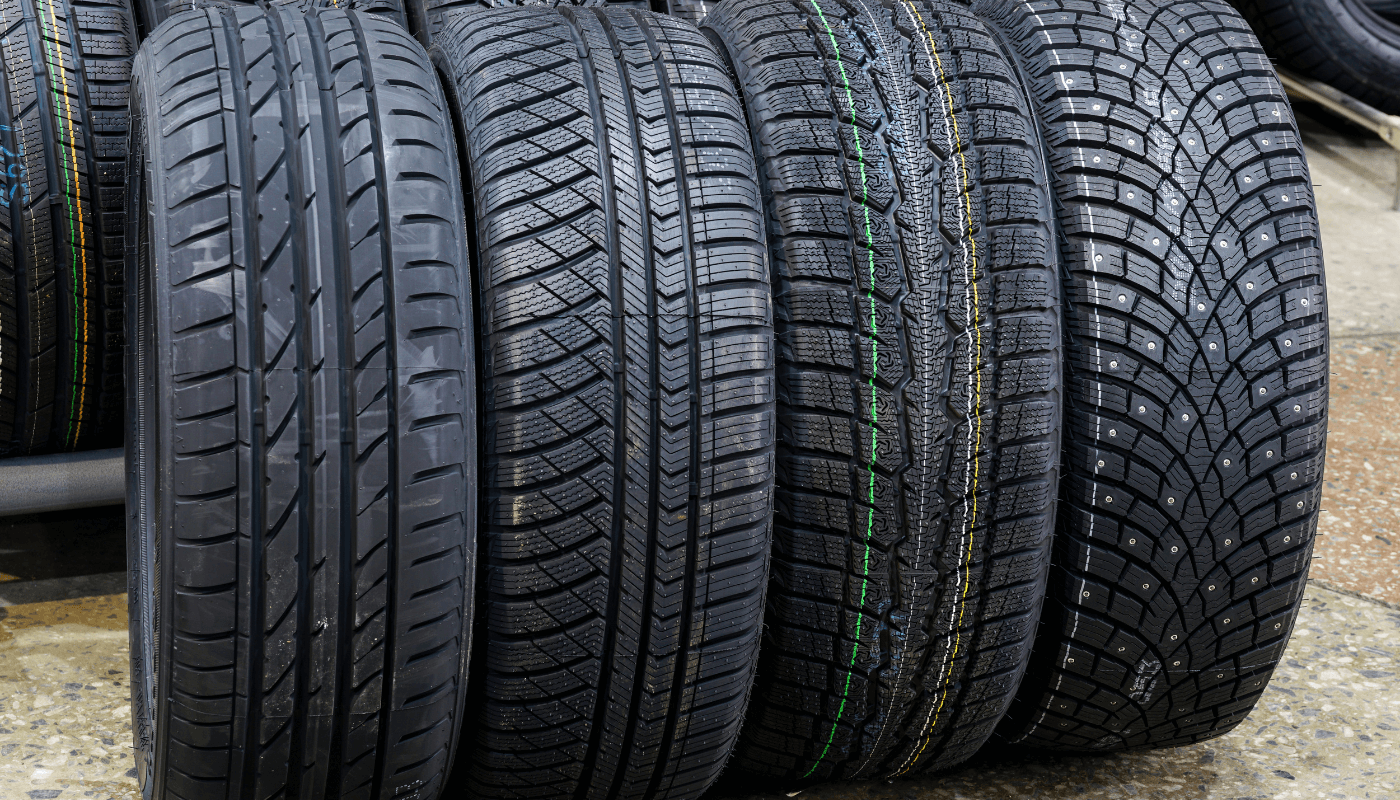
All season tires, or tires for all seasons, are designed as the intermediate solution between summer and winter tires.
Their compound and tread design are optimized to offer consistent performance in various weather conditions.
While summer tires are ideal for high temperatures and winter tires are necessary to face snow and ice safely, all season tires are made to be effective both in dry, hot climates and in situations of light rain and moderately cold temperatures.
They are the practical choice for drivers who experience weather variations, but not severe extremes, eliminating the need for seasonal tire changes and ensuring safe and adaptable driving throughout the year.
What are the three types of tires for weather conditions?
There are three main types of tires, each designed for specific conditions and offering different levels of grip and performance: summer, winter and all season tires.
Summer tires are optimized for high temperatures and dry roads, providing excellent traction and efficiency in the heat.
Winter tires, on the other hand, are made with softer rubber and have deeper tread patterns than conventional tires, which makes them ideal for maintaining grip on water, snow, ice and low temperatures in general.
Finally, all season tires are versatile, with manufacturing characteristics that combine both summer and winter requirements, although they are not ideal for extreme conditions in either case.
This flexibility makes all season tires a convenient option for fleets that need to face variable weather conditions but want to save money and avoid changing tires every season.
How can you tell whether a tire is for cold weather?
First, look for the Alpine symbol, also known as 3PMSF, which has a “snowflake inside a mountain” design. This is a standard certification indicating that the tire has been tested and meets the specific requirements to provide traction in severe snow conditions.
In addition, winter tires usually have a deeper tread and distinct patterns with sipes, which are small zigzag-shaped grooves designed to push out snow and water and improve grip.
The rubber compound is also different, being designed to stay flexible at temperatures below 7 degrees Celsius and maintain performance and safety when temperatures drop.
When choosing tires for cold weather, these characteristics are essential to ensure they are suitable for use in winter conditions.
What temperature can a tire withstand?
Tires are designed to withstand various temperatures, both in heat and in cold.
Generally, summer tires are built to operate efficiently at temperatures above 7ºC; on the other hand, winter tires are optimized to perform below this level.
In both cases, the goal is to maintain the tires' traction and efficiency.
All season tires are in the middle ground, developed to handle moderate temperatures. For example, in situations of excessive heat, tires can reach temperatures of up to 80ºC on the tread.
However, some tire models can be damaged at lower temperatures, and others can withstand even more heat than that. The durability and resistance of tires vary according to the make, model and technical specifications of the manufacturer.
In extreme cold, all season tires can withstand low temperatures, close to 7ºC, but they may start to lose efficiency and be damaged by the hardening of the rubber if driven very frequently below that temperature.
Is it harmful to use winter tires in summer?
Using winter tires during summer is not advisable. These tires are designed to provide grip and stability in cold and snowy conditions, with a rubber compound that stays flexible at low temperatures.
In the summer heat, this same rubber can become excessively soft, resulting in excessive pressure loss, greater wear, and reduced braking effectiveness and vehicle control.
In addition, the increased rolling resistance can lead to higher fuel consumption.
Therefore, although they are not prohibited, snow and winter tires in summer can compromise safety and efficiency, and the use of tires suited to high temperatures is recommended.
When should you use all season tires in your fleet?
The choice of all season tires for a fleet should be made after an analysis of the predominant weather conditions on the routes and in the regions the vehicles travel through.
These tires are most suitable for regions where weather variations are moderate and roads do not get too hot or full of water, ice and snow.
If your operation takes place in a milder climate, all season tires can be an efficient solution, eliminating the need to change tires at every change of season.
However, for extreme climates, the best option is to choose hot-weather tires and winter tires.
Is it worth investing in all season tires in Brazil?
Investing in all season tires in Brazil can be a sound decision, given the country's climate diversity, which includes areas with tropical, subtropical and even temperate climates.
This means all season tires can offer consistent performance on most Brazilian roads for much of the year.
They are designed to provide good handling on both wet and dry roads and can cope with temperature variations within a moderate range, which makes them a practical and economical option.
However, for specific regions of Brazil, such as the South during winter or the Center-West at the height of summer, it may be necessary to assess whether tires specific to those seasons would be more appropriate.
What else do you want to know about tires for fleets? Check out a complete, free e-book for managing these assets in your company: download it here (in Portuguese).
Frequently asked questions
Is it worth buying all season tires in Brazil?
How can you tell whether a tire is suitable for cold weather?
When do all season tires make sense for a fleet?
What temperature can tires withstand?
Is it harmful to use winter tires in summer?
Can all season tires handle intense cold?
// newsletter
Fleet management content, straight to your inbox
Articles on tires, maintenance and fleet operations. No spam.