Fleet drivers: best practices and the manager's role
 Jade Zart 5 min read
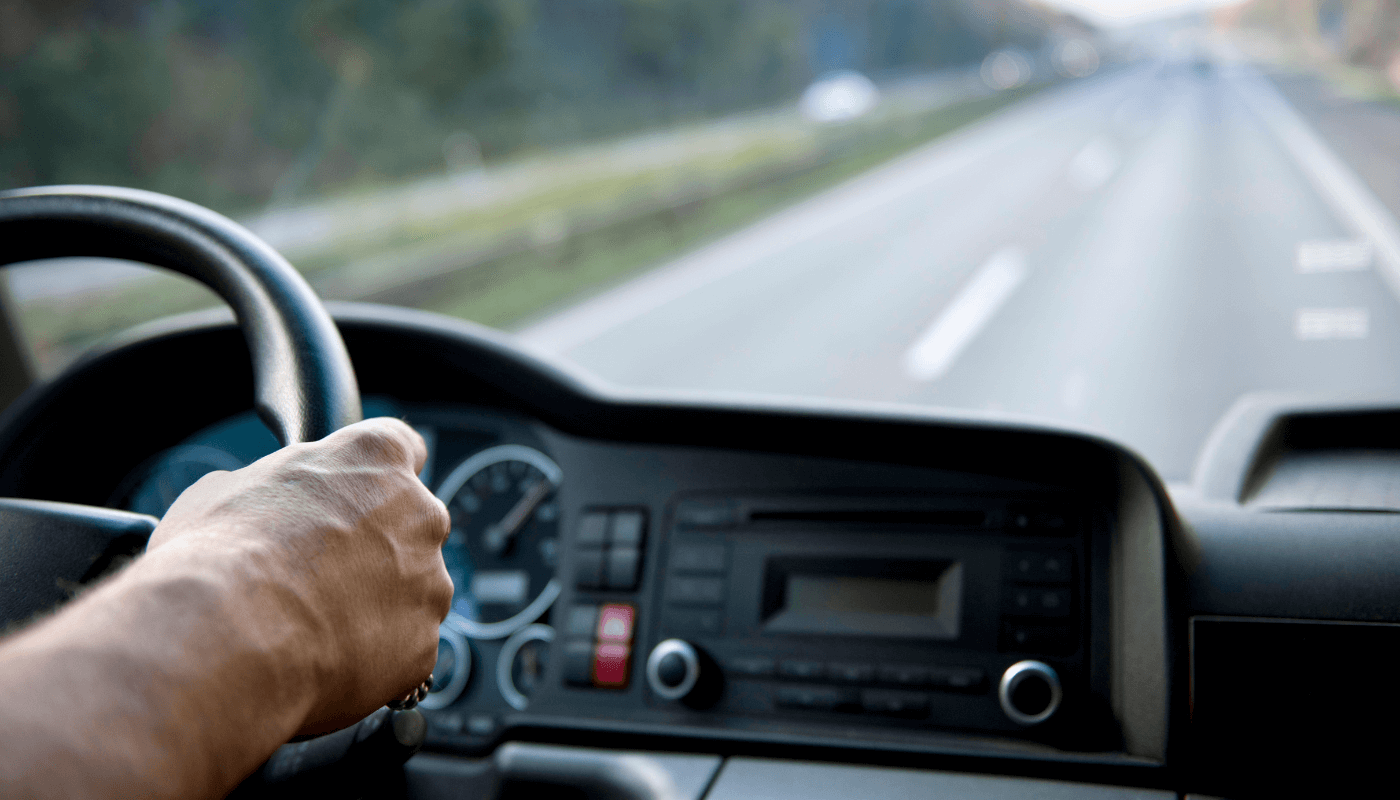
Part of a fleet manager's role is to identify and encourage best practices for drivers.
Drivers are fundamental in transport operations, carrying out the most important stage: taking products and cargo from one place to their destination.
However, it is common for them to have habits and behaviors that can compromise transport safety and, in some cases, the company's reputation.
Learn more below:
- What does a fleet driver do?
- What are the best practices for drivers?
- What else can the manager do to ensure safety on the roads?
What does a fleet driver do?
The fleet driver is responsible for driving the vehicle from one point to another, playing a fundamental role in the transport and distribution operation.
However, in addition to the operational function, the driver also has other responsibilities in the routine within the fleet.
Examples of driver tasks and responsibilities are:
- Practicing defensive and economical driving;
- Carrying out the daily inspection of the vehicles through the checklist provided;
- Requesting preventive and corrective maintenance services by opening Work Orders when identifying issues while doing the checklist;
- Respecting traffic laws and signs;
- Checking the tires and calibration regularly;
- Refueling as instructed by the fleet manager;
- Keeping the vehicles clean and organized;
- Knowing the routes and being prepared;
- Following the best practices for drivers set by their manager.
Want to see this in your fleet? Talk to a Prolog specialist
What are the best practices for drivers?
The main best practices for drivers relate to driving the vehicle, because they must respect the flow of traffic and avoid dangerous maneuvers and overtaking.
Along the same lines, they should pay attention to where driving is permitted, the maximum height allowed for vehicles (in the case of larger trucks) and parking in prohibited places.
Check out other details below:
How a driver should behave
Drivers should behave in a way that ensures the greatest possible safety in transport. They need to respect other drivers and vehicles on the road, as well as know and comply with traffic laws.
For the good of the fleet, their behavior must always be to practice defensive driving.
In addition, they should recognize their tiredness and fatigue, taking breaks as needed and communicating with the manager if they need to stop at a place that was not planned on the route.
What every driver should know
Some things drivers need to know concern driving style: avoiding excessive acceleration, not braking harshly, keeping a distance from other vehicles on the road, and slowing down when going over speed bumps and when approaching a yellow traffic light.
Among other items that are also considered best practices for drivers, these are basic actions that everyone should know and follow.
Another very important point that the fleet driver should know is how to carry out a checklist and, in some cases, make small repairs to the vehicle they drive.
What recommendations does the manager need to give fleet drivers?
- Avoid distractions at the wheel;
- Rest;
- Do not consume alcoholic beverages or stimulants;
- Do not use illicit drugs and stimulants;
- Avoid taking medications that cause drowsiness or other side effects.
It is also the manager's responsibility to know traffic laws and present them to the drivers in their fleet, as well as indicate the routes they should take and which places they should avoid.
What else can the manager do to ensure safety on the roads?
Manage drivers and working hours
The control of drivers and their working hours in the fleet should be carried out accurately and correctly. In fact, Brazil's Driver Law sets out the best practices for the manager to carry out this control and also the driver's duties so that all the information is correct.
For example, drivers need to fill in their logbook, whether on paper or digitally, with the correct times and on every day they are working. Otherwise, they will be creating problems for management.
Control incidents on the route and fleet fines
Understanding the main fines received in the fleet and who receives them is an important part of recognizing when best practices for drivers are being followed or not.
Likewise, it is possible to identify the biggest reasons for infractions and provide training based on them, showing drivers the importance of having better habits and behaviors for traffic safety.
This analysis can be done through a system or a fine control spreadsheet.
Monitor routes
Route monitoring makes it possible to identify driver behaviors such as speeding, number of stops made, engine idle time, compliance with the planned route, among other information.
Telematics is the most common option lately, but there are several technological solutions for this purpose on the market.
Encourage best practices for drivers
Holding training sessions, practice with simulations and even talks are ways to keep employees engaged and informed about best practices for drivers in traffic.
Outside of traffic too, in fact, since the driver is responsible for the vehicle inspection stage at the departure and return of the routes carried out every day.
Provide drivers with the tools they need
The best way to get drivers to follow the best practices recommended to them is to give them the tools they need for that to happen. If you expect to control the drivers' daily working hours, give them a form that is practical and quick to fill in.
For the vehicle inspection stage, provide a ready-made checklist that also makes the task quick and practical, for example, a list where they only need to mark “OK” or “not OK” for each item.
Want to learn other best practices for drivers? Check out this free booklet full of valuable information (in Portuguese).
Frequently asked questions
What does a fleet driver do?
What are the best practices for fleet drivers?
What recommendations should the manager give to fleet drivers?
What can the manager do to increase drivers' safety on the roads?
How can you tell whether drivers are following best practices?
// newsletter
Fleet management content, straight to your inbox
Articles on tires, maintenance and fleet operations. No spam.