Bus and truck tires: there is no difference
 Luiz Felipe 4 min read
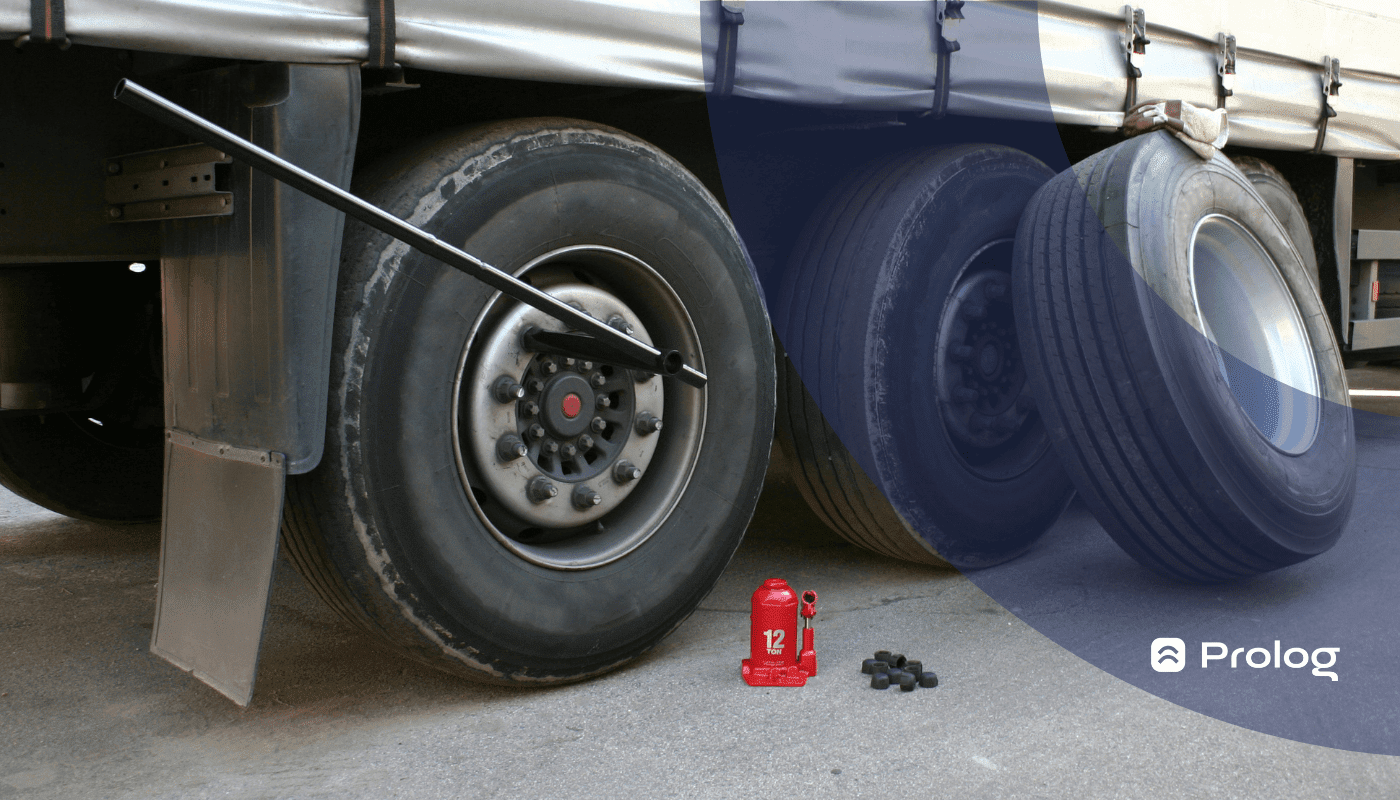
Is there a difference between bus and truck tires? Can the tires of one vehicle be used on the other without issues?
Whether you are buying a used tire or your company works with both vehicle types, it is important to know how to use or reuse tires in the best way. One piece of information you need is the answer to our opening question:
Is there a difference between tires for these two vehicles? Buses and trucks?
Let’s look at this in more detail below.
Is there a difference between bus and truck tires?
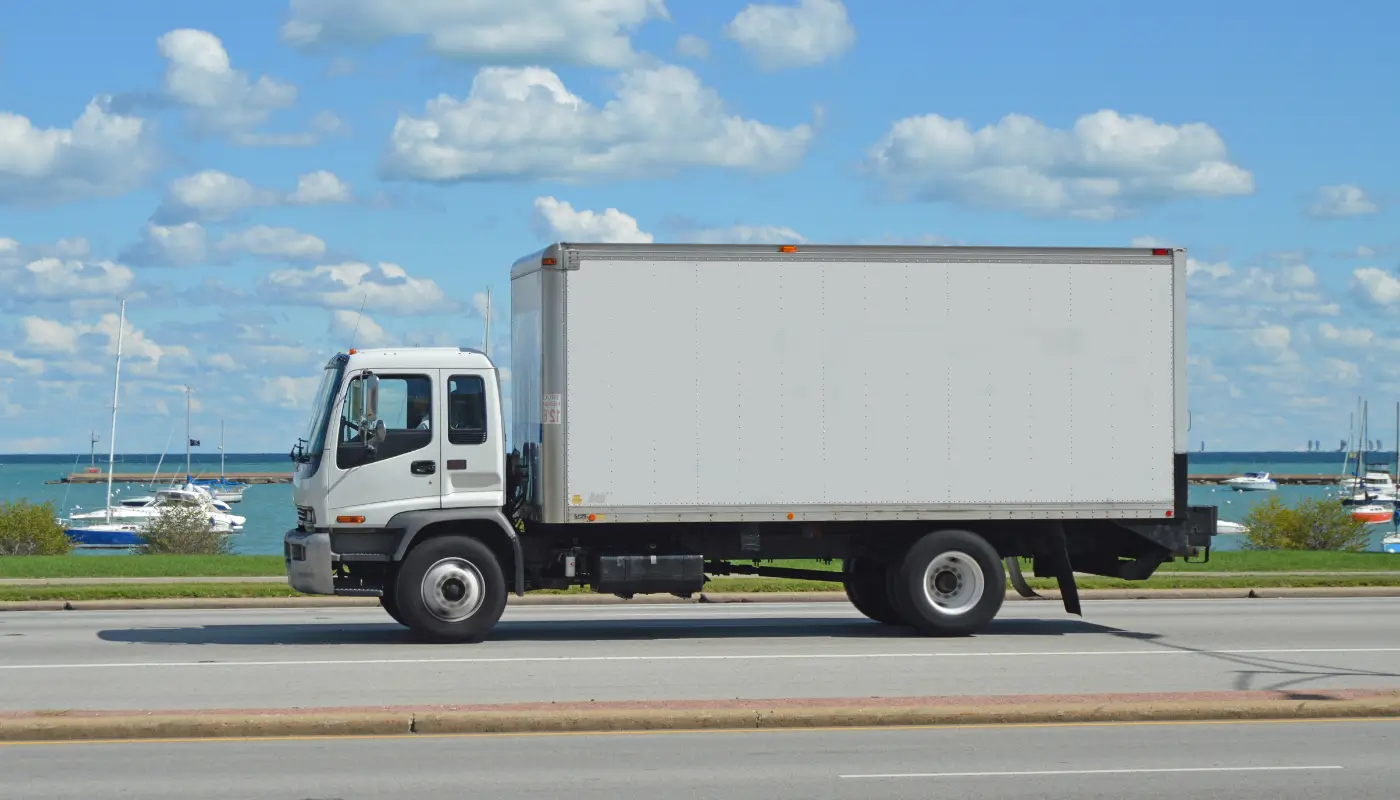
Basically, the answer is no. There is no difference between bus and truck tires.
The truth is that they can be used on both vehicle types, provided the tires are the appropriate size and model.
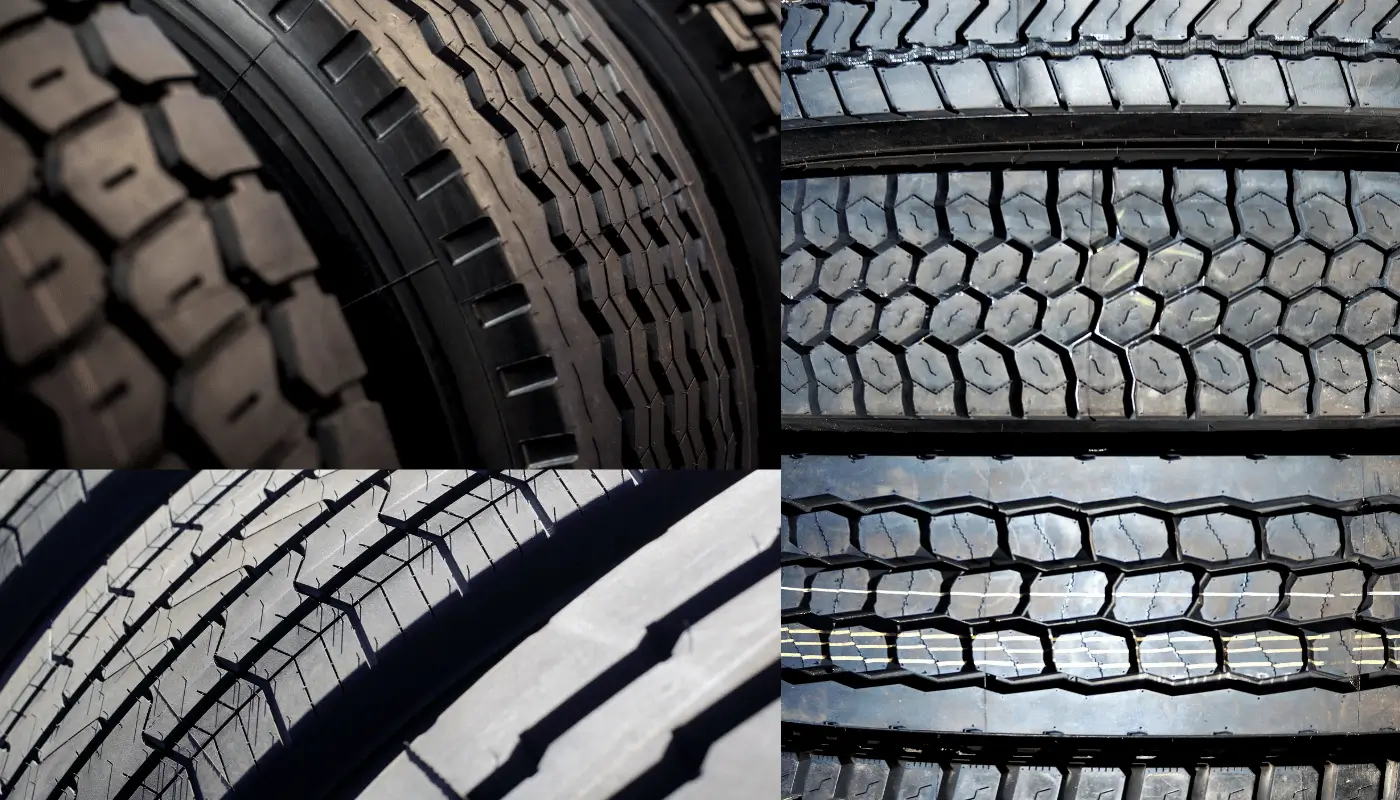
In addition, you should know the tire types and also consider the road to choose a more suitable tire. That said, to get more out of tires and avoid damage during mounting and demounting on different vehicles, you need to follow some guidelines.
What care helps preserve tires?
It is always worth emphasizing how proper tire care helps make the most of their useful life. It is also an important part of extending tire life through retreading.
What does this care involve?
Drive carefully
You and your drivers need to be aware that driving style makes a difference to the fleet’s fuel and maintenance bills. Including tire costs, of course.
You therefore need to drive carefully and avoid actions that harm tires (in many cases unnecessarily). Such as excessive acceleration that exceeds the limit the tire’s rubber can withstand.
To better understand your tires’ limits, check the information on the sidewall!
Rotate tires
Rotation serves to balance wear among all the vehicle’s tires. This way, when replacement time comes, you will be able to replace all tires at once (instead of one at a time, harming tire performance and the vehicle as a whole).
Balancing and alignment
Issues caused by a lack of alignment and balancing include irregular and uneven wear on tires. They may suffer greater wear on the side or have specific wear spots.
In both cases, you increase the chances of premature casing loss, because retreading may become impossible.
Inflate tires
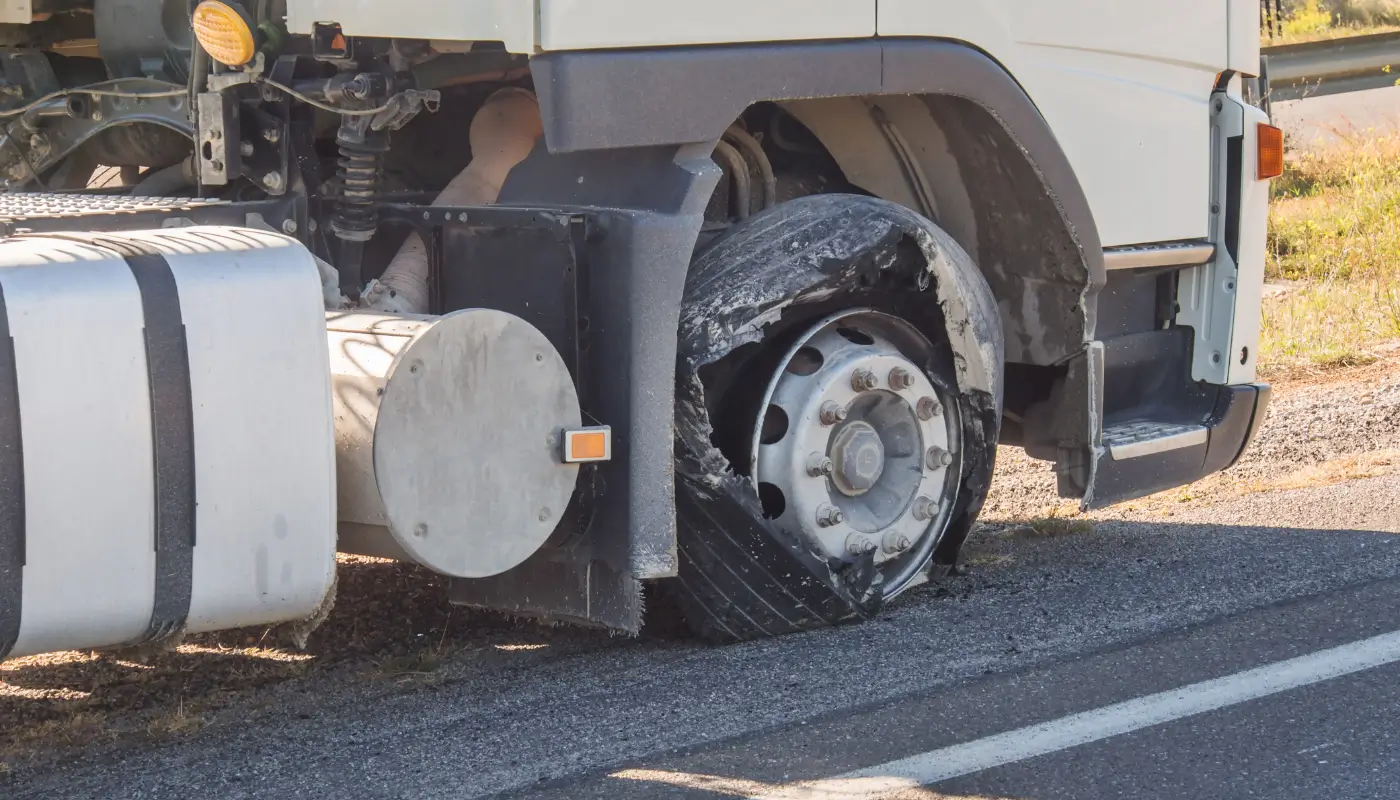
Keeping tires at the correct calibration is essential to preserving them. If a tire is softer than it should be, it will suffer damage more easily and harm vehicle performance, even increasing fuel consumption.
If it is overinflated, it becomes too hard and can even lift its sides, preventing them from contacting the ground. This is a risk because it reduces some of the vehicle’s balance and also causes greater wear in the center of the tread.
Clean tires
Driving with dirty tires can be harmful, as small bits of dirt and debris left on the tire can cause scratches, tears and premature tire loss.
Before washing the tires, confirm with suppliers which products are best for cleaning them. This lets you safely and efficiently include washing in the fleet routine.
Check the TWI frequently
Driving with tires worn past the maximum limit is extremely risky. After all, when this happens, the tire already has little or no ground grip.
In other words, you face several risks, such as hydroplaning, skidding and even a fine in Brazil for unsuitable driving conditions.
TWI measurement should therefore be a routine activity in your fleet.
In fact, tire inspection, covering both tread depth (TWI) and pressure, is the basis for tire management that really works.
How does tire care affect fleet savings?
Now that we have answered your question and concluded there is no difference between bus and truck tires, we have a new question for you:
Did you know that taking care of tires helps preserve vehicles for longer?
Since they are the only part in contact with the ground, everything that happens to them affects the vehicle itself.
If they are underinflated, they will make the vehicle “sway” more and increase the chance of wear and damage.
Besides directly affecting general maintenance costs, this also plays an important role in optimizing fuel consumption.
Lastly, retreading tires is also a way to use them for longer and save money. After all, retreading is much more affordable than buying a new tire.
How about getting to know a technological tire management system that increases your fleet’s productivity and savings? Click here!
Frequently asked questions
Can I use the same tire on a bus and a truck?
What is tire rotation for?
What happens if a tire is incorrectly inflated?
Why check the TWI frequently?
Do alignment and balancing affect retreading?
What does good tire care help save on?
// newsletter
Fleet management content, straight to your inbox
Articles on tires, maintenance and fleet operations. No spam.