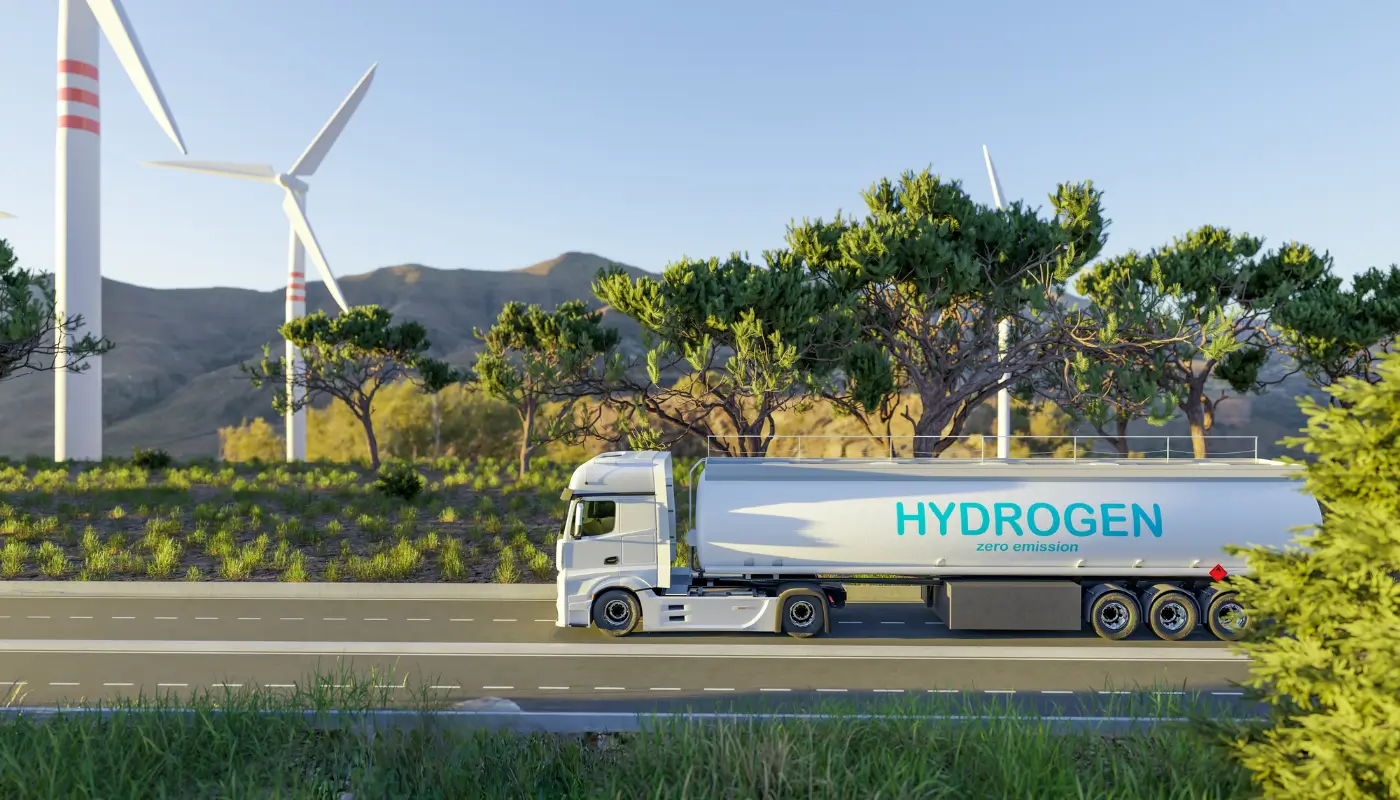
Why adopt ESG? Understand its impact on fleet management
 Jade Zart 4 min read

The impacts of ESG on fleet management go beyond the benefits generated for your company, encompassing social and environmental impacts — as ESG principles call for.
In transport, sustainability actions are essential, as it is a sector that generates many environmental impacts. However, progress in adopting sustainable practices and ESG management is still slow.
That is why many debates have been taking place on this topic, and the ESG agenda is growing significantly in fleet and transport management.
What is ESG and why is it important?
ESG is an acronym representing the words Environmental, Social and Governance. These are the three aspects considered fundamental to evaluating companies' ethical and sustainable practices.
In fleet management, ESG began as a trend, but it is already much more than that. It is becoming established as a management model, directing operations toward a more conscious and responsible way of operating.
The importance of ESG in fleets is related to building a sustainable fleet that generates minimal environmental impact, reduces transport and workplace risks, complies with traffic and environmental legislation, and improves driver control, among other actions.
In general, adopting ESG practices involves environmental, social and corporate governance, maintaining a commitment to the planet and society while also promoting an intelligent strategy for long-term success.
How do ESG strategies work in a fleet?
ESG strategies (in Portuguese) address three different aspects, so they are quite broad.
For the environmental aspect, for example, the fleet can focus on reducing harmful gas emissions by choosing less-polluting vehicles and implementing more efficient maintenance management.
(video in Portuguese)
In the social sphere, these strategies focus on responsibility toward employees and society. Providing a safe and healthy working environment is essential to fulfilling ESG's social principle.
When we address governance, ESG can be applied in the operation through transparent management strategies. Good practices include accountability and compliance with laws and regulations.
Each of these areas can be considered and planned individually. Adaptation will be constant and long-term, but the impacts of ESG will be very beneficial.
What are the impacts of ESG on fleet management?
Cost reduction
Among ESG's impacts, cost reduction is one that may surprise you. After all, implementing most ESG actions and strategies requires some initial investments. However, when adopting these practices, the economic benefits are significant in the medium and long term.
This happens because ESG practices aim to reduce waste and optimize the use of the operation's available resources. For example, maintenance care will improve vehicle fuel consumption and reduce the incidence of corrective services.
Thus, alongside efficient, proper and sustainable management, you are saving on the budget and contributing to your company's financial health.
View this post on Instagram
(video in Portuguese)
Fuel efficiency
Fuel efficiency is one of the impacts of ESG that can be obtained directly and effectively through its strategies. In addition to contributing to better use and performance of your operations, it also reduces environmental consequences, such as toxic gas emissions.
Fleet monitoring technologies allow details such as speed on a route, mileage covered and engine idle time to be controlled, contributing to an understanding of each vehicle's fuel consumption.
This information helps identify areas for improvement in your fleet.
Performing vehicle maintenance routines is also an important step in ensuring ESG's benefits and impacts. Regular, sustainable maintenance ensures that vehicles function properly and have less environmental impact.
In the social and governance aspects, good driver management, with training and incentive programs, is a way to ensure that drivers drive safely and economically, contributing to the goal of increasing fleet fuel efficiency.
Company visibility and credibility
Implementing ESG practices both drives sustainability in transport and raises the company's profile.
Large corporations increasingly value concern for the sustainability agenda, which makes your fleet more attractive and increases your opportunities for relevant partnerships and collaborations.
In addition, a responsible attitude toward the environment and society strengthens your fleet's image with customers. As consumers are also more conscious and demanding, adopting ESG principles generates a perception of a solid and reliable reputation.
Strategically, ESG's impacts on your company are associated with operational, administrative and commercial benefits.
Talent retention
Talent retention is one of ESG's impacts that addresses social responsibility. In this case, ethical values are worked on to promote a more pleasant and healthy environment for company and fleet employees.
Providing training and skills development and valuing good results are fundamental actions to ensure employee satisfaction and motivation.
This makes the company more attractive to professionals who seek to be valued in their working environment. In addition, retention of those already in the operation is higher, strengthening your team and contributing to better long-term performance.
How can you measure the impacts of ESG on your fleet?
Measuring ESG's impacts is essential for evaluating strategies' success and understanding areas for improvement. The best way to do this is through fleet data collection and analysis.
Although ESG-focused performance indicators do not yet exist, you can use the KPIs of each area where sustainable actions were implemented. Progress and improvement in efficiency, savings and safety will be good evaluators for understanding whether ESG's impacts were positive.
Want to stay informed on this topic and receive even more valuable content and tips for your fleet management? Subscribe to our newsletter. (in Portuguese)
Frequently asked questions
Is ESG in a fleet expensive? When does the investment pay off?
How can I measure whether the fleet's ESG actions are producing results?
Where does a transport company start applying ESG?
Is ESG only useful for improving the company's image?
How does ESG improve a fleet's fuel efficiency?
Does ESG help retain the team?
// newsletter
Fleet management content, straight to your inbox
Articles on tires, maintenance and fleet operations. No spam.