Fleet maintenance: which services belong in the routine
 Jade Zart 4 min read

Managing fleet maintenance services is a task that involves knowing which services are involved, how often vehicle inspections take place, who performs each activity and other details.
This is what allows vehicles to operate without faults, avoiding costly issues and operational interruptions. Services can range from routine inspections of basic vehicle components (e.g., headlight operation) to correcting issues such as broken parts and punctured tires.
In general, performing services according to a defined schedule and planning ahead brings fleet benefits such as longer vehicle durability, greater road safety and lower operating costs.
Take a look below:
- What fleet maintenance services are
- How these services affect transport operating routines
- How to control fleet maintenance services
What are fleet maintenance services?
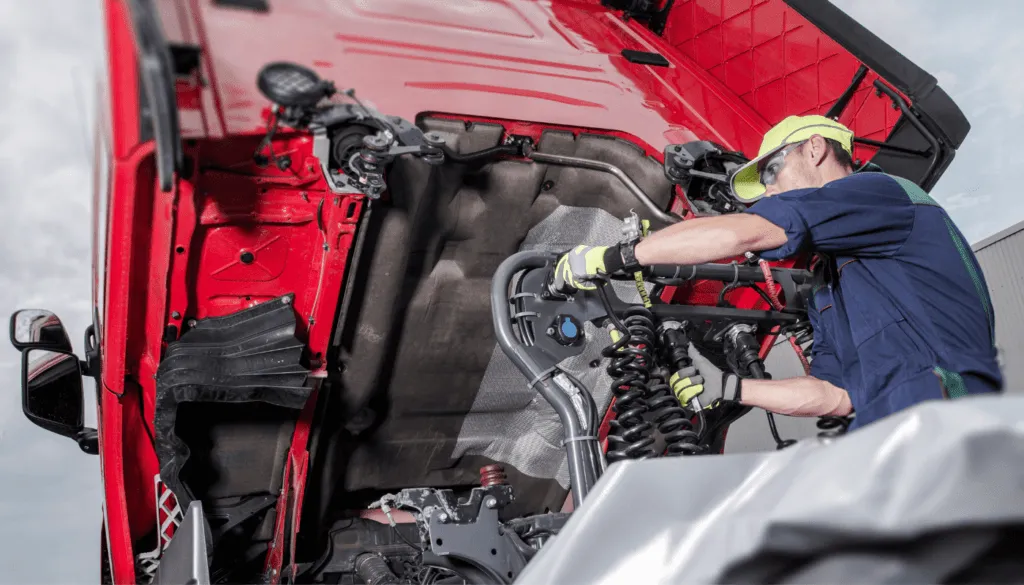
Fleet maintenance involves services intended to ensure vehicles are in ideal operating condition. They can be classified into categories such as preventive, corrective and electrical maintenance, among others.
Take a closer look at the main types of preventive fleet maintenance services:
Preventive maintenance
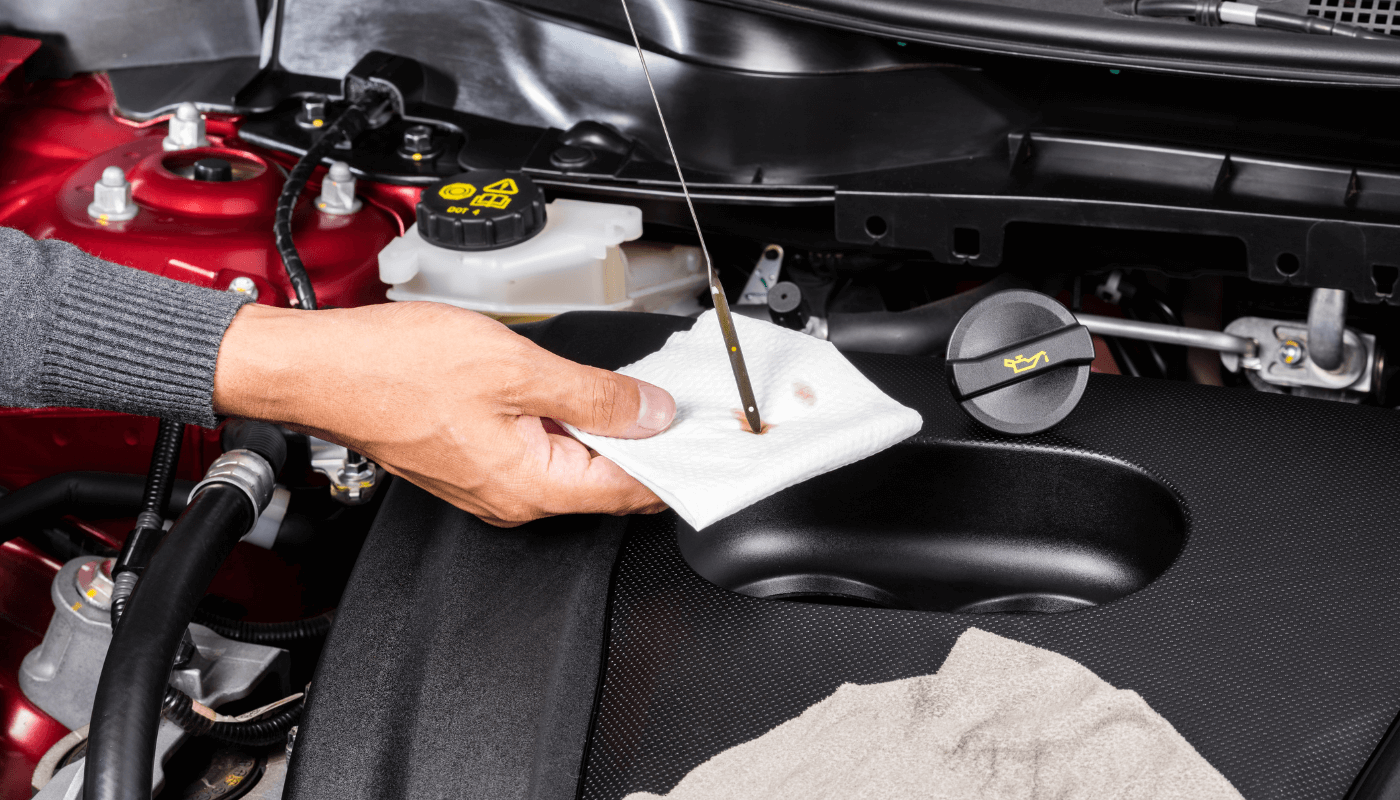
This type of maintenance is based on planned actions that help avoid unexpected faults and extend vehicles' useful life. Regular inspections and replacement of parts and fluids at predetermined intervals are carried out for this purpose.
The main preventive maintenance services include:
- Oil and filter changes
- Brake checks and replacement
- Alignment and balancing
- Cooling system servicing
- Suspension and steering system inspection
Corrective maintenance
Corrective maintenance is performed after an issue or fault is identified. It can be scheduled after an issue is identified during a preventive inspection, or unplanned, when an issue arises from accidents or simply neglected care.
Some examples include:
- Engine and transmission repairs
- Replacement of damaged components, such as radiators, alternators, etc.
- Emergency repairs
Electrical maintenance
An electrical maintenance service focuses on checking and repairing vehicle electrical components, including:
- Battery and alternator checks
- Lighting system inspection
- Electronic system repairs
General maintenance and upkeep services
Besides the types of maintenance described above, it is important for vehicles to undergo a care routine that maintains good appearance and functional condition. For example, cleaning and sanitizing, and applying products to protect the vehicle's paint.
How do these services affect transport operating routines?
Operational efficiency
The goal of preventive and corrective maintenance is to ensure vehicles are always in ideal working condition.
Regular oil changes, brake checks and alignment, for example, ensure the vehicle does not suffer from part wear and the driver completes the journey more safely.
This way, cargo vehicles operate efficiently, avoiding unexpected stops and ensuring greater uptime.
In addition, preventive maintenance also helps identify issues before they become serious, allowing better operational planning and avoiding interruptions that can delay deliveries and affect customer satisfaction.
Operational safety
Maintenance is fundamental to checking that vehicle safety features work properly, from brakes to headlights and warning signs.
Performing these checks reduces the risk of accidents caused by mechanical faults, just as failing to inspect tires, for example, can lead to high-speed blowouts and cause serious incidents en route.
Therefore, ensuring an efficient routine for fleet maintenance services is fundamental to preventing material and nonmaterial harm to the company.
Increased customer satisfaction
A well-maintained fleet can meet delivery deadlines more reliably, because reducing mechanical faults and unexpected stops ensures on-time deliveries.
Thus, fleet management can maintain customer trust and strengthen the company's reputation.
Cost reduction
Managing fleet maintenance services affects not only maintenance costs but the costs of the operation as a whole.
A simple correction made during a routine inspection can prevent a serious mechanical fault that would result in high repair costs and lengthy vehicle downtime.
This also reduces the need for backup vehicles, lowering the fleet's total cost of ownership.
How can you control fleet maintenance services?
To ensure maintenance services are performed correctly, some strategies include using maintenance checklists, a system dedicated to the department and performance indicators suited to the area.
For example, investing in maintenance management software allows you to organize plans by vehicle type, open work orders by mileage or date, record costs and keep reports and charts updated from routine records. Thus, technology supports preventive maintenance control and repair history without relying on scattered spreadsheets or fragmented manual oversight.
Keeping track of performance indicators, such as cost per kilometer (CPK), fault rate and mean time between failures (MTBF), provides the insight needed to identify improvements in your fleet's operational processes — and this is also made easier by a system that automates reports and analysis dashboards.
Other important practices include implementing checklists for each inspection, ensuring all vehicle aspects are checked consistently, as well as continuous training for drivers and mechanics.
Regular analysis of collected data and adjustments to fleet maintenance strategies ensure the fleet operates safely, efficiently and economically.
To better understand how to implement maintenance management in your fleet, download our free guide. Learn best practices and strategies for free (in Portuguese).
Frequently asked questions
What are preventive fleet maintenance services?
What is the difference between preventive and corrective maintenance in a fleet?
How do maintenance services affect transport operations?
How can you control fleet maintenance services?
Are cleaning and upkeep part of fleet maintenance?
// newsletter
Fleet management content, straight to your inbox
Articles on tires, maintenance and fleet operations. No spam.