How does fleet management affect urban mobility?
 Jade Zart 5 min read
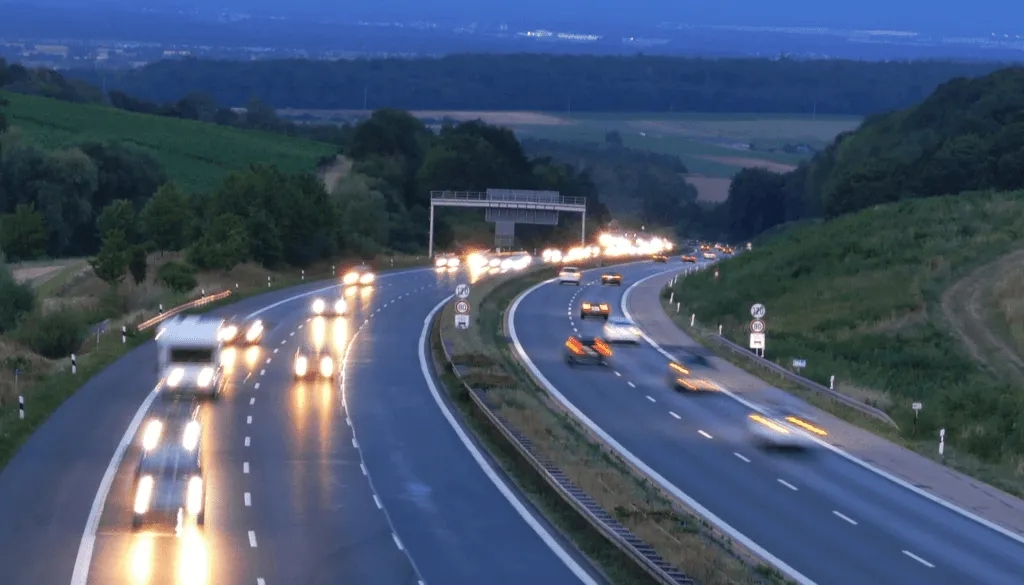
Urban mobility is widely discussed today, a trending topic because of the move toward sustainability in transport. But mobility in fleet management is something that is still being explored.
There are many questions about how fleet management can contribute more to environmental protection and what role managers should play so their companies can implement a more sustainable strategy.
In general, changes are needed in the way fleet vehicles are planned for, acquired and used. To understand more, see:
- The impact of fleet management on urban mobility;
- How to include mobility in fleet management;
- What to consider when planning mobility in fleet management.
What is the impact of fleet management on urban mobility?
Vehicle fleets, especially heavy ones, have a high impact on both mobility and sustainability.
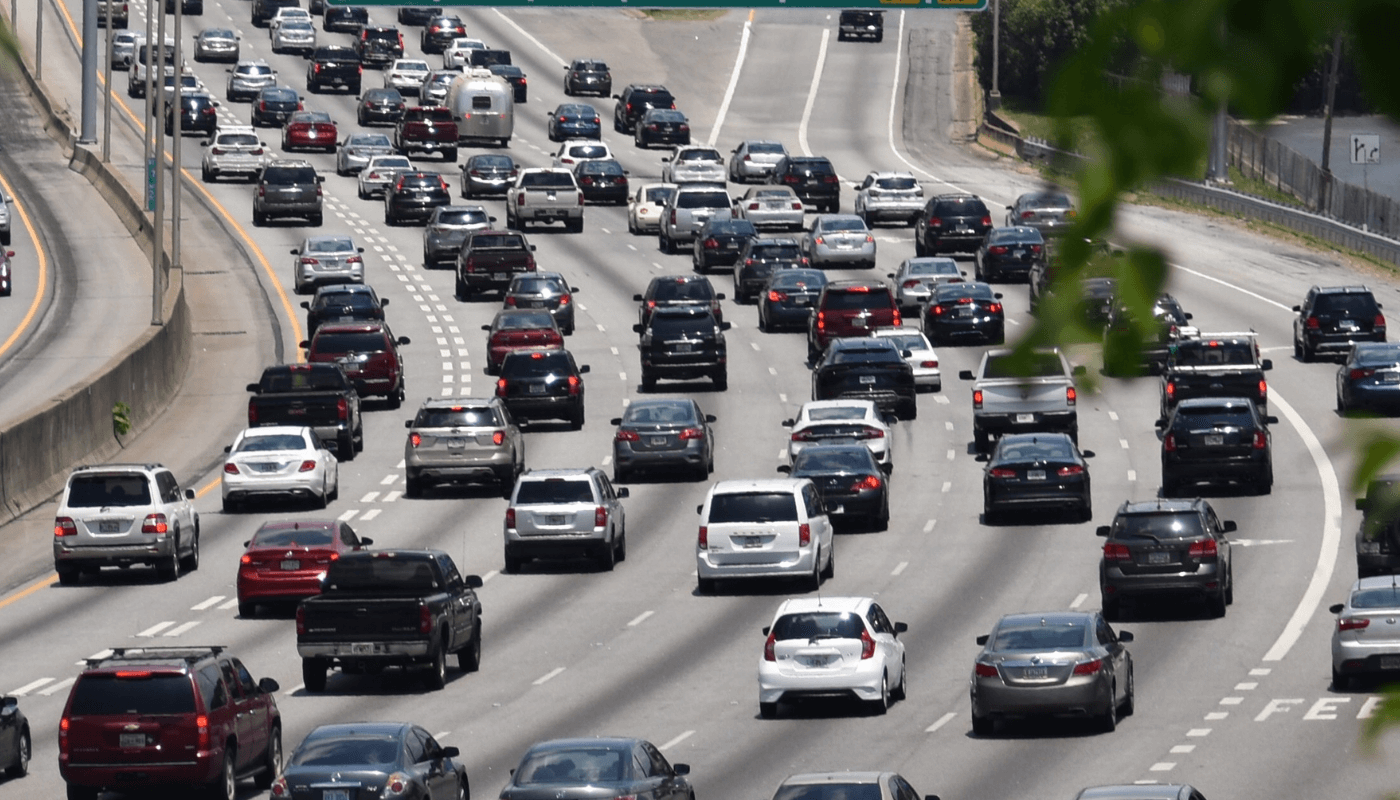
Among the main factors affecting urban mobility are vehicle size and the speed at which vehicles can travel. In addition, excessive fuel burning results in pollution, emitting gases harmful to society and affecting sustainability.
These consequences are reflected in a gradual increase in disease, as well as causing droughts, fires and, in more severe cases, the extinction of some animal species.
Transport as a whole plays a significant role in sustainability, since all vehicles emit polluting gases into the atmosphere. So, when we discuss the future of mobility, many ideas involve producing more efficient vehicles.
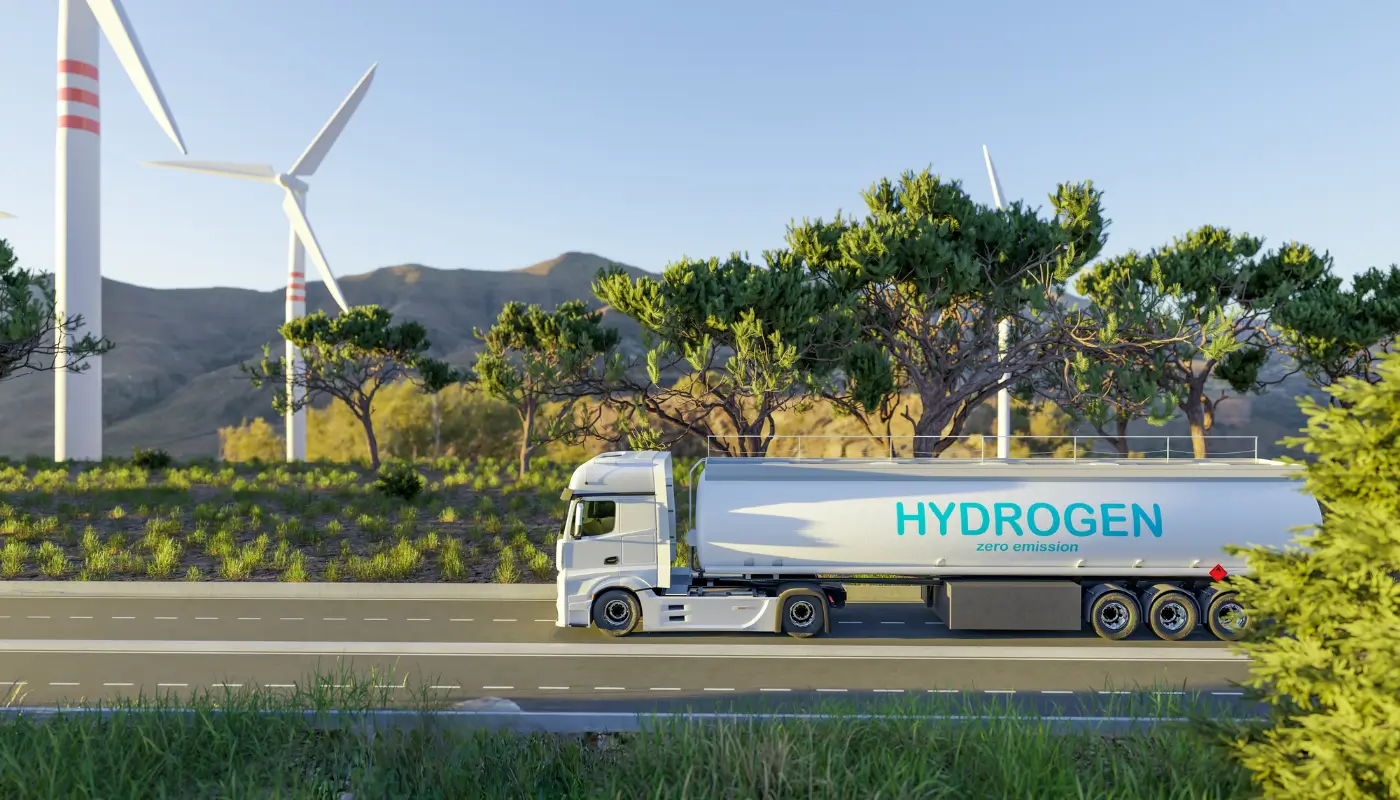
In recent years, several preventive measures have already been adopted. These include developing modern, less polluting cars. The same applies to trucks and buses, which play a larger role in environmental damage.
These newer models are built with the aim of reducing gas emissions, using fuel more efficiently and even using alternative forms of energy, as is the case with electric vehicles.
How can mobility be included in fleet management?
Urban mobility is defined by people's access to movement within an urban area. Every type of transport is therefore directly tied to mobility, from walking to using public or private transport.
To include mobility in fleet management, you should consider that long-term actions and measures are needed. Sustainability comes from a culture, not just isolated actions.
That is why the best thing you can do is plan ahead for promoting sustainable transport and contributing to better urban mobility through your fleet management.
What should mobility planning in fleet management include?
When considering fleet management from the perspective of urban mobility, you need to consider different aspects, such as the types of vehicles used, the date of the last fleet renewal, fleet route planning technologies and strategies, among others.
See more details:
Fleet vehicle renewal
Especially for vehicles that have already spent 4 or more years on the road, renewal is a way to acquire more modern and economical models. For a strategic renewal that avoids above-average spending, you should also assess each fleet vehicle's maintenance expenses.
Those whose maintenance expenses exceed a quarter of the investment in their initial purchase have already reached their utilization limit, making it more economical to buy a new vehicle than to continue with constant maintenance services.
To make these assessments and understand which vehicles should be taken off their routes, one action is needed, and it also contributes to mobility in fleet management:
Preventive maintenance practices
In the fleet's prevention routine, vehicles undergo daily inspections, with problems identified before they spread. This lowers the cost of services and helps vehicles run in ideal conditions for longer.
This is because allowing vehicles to run without these types of services leads to larger failures and breakdowns.
At those times, complete replacement of parts and components is necessary and, in many cases, parts that are not factory originals are used — something that can contribute to a reduction in the vehicle's useful life.
In addition, performing preventive maintenance means creating a process for keeping track of conditions that also generates the data and history a manager needs to analyze and make decisions with more positive effects on the operation, both in the fleet's functioning itself and in measures affecting urban mobility. This is also part of what is now called “sustainable maintenance.”
Route control and optimization
The importance of fleet management in urban mobility lies in recognizing ways to travel within the city without disrupting its natural daily flow.
This is why we can say that one way to contribute to mobility in fleet management is to better plan the routes used by the operation's vehicles.
For example, instead of having a truck take very busy urban roads and disrupt traffic, it can take an alternative route, bringing two benefits:
- Less impact on the city's daily transport.
- A faster route with less urban traffic.
Besides optimizing routes to create more efficient journeys, it is also useful to have a way to compare the planned route with the actual route. Technologies such as telematics and fleet monitoring are alternatives you should consider implementing in your management.
Work toward an ESG strategy in your fleet
“ESG” is a term representing the trend of sustainability in fleets; its letters summarize the major areas we should consider when implementing sustainable measures in a company: Environmental, Social and Governance.
In each pillar, different practices can be carried out to meet pollution reduction standards. Mobility in fleet management can be part of all three, but especially the environmental area.
Actions to make an ESG strategy (in Portuguese) work include implementing different fleet controls, such as:
- Vehicle refueling and fuel consumption;
- Maintenance and services performed;
- Tires and their proper disposal;
- Reducing emissions of gases such as carbon dioxide.
With a view to having a company that reduces negative impacts on urban mobility, you can learn all about planning and carrying out your fleet management in our free e-book: Fleet Management Guide (in Portuguese).
Frequently asked questions
How can a transport company reduce the impact of trucks on city traffic?
When is replacing a vehicle better than continuing to repair it?
What is urban mobility and what does it have to do with fleet managers?
Where does an ESG strategy in a transport operation begin?
Does preventive maintenance have an environmental effect or is it just about savings?
// newsletter
Fleet management content, straight to your inbox
Articles on tires, maintenance and fleet operations. No spam.