Route optimization: methods and how to apply it to a fleet
 Jade Zart 4 min read

Knowing how to optimize a route is an important skill for anyone managing a fleet.
Route optimization goes beyond choosing the path with the fewest kilometers. Its purpose is to seek greater efficiency and savings on distribution trips and in long-distance transportation.
By selecting more efficient routes, the operation can reduce fuel costs, vehicle and tire wear and unnecessary tolls. More efficient routes can also shorten delivery deadlines and increase transportation productivity, which contributes to reducing costs.
This knowledge also helps assess the support offered by routing tools, including those that use artificial intelligence to refine the process and simplify decision-making. Adopting these technologies can change how fleets operate, with efficiency and savings at the center of management.
Learn more below:
- The importance of knowing how to optimize transportation routes
- What routing methods are there
- How to optimize a route
- How route optimization with artificial intelligence works
Why is it important to know how to optimize a transportation route?
Optimizing a route aims for greater efficiency and savings on distribution trips and in long-distance transportation. The focus is not only on mileage, but also on the route's effects on the operation.
Route selection can avoid common obstacles such as speed bumps, traffic lights and congestion. This can improve fuel consumption efficiency and reduce operating costs.
A more efficient route choice can also reduce unnecessary braking and acceleration, helping prevent premature vehicle and tire wear.
Route optimization can also contribute to service quality and customer satisfaction by preventing delivery delays and unwanted detours. Shorter deadlines can also favor productivity in transportation operations.
What routing methods are there?
Routing can be static or dynamic. In static routing, the company sets up a fixed route that does not change during the trip. In dynamic routing, the route can be updated while the trip is in progress.
Specialized systems can support routing. Methods presented for this process include:
- Traveling salesman: seeks the shortest possible route that visits each location once and returns to the starting point, and is intended for short routes with multiple destinations.
- Sweep: starts from a central point and sweeps around it, grouping deliveries or pickups by geographical proximity. It can be useful in geographically concentrated areas.
- Clarke and Wright: calculates the possible savings from combining initially separate routes, aiming to reduce the total distance traveled through that combination.
How do you optimize a route?
You need to consider the type of cargo
The type of cargo influences planning because different cargo may require specific conditions or routes. This characteristic therefore needs to be considered when optimizing the route.
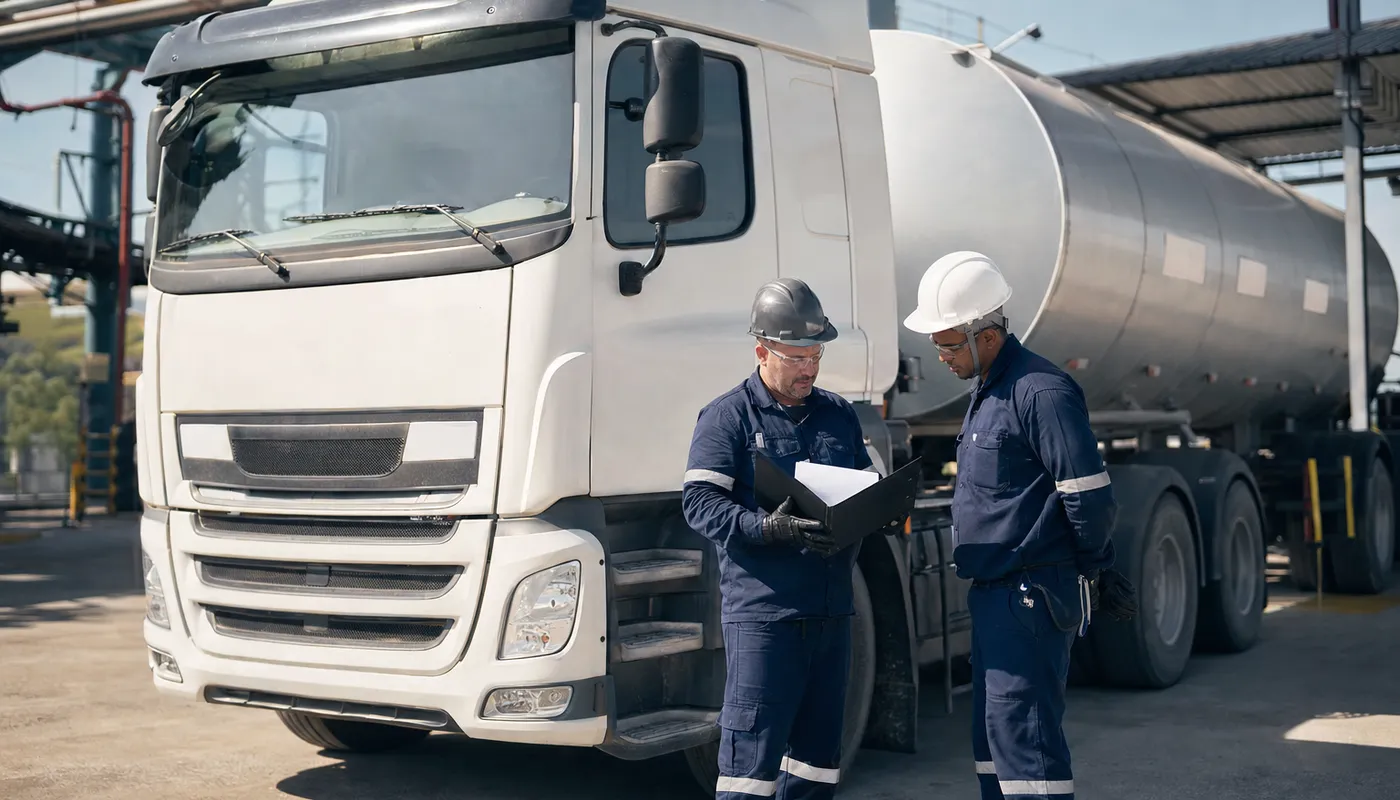
Hazardous cargo, for example, may be subject to route restrictions under safety regulations. Perishable products may require faster routes with less congestion and less heat exposure. Considering these particularities is part of optimization.
Also take the vehicle type into account
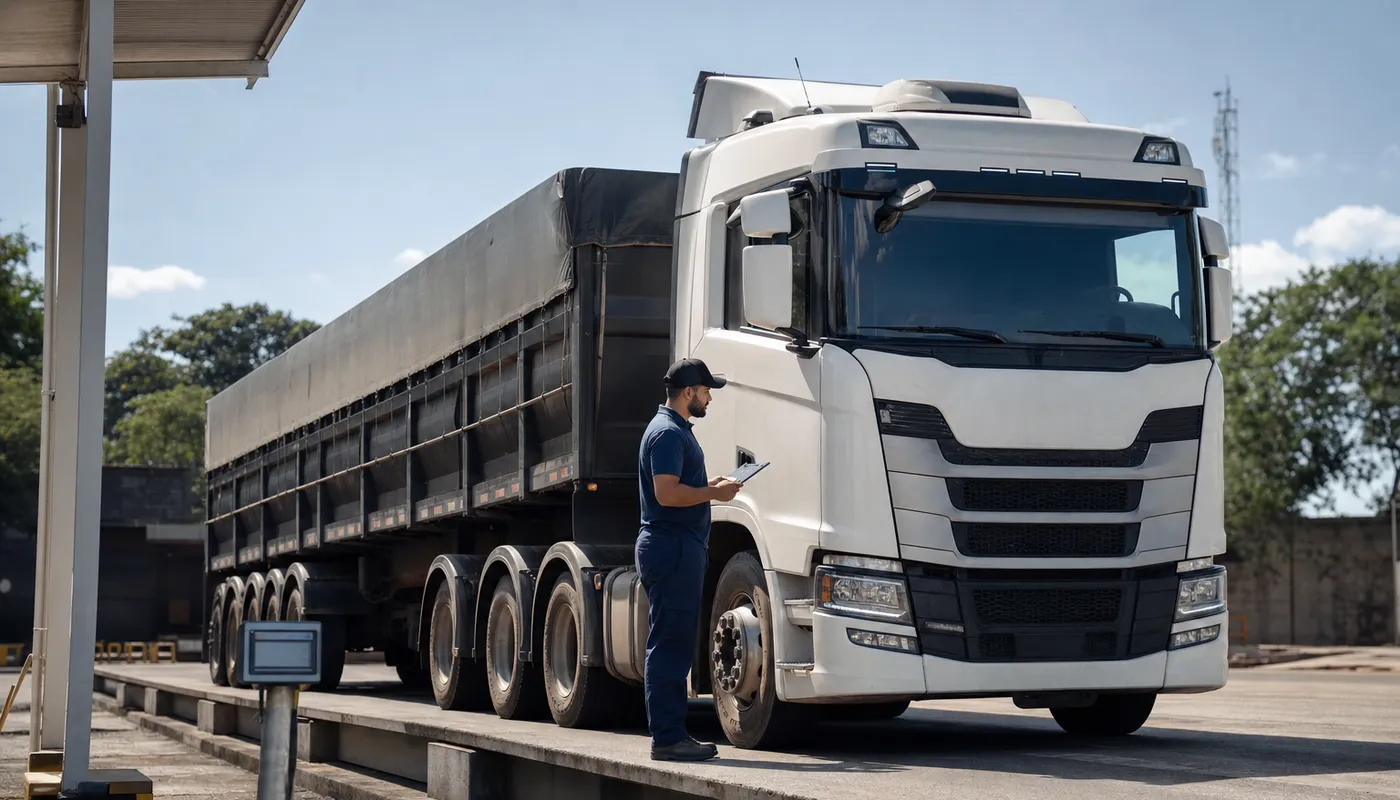
The vehicle also matters. Larger trucks or those with special requirements, such as refrigerated trucks, may have limited access to certain roads or specific maintenance stop requirements.
Planning should therefore consider the size, capacity and maintenance requirements of each vehicle type. Understanding these particularities can prevent logistical issues and optimize delivery time.
Keep track of performance indicators
Delivery time, fuel consumption, maintenance costs and customer satisfaction are metrics that can be monitored to understand variations in route performance. These indicators bring together information relevant to the analysis.
Better results can indicate that routes are meeting efficiency, safety and savings requirements.
When results are poor or below average, it is necessary to investigate which routes had issues, understand how the situation can be resolved and seek to prevent it from happening again in the operation.
Use routing technologies
Routing technologies, especially those incorporating artificial intelligence and machine learning, can support planning and optimization.
These tools can analyze large volumes of data and consider variables affecting route quality, such as traffic, weather conditions, schedules and safety.
By processing more information in less time than manual work, technology can support both route optimization and the manager's time management and routine.
How does route optimization with artificial intelligence work?
In addition to manual planning, intelligent systems can be used to support route optimization. Artificial intelligence is one of the possibilities available in this process.
These technologies can employ machine learning and use information entered over time to refine the results they deliver.
Features that may be available in routing solutions include:
- using historical data and traffic patterns to predict routes and travel times;
- adjusting routes in response to unexpected events, such as congestion or accidents, searching for alternatives in real time;
- considering roads permitted by transportation regulations;
- considering company or customer preferences and delivery restrictions to improve the delivery experience and efficiency.
Want to discover other ways artificial intelligence can support your fleet management? Subscribe to our newsletter and receive our content (in Portuguese).
Frequently asked questions
What is route optimization in transportation?
What is the difference between static and dynamic routing?
What routing methods are there?
How do the cargo and vehicle affect the route?
How does artificial intelligence help optimize routes?
// newsletter
Fleet management content, straight to your inbox
Articles on tires, maintenance and fleet operations. No spam.