Truck weight control in the fleet
 Prolog 5 min read
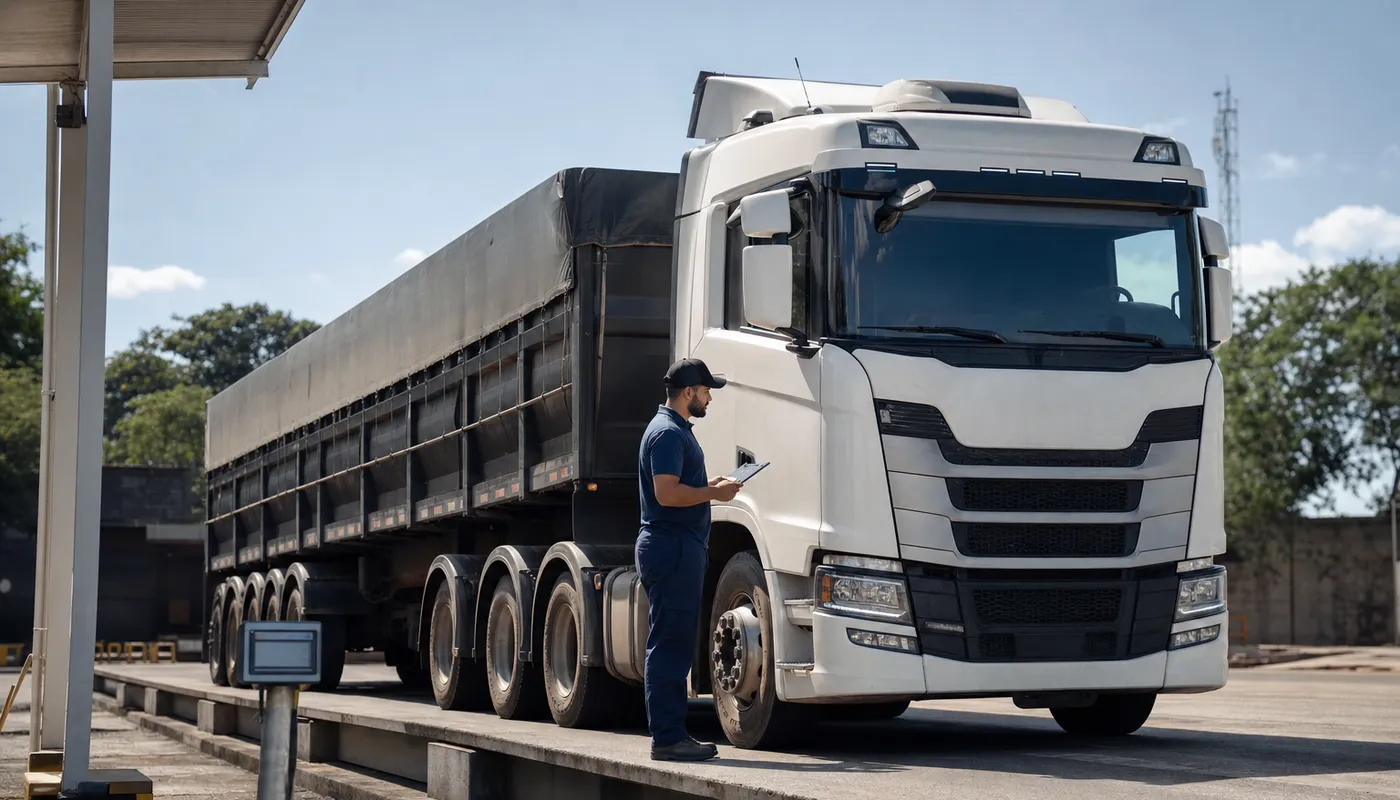
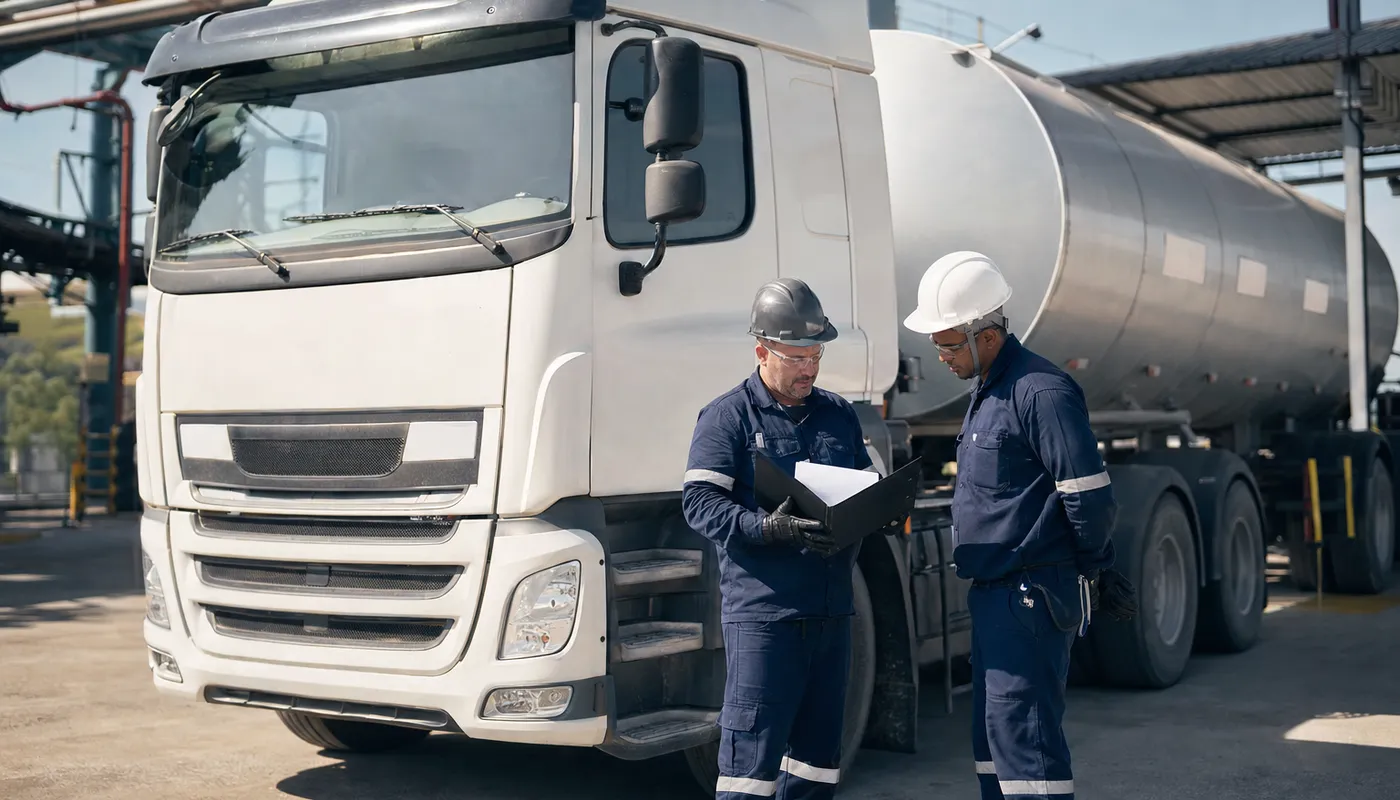
For fleet managers, truck weight control is a routine that needs to happen before the trip, alongside weighing, documentation, load distribution and vehicle checks. Without addressing these points in the same process, the operation risks seeing weight as merely an isolated loading figure.
The topic also extends beyond the yard. Brazil's Traffic Code states that safe traffic conditions are everyone's right. DNIT's National Weighing Program — run by Brazil's National Department of Transport Infrastructure — states that it enforces vehicle weight rules and links this work to road infrastructure integrity and traffic safety on paved federal highways under its jurisdiction.
Truck weight control starts with the process
The manager's first decision is to make weighing part of a process rather than a stand-alone check. This means defining when the load is weighed, which document accompanies the operation, which vehicle will be used and who records the decision before departure.
This organization also needs to connect with truck checks. Brazil's Traffic Code establishes that, before putting a vehicle into use on public roads, the driver must check that equipment is present and in good working condition. The weight control routine does not replace this check; it should sit alongside it, because both happen before driving.
A practical way to begin is to work with simple questions: has the load undergone the weighing planned by the company? Does the available documentation match the operation? Has the vehicle been identified? Has the equipment check been recorded by the person responsible? These questions do not create a new legal rule; they help place weight, documents and the vehicle within a work sequence.
Weighing, documents and load distribution
Weighing, documentation and load distribution need to be seen as parts of the same operational routine. Weighing records the weight; documentation provides context for the operation; load distribution guides the internal check performed by the team before release.
DNIT states that Brazil's National Weighing Program provides vehicle weight enforcement services by operating static and dynamic weighing systems. The same page states that the program increases enforcement effectiveness and the reach of overweight control actions on highways.
For the fleet, this justifies addressing the subject with simple, consistent records. The process can identify the vehicle, load, document, person responsible for the check and decision taken when there is a discrepancy. The important thing here is not to promise that internal organization eliminates enforcement or prevents a citation; what it does is provide a method for trip preparation.
It is also worth distinguishing the departure check from subsequent follow-through. The departure check looks at weight, documents, the vehicle and equipment before driving. Subsequent follow-through brings together points that need to return to the workshop, load management or procedure review.
Safety and enforcement belong in the same discussion
Truck weight control needs to consider that road safety and public enforcement share the same context. In Brazil, the Traffic Code (CTB) establishes traffic safety as everyone's right, while DNIT presents weighing as part of a program focused on road infrastructure and traffic safety on federal highways under its jurisdiction.
This relationship does not justify creating shortcuts or promising a specific result without a source. Managers should avoid phrases such as “control eliminates risk” or “the routine reduces fines” when there is no documentary basis for them. A more reliable approach is to say that the routine organizes trip preparation and brings weighing, documents and vehicle checks together.
In practice, control can work as a short list of decisions before release: confirm weighing according to the adopted process, check documentation, observe load distribution, record the vehicle check and separate outstanding issues that require action before departure. The focus is to make the process clear without replacing the technical and legal assessment applicable to each operation.
Weight, maintenance and the fleet's total cost
Weight control should also connect with fleet cost analysis. IBM states that the two main types of cost that can appear in a total cost of ownership calculation are direct and indirect costs.
In fleets, this idea helps managers look beyond the immediate trip cost. Among the components that can enter total cost of ownership, IBM lists initial cost, installation, operating cost, maintenance, downtime and end-of-life value. Maintenance, operation and downtime can thus be analyzed within the same asset management framework.
The practical decision is to keep weighing close to the maintenance and inspection routine, rather than treating each topic as a separate control. When a company separates weight, the vehicle, outstanding workshop issues and cost into disconnected controls, the management view tends to become fragmented.
Tires in the preventive routine
Tires deserve attention because they are part of the vehicle's condition before driving. FuelEconomy.gov states that correctly inflated tires are safer and last longer. The same source states that low-pressure tires can reduce fuel economy by about 0.2% for every 1 psi drop.
This data does not mean that calibration alone solves the fleet's operating cost. It shows that a basic tire check is related to safety, durability and consumption. Tires can therefore be included in the routine alongside weighing, documentation and equipment checks.
The manager can define a minimum record for this point: observed condition, person responsible for the check, date and decision taken when there is an outstanding issue. This record does not need to become extensive bureaucracy; it needs to be clear enough to distinguish what allows the operation to continue from what requires maintenance.
How to build a streamlined routine
A truck weight control routine needs to be short, repeatable and compatible with the operation. The simplest approach is to define a few mandatory points before the trip and maintain the same checking order.
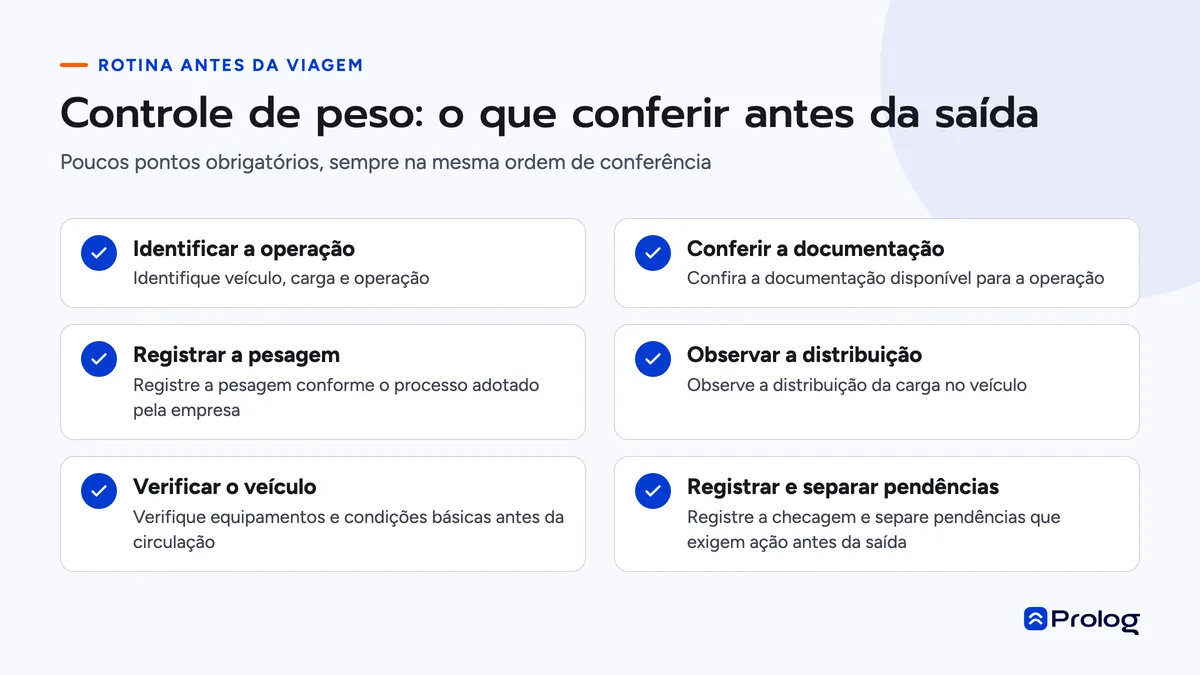
A basic workflow can include:
- identify the vehicle, load and operation;
- check available documentation;
- record weighing according to the process adopted by the company;
- observe load distribution in the vehicle;
- check equipment and basic conditions before driving;
- record the person responsible, date and decision taken;
- separate outstanding issues that require maintenance or process review.
This workflow creates no obligation beyond what the operation already needs to decide to release a trip. It organizes management around traffic safety, equipment checks before driving, vehicle weight enforcement, tires and total cost of ownership.
The next step is to review how the fleet releases a trip today. If weighing, documents, load distribution and preventive maintenance appear in different places, choose a few mandatory records and keep the routine stable. Truck weight control becomes more useful when it stops being an isolated check and becomes part of the operation's daily preparation.
Frequently asked questions
What is truck weight control?
Why is truck weight control important?
How does weight enforcement affect the operation?
Are tires part of truck weight control?
How does total cost of ownership relate to the fleet?
// newsletter
Fleet management content, straight to your inbox
Articles on tires, maintenance and fleet operations. No spam.