IoT in the supply chain: what it is, how it works, uses
 Luiz Felipe 5 min read
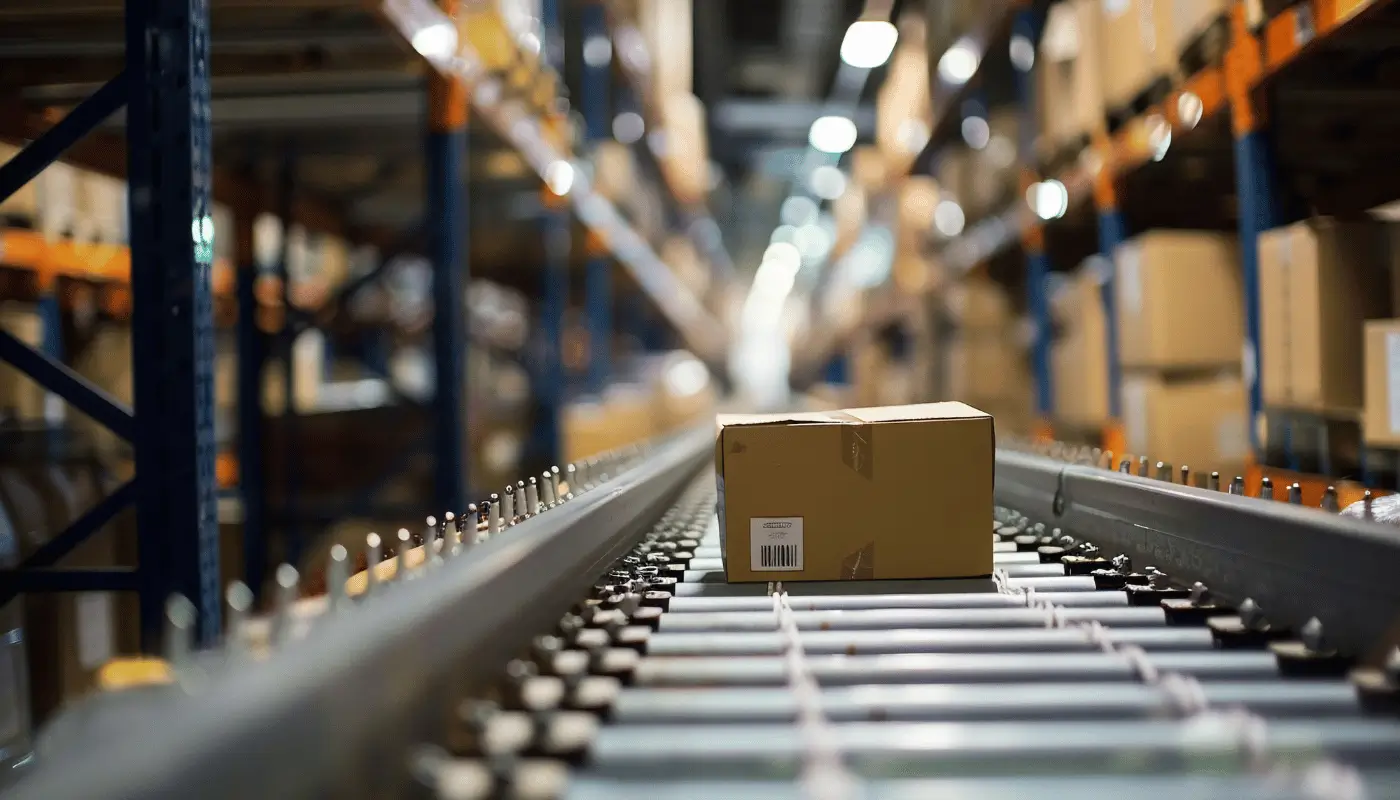
IoT in the supply chain has the ability to connect physical devices and collect data in real time, providing greater visibility and increasing efficiency at every operational stage.
From tracking goods to predictive vehicle maintenance, IoT offers countless applications that help companies optimize their operations and reduce costs.
Read on:
- What IoT is
- What IoT in the supply chain is for
- How the internet of things works in the supply chain
- Applications of IoT in the supply chain
- Implementing IoT in your transport management
What is IoT?
The Internet of Things, known as IoT (Internet of Things), is a concept that refers to the interconnection of physical devices over the internet, allowing them to communicate with each other and collect and share data among themselves.
In practice, IoT involves the use of sensors and technologies integrated into the items that will be connected, and systems and software that capture the information about each of these items.
What is IoT in the supply chain for?
IoT in the supply chain serves to improve the efficiency, visibility and control of every stage of the supply chain. It makes possible, for example, the continuous tracking of goods from origin to final destination
With IoT, it is also possible to monitor inventory levels in real time, making restocking easier and avoiding shortages or excess products.
In addition, IoT sensors installed in transport vehicles can predict failures before they happen, allowing preventive maintenance to be carried out and reducing downtime.
What's more, with internet of things technology, multiple data points are collected and can be used in different analyses of productivity, operational efficiency and logistics, among other possibilities.
How does the internet of things work in the supply chain?
In the supply chain, the internet of things works through the connection of physical devices that collect data and transmit it in real time to other devices, tools and software.
IoT sensors are installed in transport vehicles, warehouses, production equipment and even in the goods themselves. This way, they collect data on location, temperature, humidity, inventory level and equipment condition, among other relevant aspects.
The data collected by these sensors is transmitted in real time over communication networks, such as Wi-Fi, Bluetooth, RFID or mobile networks (3G, 4G, 5G). And the continuous transmission of data allows monitoring and the immediate identification of any anomaly or deviation in the process.
Since this data is sent to a management system, the system itself takes on the role of processing and storing the information received, also automatically creating dashboards and reports that show all the connected information, and it calculates related performance indicators.
Applications of IoT in the supply chain
Tracking of goods
One of the most common applications of IoT in the supply chain is real-time tracking of goods.
Sensors and tracking devices are installed on containers, pallets or individual products, allowing managers to monitor the location and status of the goods throughout the entire transport process.
This helps prevent losses, theft and delays, in addition to ensuring on-time delivery.
Inventory management
IoT makes inventory management easier by providing accurate, real-time data on inventory levels.
Sensors installed on shelves and in warehouses can detect the quantity of products available, automating restocking and avoiding both shortages and excess inventory.
This way, it optimizes inventory management and reduces the costs associated with storage.
Predictive maintenance
Transport equipment and vehicles equipped with IoT sensors can be monitored continuously to detect signs of wear or potential failures.
This allows preventive maintenance to be carried out before breakdowns occur, reducing downtime and repair costs.
Route optimization
IoT can be used to optimize transport routes by analyzing real-time data on traffic, weather conditions and other factors that affect delivery.
This way, companies adjust their routes to minimize delays and fuel costs, improving logistics efficiency as a whole.
Data analysis
Analyzing the large amount of data generated by IoT devices and sensors in the supply chain can help identify patterns, forecast demand and optimize processes, making the supply chain more agile and responsive.
Artificial intelligence and machine learning tools can be integrated to further improve analysis and the forecasting of trends.
Implementing IoT in your transport management
Assessing needs and goals
The first step in implementing IoT in transport management is to assess your operation's specific needs and set clear goals.
Identify the challenges your company faces, such as vehicle tracking, predictive maintenance, route optimization or reducing operating costs.
Setting specific goals, such as improving fuel efficiency by 10% or reducing vehicle downtime, will help guide the implementation process and measure the success of the IoT initiatives.
Choosing IoT devices and sensors
With the goals set, it is time to select the right IoT devices and sensors for your fleet. This may include tracking sensors, temperature and humidity sensors, fuel consumption monitors and vehicle diagnostic sensors.
It is essential to choose devices that are compatible with your current vehicles and systems, as well as making sure they are reliable enough to withstand operating conditions.
Integration with management systems
The data collected by IoT devices must be integrated into the transport management systems and other software used in the operation.
This integration allows data to be centralized, making analysis and real-time monitoring easier. That is why it is important to use management platforms that support IoT integration and offer data analysis features.
Training and upskilling
Successful IoT implementation requires the team to be well trained and qualified to use the new technologies. Offer comprehensive training on using the IoT devices, interpreting the data collected and using the management platforms.
Upskilling the team ensures that everyone is aligned with the new processes and can maximize the benefits of IoT technologies.
Analyzing results and making adjustments
After the initial implementation, it is essential to continuously monitor the devices' performance and analyze the data collected to identify areas for improvement, making adjustments to the settings as needed.
IoT implementation is an ongoing process that requires regular adjustments and optimizations to ensure the goals are achieved.
Carrying out these analyses of results regularly helps identify successes and challenges, allowing strategic adjustments that improve the efficiency and performance of transport management.
Keep learning and staying up to date on the latest trends and innovations in transport and supply chain management. Subscribe to our free newsletter (in Portuguese).
Frequently asked questions
What is IoT in the supply chain?
What is IoT in the supply chain for?
How does the internet of things work in the supply chain?
What are the applications of IoT in the supply chain?
How do you implement IoT in transport management?
// newsletter
Fleet management content, straight to your inbox
Articles on tires, maintenance and fleet operations. No spam.