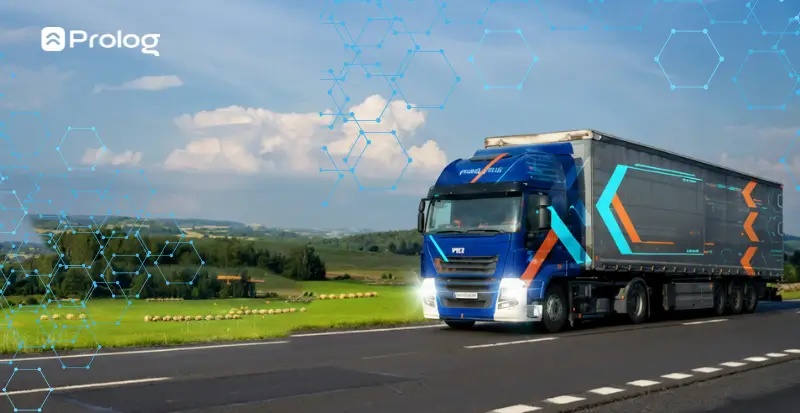
Fleet management with logistics 4.0
 Luiz Felipe 3 min read
What is logistics 4.0? What does it mean? Why is it important? Learn the history behind this concept and how it applies to fleet management.
The term “4.0” defines a new era for logistics, one that is more modern, digital and data-driven. As products, systems and automation methods have advanced, investment in logistics has also begun to target processes that are less manual and more integrated.
Today, there are already various transport solutions, and the concept of “logistics 4.0” represents the adaptation transport companies are making to make their processes more agile and efficient, with better cost control and more information for decisions.
Logistics 4.0: where does the term come from?
We can look back at the industrial revolution to understand the answer to this question. Germany's Klaus Schwab discusses the Fourth Industrial Revolution, or Industry 4.0, in which technology is one of the major drivers of change.
The three previous industrial revolutions had their milestones: the discovery and widespread use of electricity, assembly-line production and the emergence of information technology.
The fourth revolution builds on previously incorporated technology to break paradigms through process automation. In other words, it combines machines and tools with technology and digital processes. In an industrial context, this approach involves connecting machines, sensors, software and people, as well as using automation, cloud computing and data analysis as part of the technological ecosystem.
Why is logistics 4.0 important?
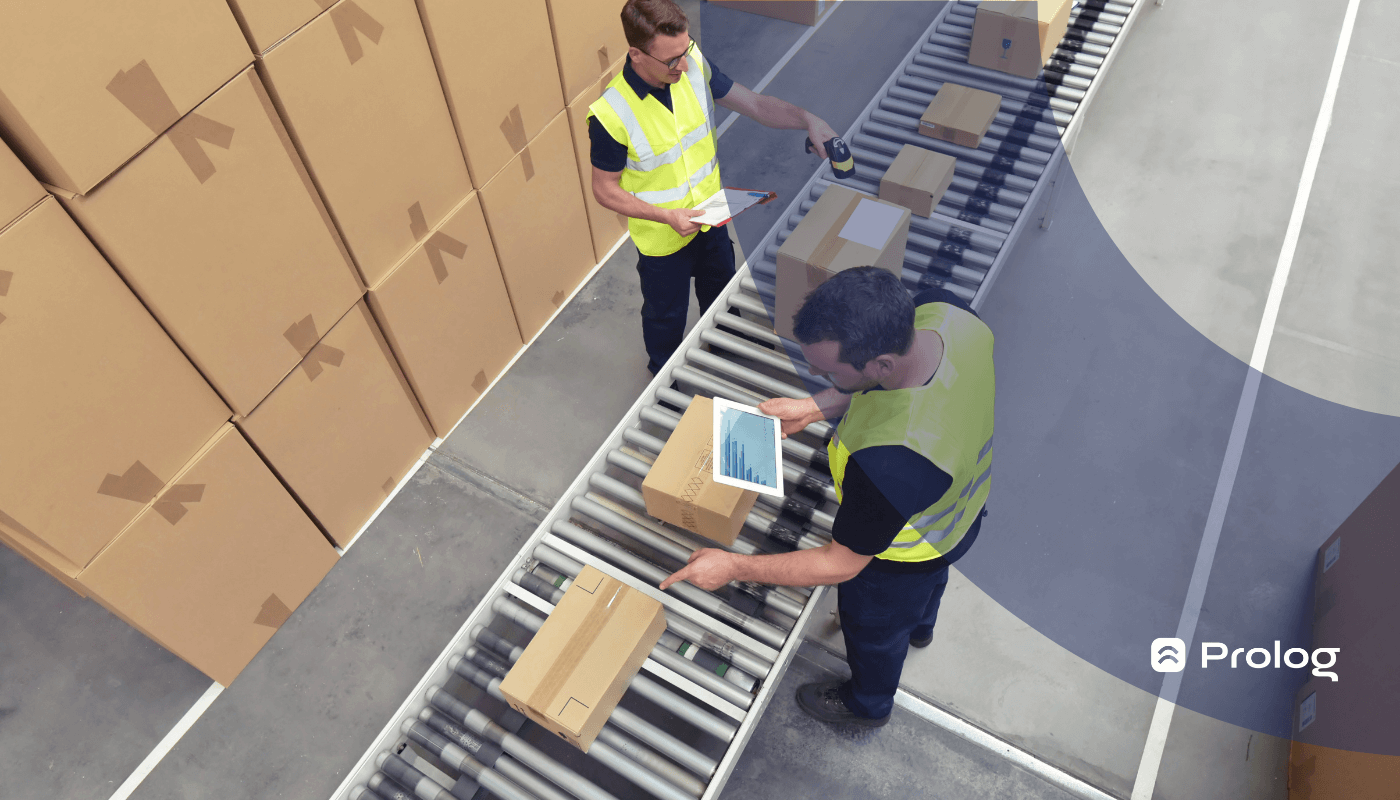
It aims to optimize the distribution chain. Thus, all the processes involved, from storage to dispatch and transport, are affected by the new technologies developed over the years.
The main objective and expected effect of applying these innovations are agility and productivity, with less manual work. There are also efficiency gains, which reduce the time spent on each task and lower operating costs. Basic automation, for example, is used to digitize, simplify and centralize manual tasks.
The need for change goes beyond using technology. Before that, the cultural barriers and resistance to change within the operation need to be addressed.
Managers and employees first need to be able to recognize process inefficiencies, so they can then seek technological solutions that give them the support and conditions needed to improve the way they work.
Fleet management with logistics 4.0: what is the impact?
The integration of processes and information among everyone involved in the supply chain is excellent for the work of transport companies and fleets. Why?
It helps shorten delivery times, improve fleet utilization and freight transport costs, and generate relevant data for decisions aimed at improvement, among other benefits. In Industry 4.0, sharing data with suppliers and logistics partners can also support materials planning, inventory management and delivery scheduling.
How can it be implemented at a transport company?
There are various ways for your fleet management to practice logistics 4.0, applying cargo tracking technologies, internal team communication, and accurate collection and analysis of transport operation data, such as mileage traveled, average speed per kilometer, and loading and unloading time. The central point is not to treat technology as an end in itself: it needs to support clear processes and better decisions.
At Prolog, this concept is applied to fleet management through a Brazilian SaaS platform focused on tires, preventive maintenance and electronic checklists.
Development and solution delivery efforts are focused on incorporating technology into the routines of transport companies and businesses in various sectors that run road transport operations, without confusing this with telemetry or real-time vehicle tracking. Prolog's data comes from records made by people in the operation, such as manual inspections and workshop records.
Meet Prolog.
Watch the video below to learn more about logistics 4.0! (video in Portuguese)
Frequently asked questions
My transport company still manages everything on paper. Where do I start modernizing?
Where does the number 4.0 used in industry, logistics and maintenance come from?
What does logistics 4.0 change in the daily work of a fleet manager?
How can logistics 4.0 be put into practice in a transport operation?
What return does logistics 4.0 promise a transport company?
// newsletter
Fleet management content, straight to your inbox
Articles on tires, maintenance and fleet operations. No spam.