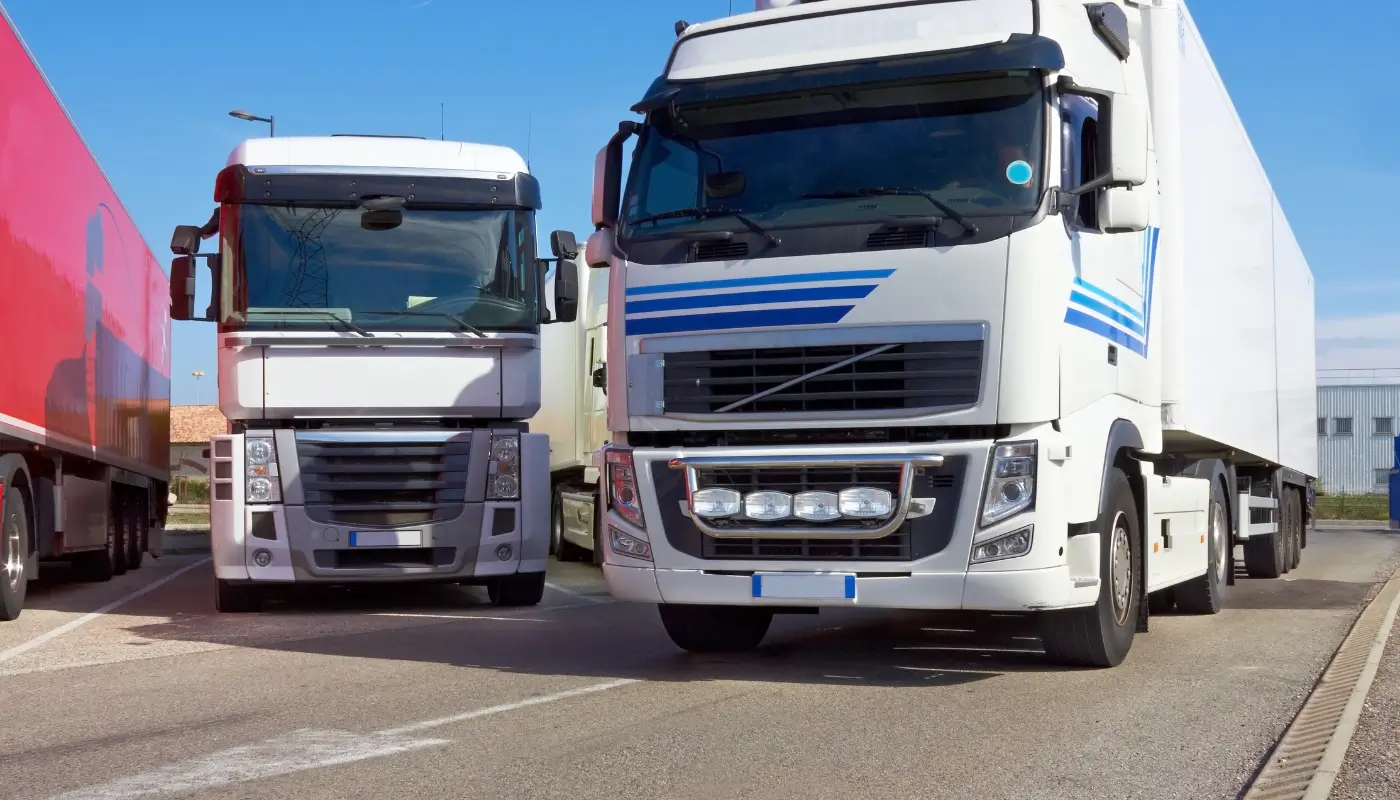
Technology glossary: essential modern fleet management terms
 Jade Zart 4 min read

As technology evolves in logistics and fleets, different technology terms emerge to categorize and explain these innovations.
Each of these terms represents different ways to modernize and ensure the operational efficiency of a transport fleet. You need to know them to avoid falling behind in managing your fleet.
Learn the main technology terms in fleet management below:
- API;
- Data and Big data;
- Artificial intelligence;
- Internet of Things;
- SaaS;
- Electric vehicles;
- Autonomous vehicles.
API (Application Programming Interface)
An API is a way for different systems and/or tools to communicate, enabling efficient, automated data exchange. In fleets, this resource is mainly used to integrate different operational departments, from fuel consumption control to fleet maintenance information.
This is fundamental for managers to have a complete view of how their fleet operates and make better management decisions.
This type of technology is also important for implementing an operational control center.
Data and big data
Data have become indispensable in recent years, serving as the basis for analysis and decisions across all fleet departments.
They are generated constantly and in large volumes, from vehicle locations to driver performance and fuel consumption. This is why Big Data has become a reality: the concept describes the ability to handle these large volumes of information.
This makes it possible to analyze complex, extensive datasets that were previously difficult to process with traditional methods.
Artificial intelligence
When discussing technology terms, we cannot overlook artificial intelligence. It has become part of companies’ routines and is increasingly present in transport and logistics too.
AI in fleet management can be used in a few different ways, always complementing managers’ work in making more effective decisions. One of its main current applications is fleet predictive maintenance.
The different sensors and technologies in this maintenance model detect behavior and operating patterns and identify problems at their earliest stages through changes in those patterns.
AI can also be used in other stages of transport operations, such as route optimization, analyzing variables in real time, such as traffic and weather, and providing more efficient directions.
Internet of Things (IoT)
The Internet of Things aims to connect machines, equipment and, in fleets, vehicles to computers and other devices, creating an intelligent system that sends and receives specific information.
It can be applied for different purposes in fleet management. One example is improved safety, where sensors and connected devices can monitor driving conditions, detect risky behavior and alert drivers and managers in real time.
In addition, among other functions and applications, IoT enables a quick response to emergencies along routes, providing precise location information in the event of incidents.
Software as a Service (SaaS)
This is one of the most widely used technology terms, describing a type of service present in practically all fleets today. Software as a Service, known as SaaS, is a type of technology that solves operational problems through a management system that does not need to be bought and installed internally.
Companies can access its features through the internet, paying a recurring amount, generally monthly.
It generates fleet management benefits by eliminating the need to invest in IT infrastructure and server maintenance, allowing easy, remote access to management tools.
Furthermore, software updates are automatic, keeping features up to date and ensuring adoption of the industry’s latest innovations.
By choosing SaaS solutions, transport companies can focus on operational management while relying on efficient, secure and flexible technology to optimize tracking, maintenance, logistics and other essential fleet management aspects.
Electric vehicles
Electric vehicles are an emerging fleet management technology offering a sustainable, efficient alternative. This is because these vehicles are powered by batteries and electric motors, eliminating direct exhaust gas emissions and significantly reducing their carbon footprint.
Adopting electric vehicles contributes to different aspects of management, both through lower fuel costs and a more positive view of the company as a whole.
Although challenges such as these vehicles’ range before recharging and high upfront costs are still a reality, rapid technological evolution and the growing focus on sustainable transport are increasingly driving the transition to electric vehicles in fleets.
Autonomous vehicles
Autonomous vehicles are characterized by their ability to move without direct human intervention.
They are expected to contribute in areas such as automatic route optimization and increased fleet productivity because they can operate for more hours without fatigue.
However, adopting autonomous vehicles also faces challenges, mainly in addressing legal and safety issues.
Now that you know what these different technology terms mean, discover the main fleet technologies to include in your transport operations management. Download this free guide with 7 technology options for your fleet (in Portuguese).
Frequently asked questions
What is an API and what is it used for in a fleet?
Is it better to adopt a SaaS system or install your own software?
How is artificial intelligence used in fleet management today?
What is the difference between big data and the internet of things?
Does it make sense to look at electric and autonomous vehicles now?
// newsletter
Fleet management content, straight to your inbox
Articles on tires, maintenance and fleet operations. No spam.