Paper vs. electronic checklists: know the difference
 Luiz Felipe 7 min read
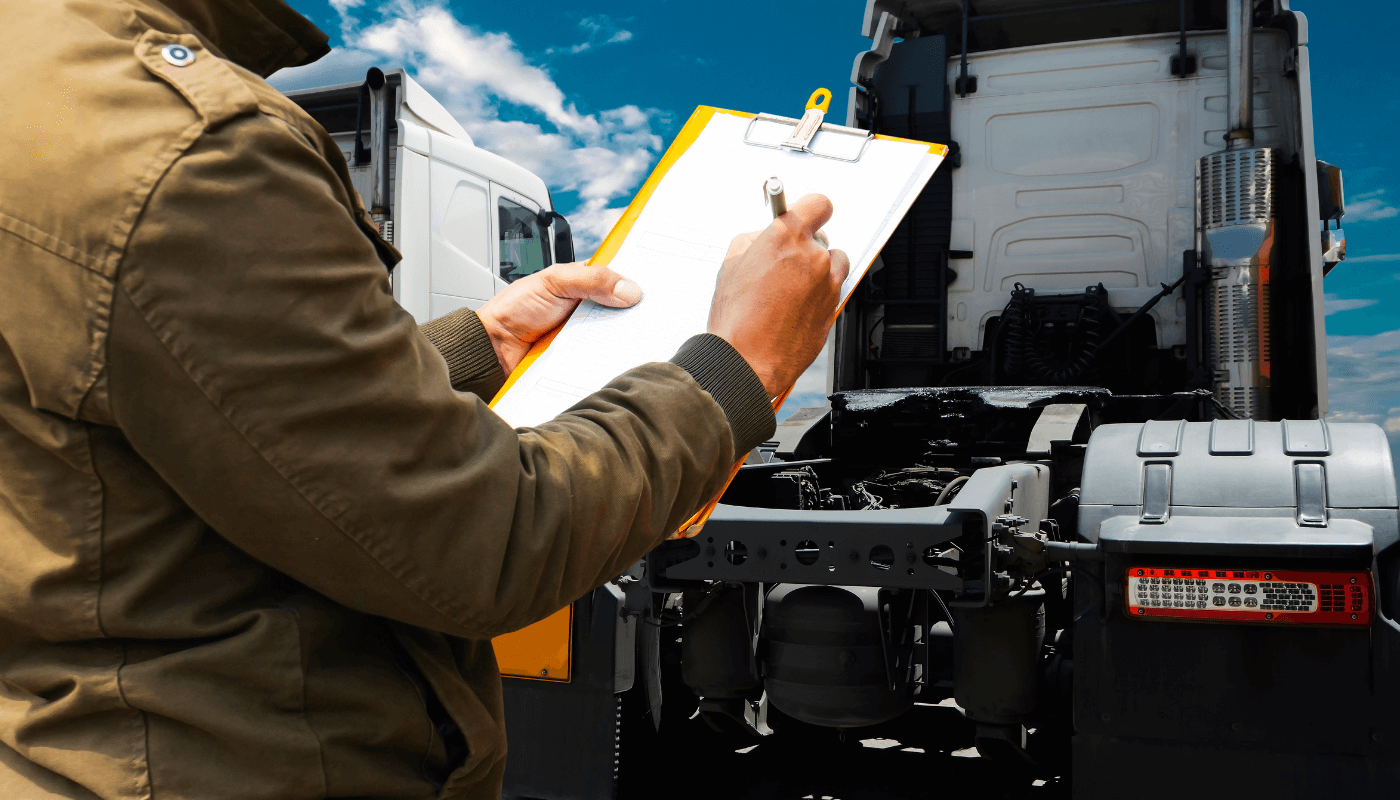
Although they share the same goal, the difference between paper and electronic checklists lies in what happens to information after the inspection. An electronic checklist is a control tool designed to transform how logistics and transport companies perform their tasks, bringing greater efficiency, speed and organization to the data generated.
Meanwhile, a paper checklist can be defined as a handwritten list of checks. It also helps organize, control and evaluate operational performance, but is more susceptible to errors, delays, lost documents and repeated work when consolidating information.
In fact, fleet drivers are reluctant to adopt it because of the difficulty and time involved in inspecting vehicles with it, causing you to lose valuable data for business decisions.
So, is there a difference between paper and electronic checklists? Which should I implement in my fleet? Find out more below:
- Paper checklist: benefits and drawbacks;
- Electronic checklist: benefits and drawbacks;
- The difference between paper and electronic checklists and which to choose.
Paper checklist
For many, a paper checklist is an economical alternative: all it takes is paper and a pen to create a list capable of standardizing processes and improving service quality.
Despite the supposed cost reduction this model offers, it can become expensive as the operation grows, when vehicles travel many routes or when management needs to act quickly on a nonconformity. Explore its pros and cons:
Advantage: Control and organization
For transport operations and fleets that do not yet have a preventive maintenance process involving regular vehicle inspections, a paper checklist is a good starting point.
When fleet management is well organized, this checklist model can be used without problems. The main issue is understanding how to make distributing, completing, collecting and checking the checklist a fast process, which tends to be quite challenging.
Disadvantage: Time and delays
A paper checklist requires a manual sequence: printing or setting aside the form, giving it to the driver or person responsible for the inspection, completing it item by item, collecting the document and only then turning the answers into some form of management record.
This workflow contributes to a significant loss of time on manual tasks that could be replaced by using a digital checklist. The larger the fleet and inspection volume, the more expensive it becomes to depend on paper circulating between the yard, routes, office and workshop.
Disadvantage: Inaccurate data
Anyone can fill out a paper checklist, but what guarantees that the information is true?
In many operations, drivers do not even spend time reading the checklist, drawing a large line across the paper to suggest everything is fine with the vehicle. Yet when problems arise, they suffer the most, as they need the vehicles to complete their routes.
You lose out too, because you lack the data needed to understand what caused the problems and how to find alternatives to prevent them from recurring. In Brazil, before taking a vehicle onto public roads, drivers must check that mandatory equipment is present and in good working condition; an inspection routine therefore needs to be taken seriously, whether on paper or digitally.
Disadvantage: Difficulty resolving problems
A checklist is meant to help find solutions faster. When it is on paper, employees take longer to perform their tasks because they must first fill it out, hand in the form and wait for someone to read it and refer the problem to the right person.
Without process automation, the team loses time, precision and money — all necessary to stand out in the market. A nonconformity sitting on a sheet of paper can take time to reach the workshop, delaying the opening of a work order and a decision about the vehicle.
Disadvantage: Duplicated work
Some information must be transferred from paper to spreadsheets and then processed into charts and tables.
However, gathering this information takes time, and in many cases there is not enough time to collect it. As a result, data records often become outdated, reports lose reliability and management starts making decisions based on an outdated view of the fleet.
Disadvantage: Excessive spending
A manual checklist creates extra printing costs to give drivers the materials for their inspections. This can pose environmental risks and reflect little concern for fleet sustainability.
In addition, the safety of operational activities itself is put at risk, as papers can easily be lost and never reach the fleet manager. When this happens, the company loses the history of that inspection and has to deal with uncertainty over what was or was not checked.
Now, does a digital checklist really improve company profitability and save employees time? Find out below.
Digital checklist
A digital checklist is a tool that replicates the task of completing paper forms. It replaces the many sheets used in inspection and quality processes and turns answers into data that can be consulted, filtered and analyzed more easily.
Advantage: Reduces pollution
By replacing physical forms with digital records, a company reduces the need to print checklists for every inspection, route or vehicle. In operations with many assets, this reduction in paper also simplifies storage and avoids piles of hard-to-search documents.
Using digital checklists in everyday operations therefore reduces the use of paper sheets and helps bring inspection routines into closer alignment with fleet sustainability goals. In a case study published by Prolog, digitizing checklists eliminated physical forms and sped up communication between inspectors and mechanics.
Advantage: Reduces errors
Preparing a checklist manually is always subject to errors, regardless of how attentive the employee is and how clearly the data are presented.
With checklist automation, some manual process errors can be reduced because completion no longer depends on loose sheets, later reading and spreadsheet data entry. The time saved can also be directed toward analyzing the information generated.
Advantage: Solves problems remotely
Integrating a digital vehicle checklist system allows managers and other employees to exchange information even at a distance.
This is a major difference between paper and electronic checklists, showing both the practicality of this electronic tool and its importance in enabling managers to resolve problems even when they are out of the office.
It also allows drivers to request help while in the middle of a route.
In addition, the digital record can provide important data on completion time, the person responsible and the geolocation of the inspection performed. With Prolog, checklists are completed on any mobile phone with the app installed, and the person responsible can include photos taken during the inspection to help describe reported nonconformities.
Advantage: Builds credibility
An electronic checklist is a safe, efficient way to create reports to analyze the condition of fleet assets.
This makes it easier to anticipate and correct mechanical failures that could interrupt tasks and leave customers dissatisfied. It also becomes easier to identify patterns, such as items and vehicles that cause more problems in the fleet, and to monitor the number of work orders generated from inspections.
Advantage: Integration with fleet maintenance management
A checklist plays an important part in maintenance management because it helps identify fleet needs and inform maintenance planning and preventive services. It is not the only possible resource for planning maintenance, but it is a practical source for turning vehicle observations into workshop actions.
Likewise, it contributes important data so that budgets and fleet renewal forecasts can be calculated more accurately. In digital solutions, work orders can be generated automatically when a nonconformity is reported, bringing inspections closer to the maintenance workflow.
The difference between paper and electronic checklists
In general, you can see that an electronic checklist has significant operational advantages over paper. This happens because logistics technologies emerge with the aim of solving problems identified in the real routines of transport operations, such as delays in sharing information, lost documents and difficulty turning inspections into reports.
Several drawbacks of the manual method can therefore be reduced or corrected when a company implements a digital solution with proper planning, suitable forms for each vehicle type, designated responsible people and integration with the maintenance process.
An electronic checklist therefore brings speed, productivity and safety to fleet inspections. Drivers tend to adopt it more readily when the task is quick, straightforward and accessible on their phones, and their vehicles’ problems are resolved faster because they reach the people who need to act with greater clarity.
Now that you know the difference between paper and electronic checklists, it is time to get the best Electronic Checklist system for fleets.
Schedule a free demonstration of the Prolog solution with one of our specialists.
Frequently asked questions
Is it worth starting with a paper checklist?
How much time does an operation lose with manual checklists?
My drivers do not fill out the checklist properly. What should I do?
Does an electronic checklist help with sustainability goals?
What does an electronic checklist solve that a paper checklist does not?
How does a checklist connect to fleet maintenance management?
// newsletter
Fleet management content, straight to your inbox
Articles on tires, maintenance and fleet operations. No spam.