Tire checklist: items, frequency and records
 Jade Zart 5 min read
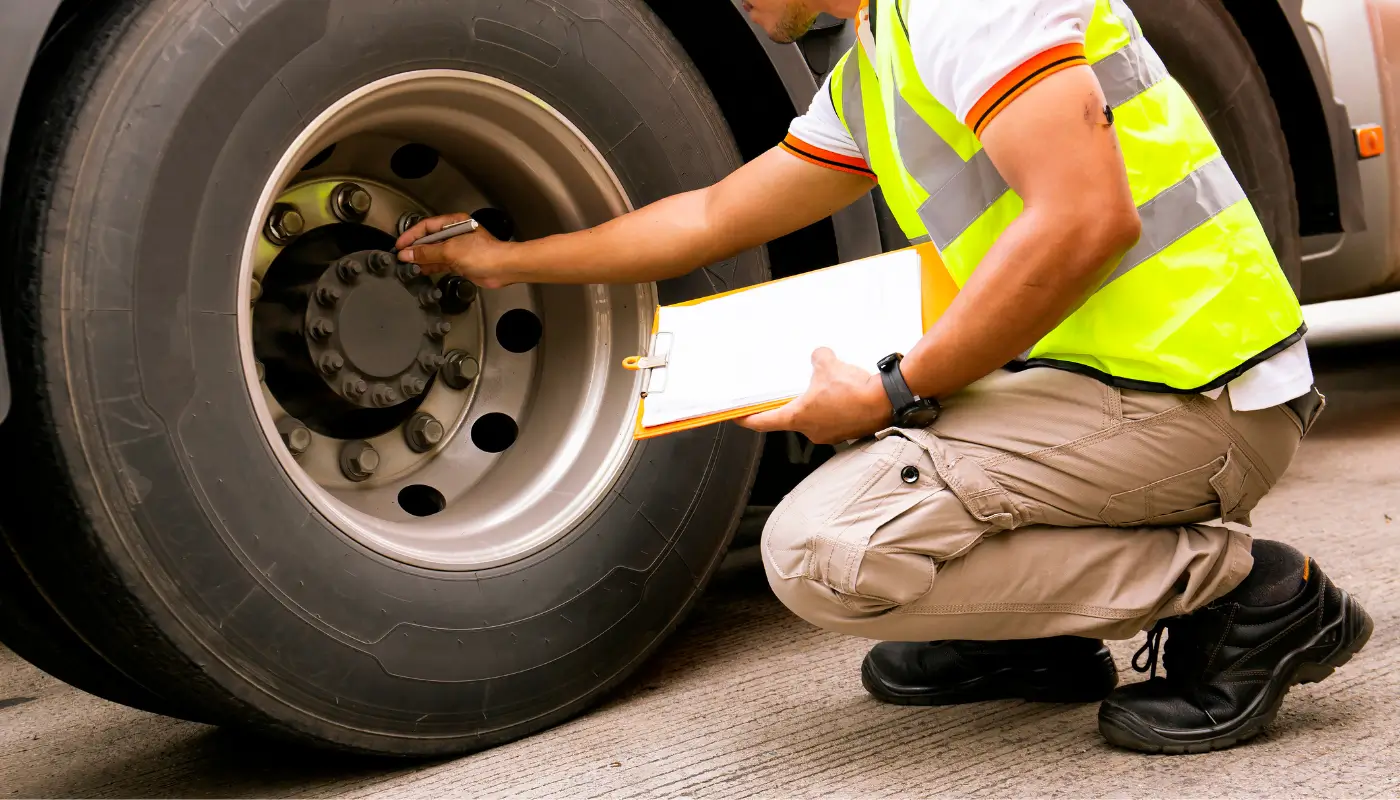
A tire checklist is an inspection focused on the items that affect the condition of this asset in the fleet. More than ticking off a list, the routine should record what was found, route irregularities for action and keep a history to support decisions about maintenance, retreading or disposal.
Pressure, wear and visible damage deserve attention because tires influence safety, vehicle availability and operating costs. The inspection criteria need to take into account the vehicle type, the load, the routes and the technical guidance that applies to each combination.
Read on:
- Why is a tire checklist needed?
- What to check in a tire inspection?
- Ideal time between tire checklists
- How to document and analyze the results
- What you can learn from analyzing the checklists
Why is a tire checklist needed?
A dedicated checklist makes it possible to notice details that can go unnoticed in a general vehicle check. The team compares pressure, tread depth, signs of wear and previous occurrences, instead of relying only on the perception of whoever drove the vehicle.
This routine does not replace technical assessment or the maintenance recommended by the manufacturer. It creates a control point so that the manager and the team in charge know what needs analysis, repair, replacement or follow-up.
In Brazil, CONTRAN (National Traffic Council) Resolution No. 913/2022 prohibits driving with a tire whose tread has reached the wear indicators or has a remaining depth of less than 1.6 mm. Including the reading and the condition of the indicators in the checklist makes this follow-up verifiable.
That is why it makes sense to keep a separate tire inspection, or a detailed one within the checklist routine. It supports decisions about preventive maintenance of tires, replacement and retreading without turning an issue reported from a visual check into a definitive diagnosis.
Want to see this in your fleet? Talk to a Prolog specialist
What to check in a tire inspection?
The checklist items should reflect the vehicle and the operation. In a routine inspection, record signs of wear, damage or conditions that need technical follow-up.
A list may include:
- tire pressure, according to the specification that applies to the vehicle, the load and the tire;
- tread wear and tread depth;
- cuts, punctures, bulges, cracks, dry rot or other visible damage;
- objects stuck in the grooves and the general condition of the tread;
- pressure and condition of the spare tire, when there is one;
- valves and valve caps;
- the tire's identification, position and history to make traceability easier.
Pressure should be checked according to the manufacturer's recommendation. For the vehicles it applies to, NHTSA advises using the cold inflation pressure shown on the placard or in the owner's manual, and not taking the number molded on the tire sidewall as a reference. In a fleet, the internal procedure should follow the technical specifications relevant to the configuration.
A tire inspection should distinguish what was only observed from what already requires action. A cut, a bulge, irregular wear or recurring pressure loss need to be recorded with context and routed according to the maintenance process.
Ideal time between tire checklists
There is no single interval for every fleet. Frequency depends on mileage, the type of operation, road conditions, load, tire age and incident history. Severe or long-distance operations may require more frequent checks.
For the vehicles it covers, NHTSA recommends checking the pressure of all tires, including the spare tire, at least once a month. The agency also advises checking the tread monthly. The fleet should complement this reference with the intervals defined by manufacturers and internal procedures.
It is also prudent to plan a visual inspection before long trips, after impacts or when the driver notices a change in how the vehicle handles. The frequency needs to be known by whoever inspects, documented, and it should trigger action when there is a nonconformity.
How to document and analyze tire checklist results
After each inspection, record the date, the vehicle, the tire identification and tire position, the items checked, the conditions observed, the person in charge and the follow-up action taken. Photos can help when the procedure requires evidence of damage or an abnormality.
Digital tire management and fleet systems can organize this history and make it easier for managers and technicians to access. An electronic tread probe can also make the recording of measurements more consistent, as long as the team has a process to handle what is found.
The history makes it possible to compare inspections and identify what requires analysis. When a reported issue calls for intervention, the workflow should make it clear who assesses it, what action was taken and when the occurrence was closed.
What you can learn from analyzing these checklists
Analyzing the records can reveal irregular wear, recurring pressure loss, repeated damage, intervals between interventions and differences between positions, vehicles or operating conditions. Each sign is a starting point for investigation; on its own, it does not determine the cause or the solution.
A wear pattern may indicate the need to check alignment, suspension, calibration, load or driving practices. The data also helps plan purchases, maintenance or retreading further in advance. With a consistent routine, the checklist connects to checklist analysis, to driver training and to company goals related to savings, sustainability and operational efficiency. To go deeper into tire management in fleets, check out our tire management flowchart (in Portuguese).
Sources consulted
- CONTRAN Resolution No. 913, of March 28, 2022 (in Portuguese) — requirements on tire use and the tread wear limit.
- NHTSA — Tire Safety — guidance on checking pressure, tread and tire condition.
Frequently asked questions
What should a tire checklist cover?
What is the minimum tire tread depth allowed?
How often should a tire checklist be done?
What pressure should be used for tire calibration?
How should tire checklist results be recorded?
What does the analysis of tire checklists reveal?
// newsletter
Fleet management content, straight to your inbox
Articles on tires, maintenance and fleet operations. No spam.