Tire control system: 7 benefits and how to implement it
 Jean Zart 11 min read
Tires are among the three largest costs for any fleet, and without proper control, they create real chaos. Early replacements, wear on new tires, soaring fuel consumption, even mechanical failures — all of this results from poor management.
There is no point trying to ignore it — without tires, the truck goes nowhere. And if it goes nowhere, there is no delivery, no happy customer and, worse, no revenue.
To avoid these problems, many companies have already adopted a tire control system, a technology that makes routine tracking easier, reduces waste and ensures greater durability for every tire in the fleet. But how does this tool work in practice? What are the benefits? And how can it be implemented efficiently?
That is what you will learn in this article, including:
- What is a tire control system?
- 7 operational benefits of tire control systems
- Main tire management solutions available on the market
- Steps to implement an efficient tire control system
- How does Prolog's tire control system work in practice?
What is a tire control system?
If you have heard of a tire control system, a tire management system or even a tire management solution, all these terms mean the same thing: software that helps the operation better control its tires' life cycle and reduce waste. The only difference is how each company or supplier names this technology.
A tire control system (or whichever name you prefer) focuses on accurately tracking this asset, keeping track of it from installation to disposal. It records mileage traveled, retreading, calibrations and even deviations from the standard, such as tread wear.
This type of solution can have a broader scope, such as organizing strategic data to help with decision-making and purchasing planning. In this case, we are talking about a more complete package that may include software, inspection kits and even specialized consulting.
With a tire control system, the fleet gains greater durability, lower costs and efficient management, with no budget surprises. After all, nobody wants to keep losing money through a lack of control, right?
Why use a tire control system?
Answer a very serious question: does manual tire management work perfectly in your operation? With no errors, rework or headaches? If the answer is no (or even maybe), it is time to reassess your strategy.
The truth is that spreadsheets and paper notes cannot handle fleet complexity, especially if you manage more than 10 vehicles. How can you ensure a tire is not replaced early or that preventive maintenance has been performed? Without efficient control, premature disposal increases costs, fuel consumption and, worse, accident risks.
A tire control system resolves these problems by organizing records, alerts and reports on each tire's useful life. This lets the company make strategic decisions based on concrete information, reducing waste, improving safety and ensuring the fleet operates at maximum efficiency. Remember: data does not lie!
7 operational benefits of tire control systems
You can already see that a tire control system goes well beyond organization, right? It is key to reducing costs, increasing efficiency and ensuring greater safety for the fleet.
Still not convinced? See seven clear benefits this technology can bring to your operation — and discover why more and more companies are adopting this control!
1. Lower operating costs
Without good control, tires are replaced early, creating unnecessary waste. Software lets you track useful life, retreading and performance, ensuring maximum use of each tire and avoiding unnecessary purchases.
A good example is Conlog, which managed to bring premature tire disposal down to ZERO with Prolog's Tire Management solution.
2. Fuel savings
Poorly calibrated or worn tires increase rolling resistance, causing the vehicle to consume more fuel to move. With a control system, you can frequently review calibration and wear records, reducing consumption and refueling costs.
This is the case at Cobeb, which reduced fuel consumption by 2% and tire retreading rejections by 50%.
3. Makes the team's daily work easier
This benefit alone should be enough, do you agree? Managing tires manually is very labor-intensive and more prone to errors. A system centralizes all information, automates records, sends alerts and simplifies tracking, letting the team focus on what really matters: ensuring the fleet always operates efficiently.
4. Greater operational safety
A poorly managed tire can blow out, skid or cause other mechanical failures, putting drivers, cargo and the operation itself at risk. A system helps prevent these problems by issuing alerts for calibrations, maintenance and necessary replacements, ensuring safer routes.
5. Data-based strategic decisions
With detailed reports on wear, mileage and performance per vehicle, you can make smarter decisions. This means better purchasing, scheduling preventive maintenance, having more satisfied customers and, consequently, more profit.
6. Greater productivity
With less time spent on manual controls and fewer vehicles stopped by unexpected problems, the fleet gains efficiency and availability. A tire control system helps keep more vehicles on the road for longer, without surprises or unnecessary interruptions.
7. Operational sustainability
Managing tires efficiently is good for both your budget and the planet. A well-structured system reduces premature tire disposal, encourages retreading and reduces excessive fuel consumption, helping the company operate more sustainably and responsibly.
Marbela reduced tire disposal by 47.8% after implementing Prolog's Tire Management solution, increasing the company's savings and commitment to sustainability.
Main tire management solutions available on the market
Great benefits, right? But I understand that with so many options on the market, choosing the best solution for your operation is difficult.
After all, tire management has evolved significantly in recent years, and today several technologies make this process more efficient, accurate and strategic. From specialized software to smart sensors, solutions vary according to fleet size, the level of control needed and the available budget.
So, to help you choose the best option, I have selected the main types of solutions available on the market. Take a look!
1. Tire Management Software
Tire management systems are the most complete solution for tracking the tire life cycle, from installation to disposal. They allow records of mileage, pressure, retreading, wear and even fuel consumption associated with tire condition.
Some solutions also include mobile apps to make inspecting and collecting data on these assets easier.
That said, a tire control system's main features include:
- Detailed registration of each tire (model, manufacturer, installation date);
- Useful life tracking and replacement alerts;
- Retreading and tire rotation control;
- Reports for strategic decision-making.
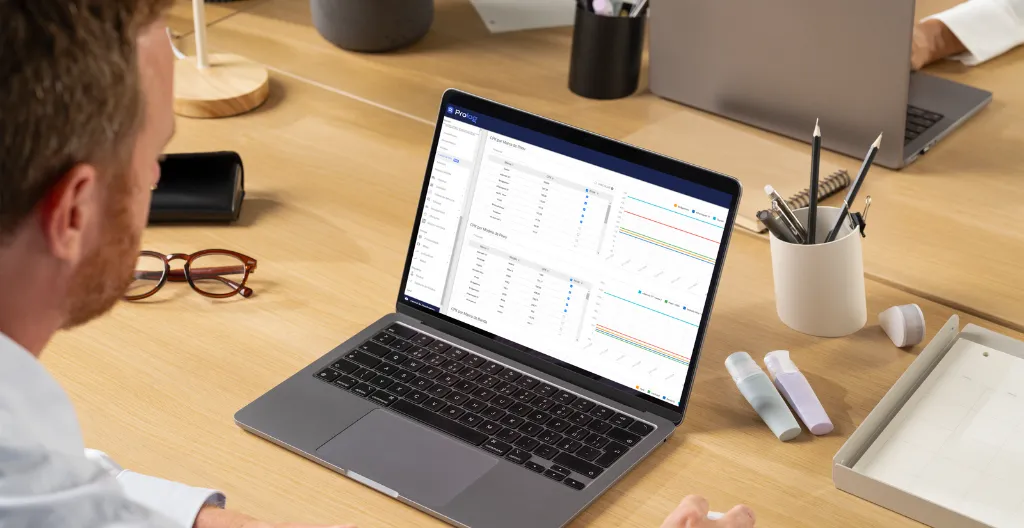
If you want a complete system, Prolog's Tire Management System offers all these features and more. With it, you can standardize inspections, reduce waste, track detailed indicators and ensure greater durability for every tire in your fleet. In addition, the Prolog Inspection Kit helps collect data more accurately and quickly, taking information from inspections carried out by the team into the system.
Specialized software is ideal for all types of fleets that need more precise control and significant cost reductions.
2. Smart sensors
Pressure and temperature sensors are an advanced technological solution that automates tire monitoring in real time. They are installed directly on vehicle wheels and send information to an integrated system, helping prevent problems before they happen.
Main benefits:
- Automatic tire pressure and temperature monitoring;
- Real-time alerts for calibrations or blowout risks;
- Lower fuel consumption by keeping tires at the ideal calibration at all times.
This solution is a good fit for fleets traveling long distances that need to avoid unexpected downtime from tire failures.
3. Systems integrated with Fleet Management
Some fleet management software has specific tire control modules. This solution allows tire management to be connected to other aspects of the operation, such as maintenance, refueling and routing.
Main benefits:
- Integration with fuel consumption and vehicle performance data;
- Combined reports for better operational planning;
- Centralized management of all fleet-related costs.
This option is useful for companies that already use fleet management software and want to add tire control without needing separate software.
4. Digital spreadsheets for basic control
For those not yet using any technology, digital spreadsheets can be a first step toward organizing tire information. They help record replacements, retreading and mileage traveled but have limitations regarding automatic alerts and integration with the operation.
Advantages:
- Low cost;
- Easy to start using;
- Better than having no control.
Disadvantages:
- Greater risk of errors and human mistakes;
- Do not generate automatic alerts;
- Low efficiency for large fleets.
Spreadsheets can be a starting point, but as the fleet grows, the ideal approach is to migrate to an automated system.
Steps to implement an efficient tire control system
Now that you understand the importance of a tire control system and know the solutions available on the market, the question is: how do you choose and implement the best one for your fleet?
This process may seem complex at first, but following structured steps makes the transition to more efficient control much simpler and more accurate. Shall we take a look?
1. Analyze your fleet's situation
Before any change, it is essential to understand how tires are managed today. Is control manual? Are replacements and retreading recorded? How does the team handle calibration and maintenance?
These questions help map the main challenges and sources of waste that a system can address. If tire costs are high or there are many unnecessary replacements, that is already a sign that a more advanced solution will bring a quick return.
2. Choose the right technology
Based on the challenges identified, the next step is to define which type of solution makes the most sense for your fleet. As we have seen, this depends on several factors, such as the available budget, fleet size and team training, among others. In other words, it depends on your fleet's current situation!
The most important thing is to choose a solution that truly meets the operation's needs, without unnecessary complexity.
3. Involve the team and simplify processes
A sophisticated system is no use if the team does not know how to use it. One of the biggest mistakes when implementing new technology is failing to prepare the teams responsible for day-to-day tire management.
So, in addition to choosing an intuitive, easy-to-use system, it is essential to ensure drivers, mechanics, managers or those responsible for the system understand how it works and how it will make their work routine easier.
4. Create a complete initial registry
When implementing a tire control system, you need to populate the tool with real fleet data. This includes registering all tires in use, vehicle mileage and replacement and retreading history.
The more information entered at the start, the more precise the tracking and the faster the return on investment will be.
5. Track results and adjust as needed
Once the system is running, tracking results is essential. Check whether alerts work correctly, whether the team can use the tool and whether reports are helping with decision-making.
Over time, you will be able to adjust processes and get even more value from the chosen technology.
How does Prolog's tire control system work in practice?
Anyone working in tire management knows how challenging the process can be. Many decisions, training sessions, deadlines and, of course, costs are involved. And if control is poor, any oversight can turn into an extra expense at the end of the month.
Here at Prolog, we believe managing tires does not need to be complicated. On the contrary, our goal is to make your routine easier and help you save time and money, ensuring your fleet runs with maximum efficiency.
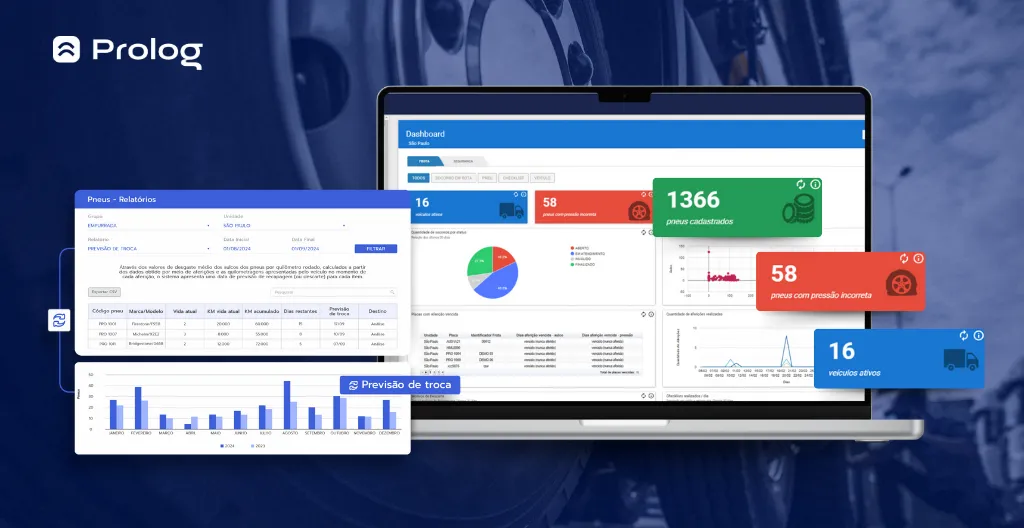
That is why we created a simple, intuitive and efficient system that provides full visibility into tires and lets you make strategic decisions based on real data.
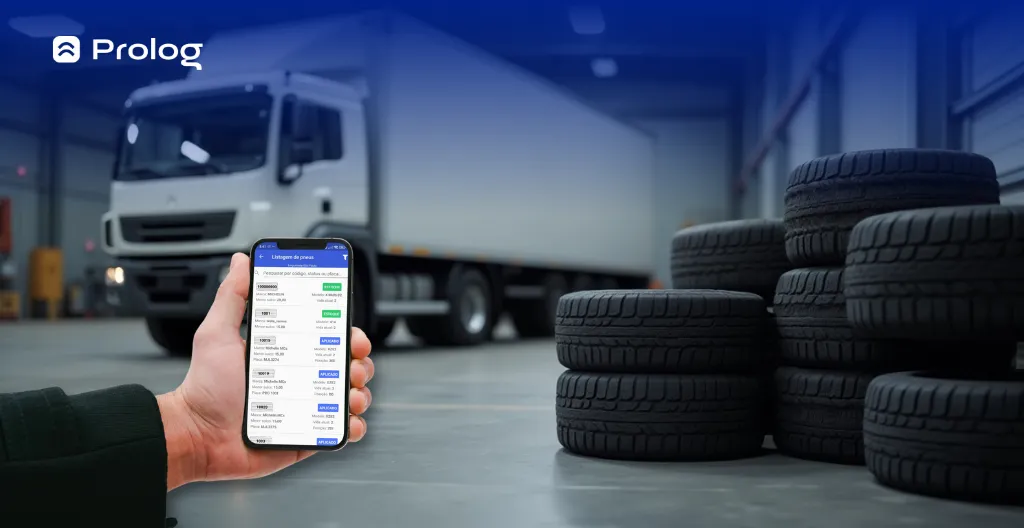
In practice, this means you register all fleet tires and track each one's status. In the Prolog App, you can also manage inspection deadlines, maintenance schedules and wear without resorting to spreadsheets or manual notes.
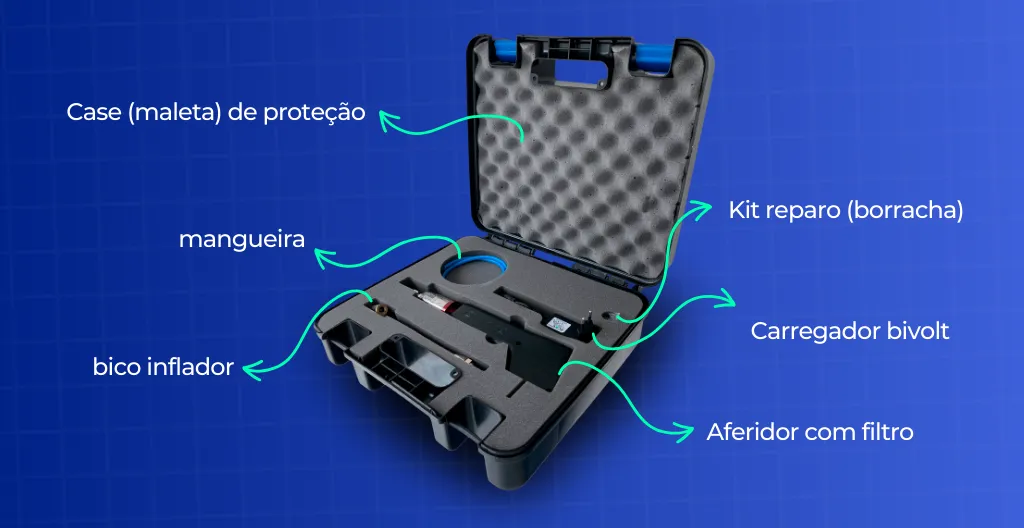
In addition, when you adopt our tire management solution, you receive the Prolog Inspection Kit, which makes the team's routine much easier. With it, inspections carried out by the team are faster and more accurate, and data collected during inspection is updated in the system for consultation and tracking.
Another advantage is automatic reports, which help you understand exactly where and how your fleet is spending more on tires. Information you can access includes:
- Tire position in the fleet;
- Groove depth and pressure recorded during inspection;
- Cost per kilometer (CPK);
- Average wear per kilometer traveled;
- Wear level by make and tread model.
If you want a system that truly makes tire management easier and helps reduce costs, Prolog is the right choice.
Want to learn more about our system? Talk to our specialists and discover how PrologApp Tire Management can transform your fleet management!
Frequently asked questions
What is a tire control system?
Doesn't a spreadsheet handle tire control?
What results have customers reported with this type of system?
What types of tire control solution are available?
Where should system implementation begin?
Which indicators does Prolog's system provide?
// newsletter
Fleet management content, straight to your inbox
Articles on tires, maintenance and fleet operations. No spam.