How to become a fleet tire manager
 Luiz Felipe 4 min read
If you think about it, the profession of “tire manager” seems natural in an area of the fleet that concentrates so much cost and so many operational decisions. It seems obvious to want someone responsible for managing it, right?
But the function does not depend only on knowing tires: it requires process, reliable records and constant reading of the fleet's information. When the company does not keep track of each tire individually, it is hard to know where the waste is, which item can still run, when to retread and which routine needs to improve.
That is why investing in training as a tire specialist still makes sense for those who want to work closer to the operation's costs, maintenance and productivity.
The evolution of tire management in fleets
There are two great “enemies” of a trucking company's finances: fuel and tires. Even though we have no control at all over fuel prices, we can take measures that greatly reduce tire spending in the fleet.
And, as a bonus, they help make fuel consumption more efficient. Keeping tires correctly inflated is one of the practices associated with better fuel economy, as well as safety and greater durability.
Tire management becomes an essential part of fleet management because it makes it possible to see and strategically control these items of the trucking company. Instead of treating the tire as an unavoidable expense, the operation starts to keep track of wear, retreading, life cycle and cost per tire.
The tire manager's routine
What the manager will do in their daily routine is keep track of the life cycles of all the tires in the fleet, looking for problems, solutions and improvements in the tire care processes of the transport operations.
If the company does not yet have a tire management process, part of the manager's role will be to do the hot branding and register all the fleet's tires in a control system in order to start collecting data on them. From then on, every inspection, relocation and decision leaves a trail for analysis, instead of remaining only in the team's memory.
Knowledge and skills
For all this to be possible, the person in the role needs skills and knowledge about tires, as well as about logistics technology. For example, they need to know the types of tires, their parts and nomenclature, and they must know how to read the technical information on the sidewall.
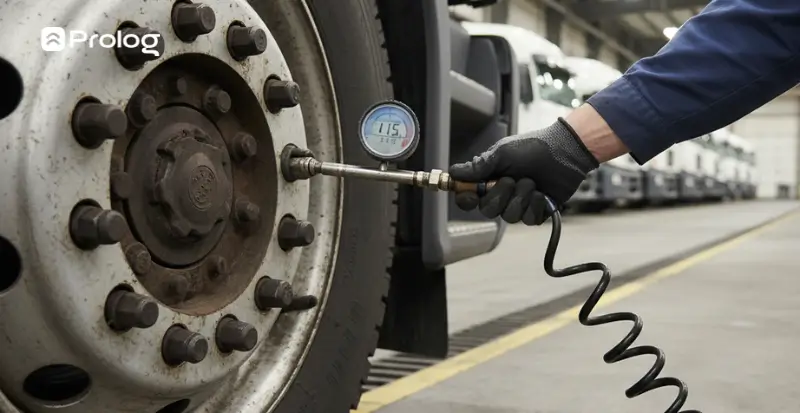
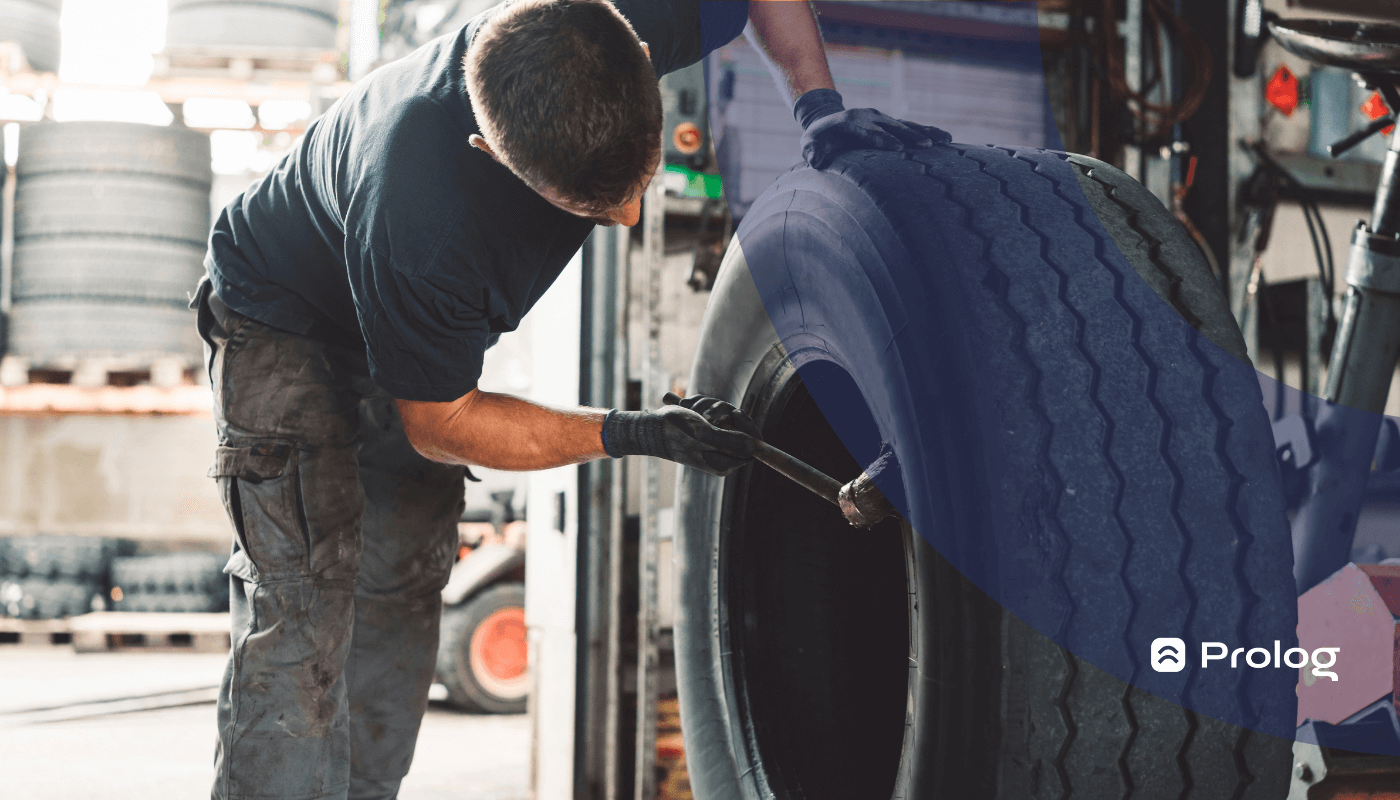
What is more, the tire manager needs to know everything about tire calibration, the risks of high or low calibration, how to identify the ideal pressure for each tire, etc. Pressure must be checked with a suitable gauge, and the care routine also needs to look at tread wear, visible damage, rotation and alignment. They need to know how to mount, dismount, rotate, clean and dispose of tires.
Oh, and they also need knowledge of data collection and analysis. Only then can they effectively make smart and productive decisions, such as prioritizing inspections, identifying irregular wear, planning rotations and comparing the cost per tire throughout the life cycle.
Who can become a tire manager
Those who are already involved in the fleet's routine can certainly seek specialization in this area, from the fleet manager themselves to the driver. Tire technicians and tire analysts are professionals who can take on the role without any problem.
Besides them, maintenance engineers, technicians and directors can take courses in tire management and be excellent additions to bring better results to the fleet. What they have in common is the willingness to turn practical knowledge into process: measuring, recording, comparing and acting based on the tires' history.
Tire management systems and the growth of the profession
Tire management is carried out mainly through systems designed for it. The system helps organize registration, inspections, relocations, retreads and costs, giving the manager a clearer view of what happens to each tire.
There is still resistance to adopting technologies, especially in more traditional companies. However, the trend is for technology to keep supporting the routine of trucking companies and for tire management software to be increasingly present in operations that need to control cost and availability.
After all, those who do not invest in logistics technology find it harder to standardize processes, retrieve history and compare decisions. Without structured records, problems of calibration, irregular wear, early disposal and retreading opportunities may show up too late.
Thus, the tire manager becomes an essential piece of fleets. They will be the one in charge of reading all the data collected in tire inspections and deciding what to do with it.
Are you interested in becoming a tire manager? Check out everything about this kind of management in our tire management guide (in Portuguese); the download is completely free.
Frequently asked questions
What does a tire manager do day to day?
What knowledge does the role require?
Who can become a tire manager?
Why does the profession remain relevant in fleets?
What is the financial impact of the tire manager on the trucking company?
// newsletter
Fleet management content, straight to your inbox
Articles on tires, maintenance and fleet operations. No spam.