Irregular tire wear report: what to analyze
 Luiz Felipe 4 min read
A tire report focused on showing irregular tread wear for each tire in your fleet provides valuable information to help you make better management decisions.
Especially if you are always looking for more efficient tire control and lower costs in this area of the transport company.
As you probably know, tire costs usually have quite an impact on a fleet, alongside fuel and vehicle maintenance. So it makes complete sense to look for solutions to save more.
Your question now is probably:
What role does the irregular tire wear report play in this search?
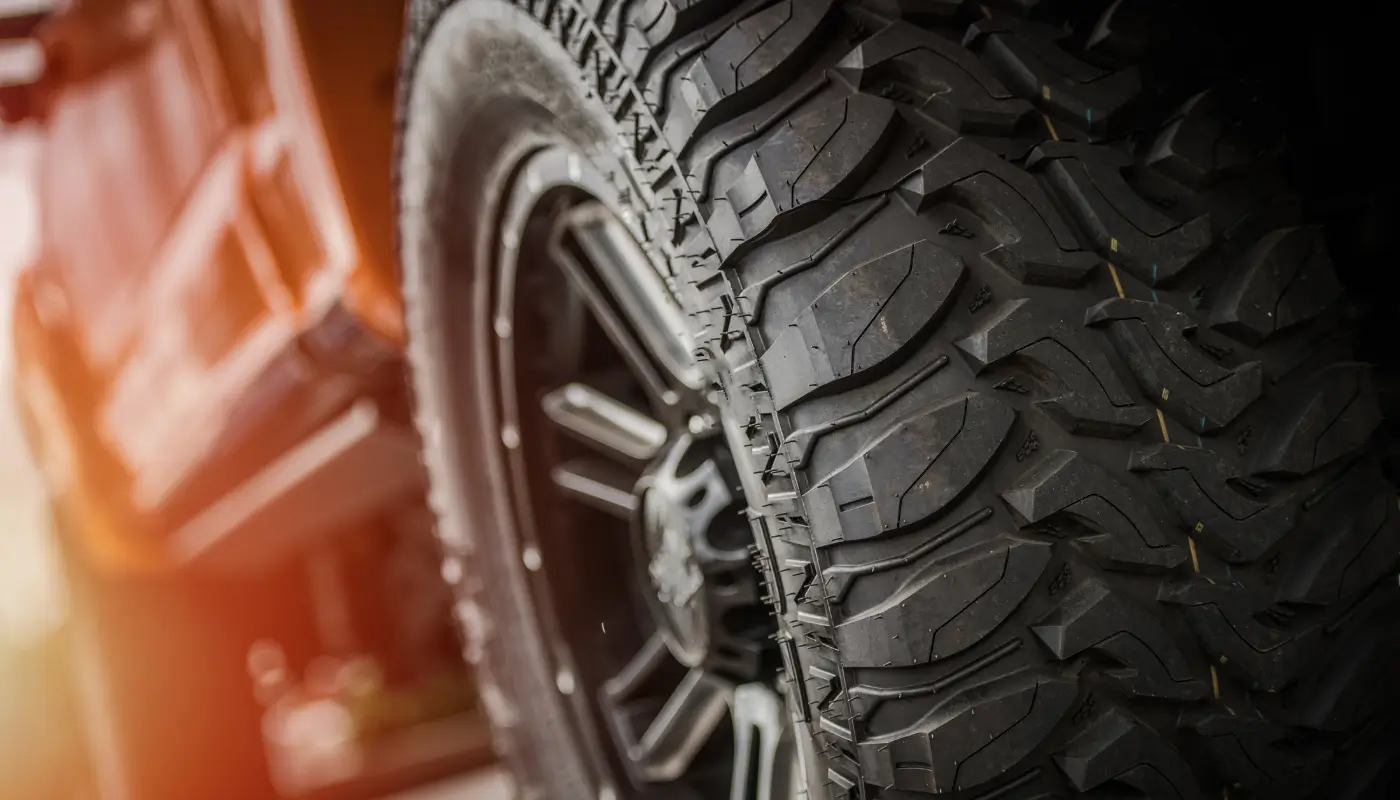
Irregular tire wear indicates that a problem is occurring, whether in the tire itself, the vehicle or a particular driver's driving.
By controlling tire tread depth and pressure over time, you can check whether calibration is being carried out correctly and whether wear is occurring naturally.
Keeping track of these measurements does not, however, replace the technical calibration recommendation. Pressure must follow the PSI specified by the manufacturer for the vehicle, considering the original tire size, load and vehicle dynamics; keeping tires within the recommended pressure helps preserve traction, handling and durability.
These are the main pieces of information about a tire that give you the knowledge to make more appropriate management decisions, using the entire history created as a basis. This is, of course, in pursuit of lower costs and longer durability for your tires.
Now, how does analyzing this report provide that?
What information does the tire report contain?
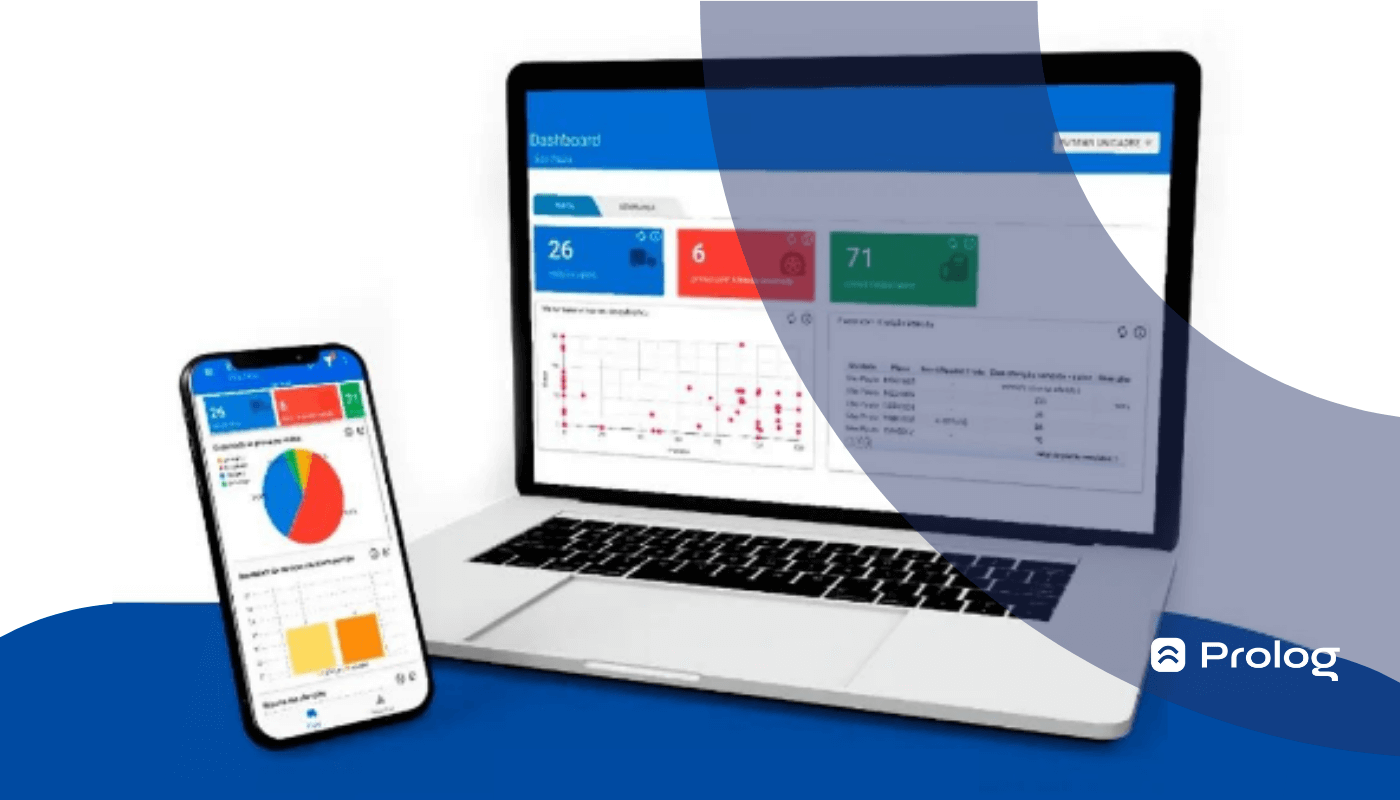
With data entered into the system, which generates this report automatically, you can view on a single screen:
- The purchase amount of each tire, as well as its make and model;
- The tread applied, its number of grooves and its price;
- The depth of each tire groove (inner, outer, inner central, etc.);
- Each tire's wear level;
- A description of the wear, its cause and what action to take;
- The precaution to take to prevent it from happening again.
What can you conclude from viewing this tire report?
You can both correct and prevent tire pressure problems and assess the possibility of retreading.
There are three wear levels in the system: severe, moderate and low.
Using these levels and your checks every two weeks or every month, you start identifying which tires are wearing linearly, which are suffering irregular damage — such as wear only on the sides or concentrated at a single point on the tire — and what to do in each situation.
In general, you reach quite clear and effective conclusions. For example, removing a tire from the vehicle before it is completely lost, avoiding casing fatigue and increasing the chances of successful retreading.
You can also compare the calibration standard used in the operation with the recommended pressure for each vehicle and tire. Pressure should not be defined simply by looking at the report: it needs to consider the manufacturer's recommendation, original tire size, load, vehicle dynamics and conditions of use such as speed, temperature, impacts and road hazards.
The best approach is therefore to carry out checks to verify whether the operation's calibration follows technical recommendations and whether the observed wear indicates a need to correct the process before the tire loses performance or useful life.
Do you need a digital system to generate a tire report like this?
Not necessarily, but tire management software makes this task much easier — and saves you time.
The only thing that is absolutely necessary is tire control, regardless of your chosen method. What you cannot do without is identification for each tire, that is, its fire-branded ID number. You also need the tools that collect the necessary data: a tire pressure gauge and a tire tread depth gauge.
Beyond that, how will you keep track of this information? How will you maintain a history? Will you create a filing system with folders and paper? Will you enter the data in a spreadsheet? What reports will be generated?
These are all questions you should consider when building your tire management processes.
Remember that the system resolves half of these questions automatically for you. After all, the electronic measuring device, which measures both pressure and tread depth in the same device, sends data to the smartphone via Bluetooth during the inspection performed by the team.
Once in the system, the information is organized and stored without any other task being performed. To access it, you only need to log in and look in the “Reports” section for the analysis you want to carry out — such as the tire report for identifying irregular wear.
Want to learn more about how Prolog App tire software works? Talk to one of our specialists and get a demonstration.
Frequently asked questions
What does the Prolog App tire report show?
What is the irregular tire wear report used for?
What are the tire wear levels in the system?
Do I need software to generate a tire report?
// newsletter
Fleet management content, straight to your inbox
Articles on tires, maintenance and fleet operations. No spam.