Tire scrapping: meaning, causes and analysis
 Luiz Felipe 5 min read
Tire scrapping may well be common in fleets, but it is not a reality you should consider normal. After all, it usually indicates management failures and shows that maintenance, inspection and control processes still have room to improve.
This problem happens when you are losing tires prematurely, which can be an important sign of serious management issues such as: failure to keep track of tire wear, periodic maintenance not being carried out and even little control over operating practices that affect tires on the road.
In addition, early tire scrapping drives up fleet costs.
Avoiding tire scrapping should be a priority in any operation. With consistent processes, it is possible to reduce early disposal and address the causes before they repeat. Keep reading to find out more about:
- What tire scrapping is;
- When tire scrapping happens;
- Why tire management is important;
- How to analyze tire scrapping;
- How to prevent tire scrapping.
What is tire scrapping?
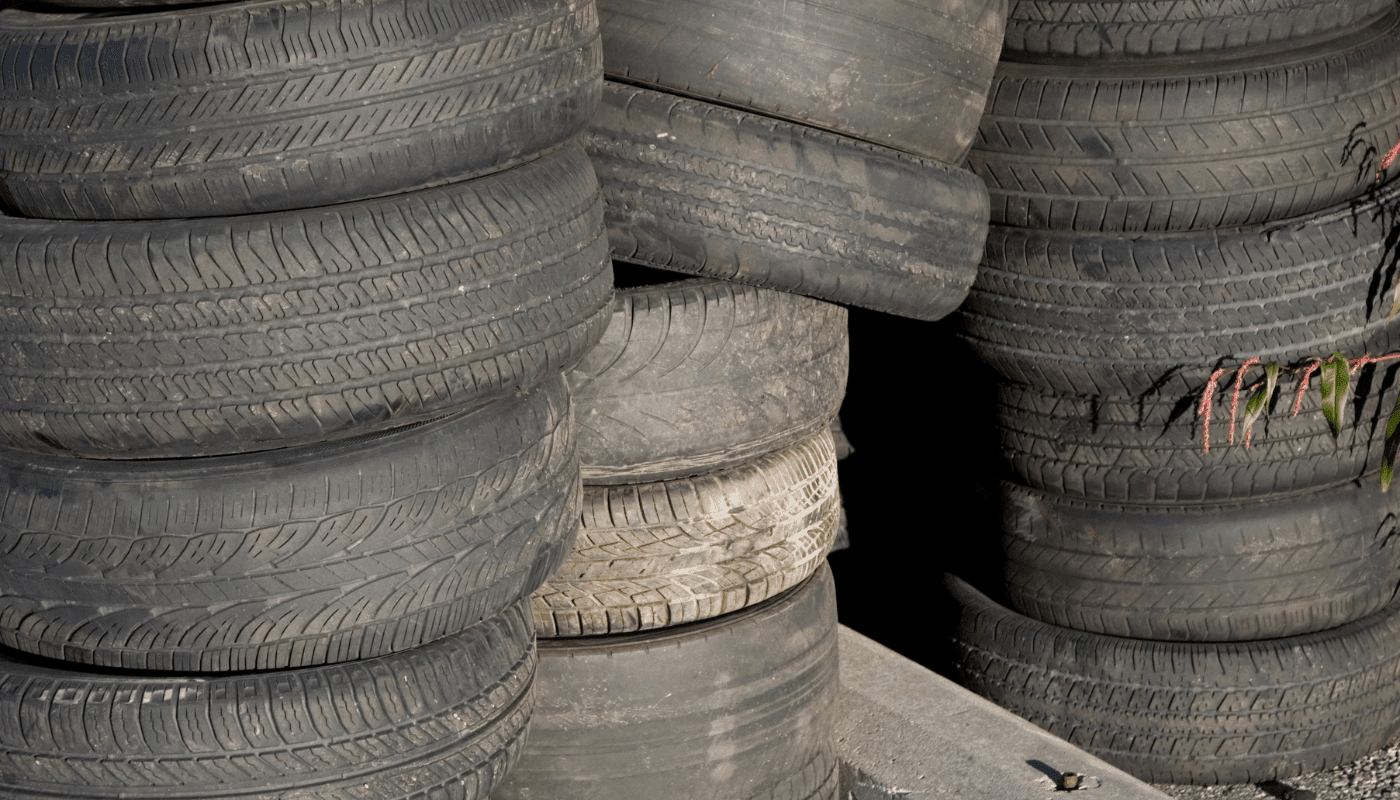
Tire scrapping in a fleet refers to the excessive wear or damage that makes these components lose their original characteristics and functions before the best possible use has been made of them, often because of a lack of proper maintenance and care.
Therefore, any tire lost in the fleet is considered scrapped, whether because it reached its limit of use or because it suffered damage that rules out keeping it in service or another reconditioning.
When does tire scrapping happen?
Tire scrapping occurs when a tire reaches a maximum level of wear or suffers some irreparable damage, making it unfit for use, even after services such as tread-only retreading and top-and-shoulder retreading.
Several reasons can lead to tire scrapping, including issues related to the driver's driving style, errors in mounting and dismounting tires, vehicle alignment issues, lateral dragging, incorrect calibration, punctures, internal damage and much more. Pressure, load, speed, temperature, impacts and damage caused by road hazards also influence tire performance.
In addition, scrapping can result from manufacturing defects, improper tire reconditioning, operational and maintenance issues with the vehicle, poorly executed repairs of damage caused by foreign objects (such as nails or screws), or faulty patch application during repairs.
It is essential to identify the main causes of scrapping specific to your operation, in order to find effective solutions that prevent the loss of valuable resources in the fleet, both in terms of assets and finances.
Why is tire management important to avoid scrapped tires?
When a tire is put through regular routines of inspection, calibration and maintenance, the fleet increases its chances of making better use of its useful life and avoiding wasted resources. Among the most important points of ongoing maintenance are pressure, tread, rotation and alignment.
So, knowing and correctly following the fleet's tire management processes is essential to make the most of the durability of the assets in your fleet. In periodic inspections, it is worth checking for proper pressure, tread wear and visible damage; when there is a worrying condition, an assessment by a tire professional helps guide the right decision.
Legislation and regulations for tire disposal in Brazil
In Brazil, there are laws that regulate tire use, contributing to the organization and control of tire management operations. Resolution No. 913/2022 of Contran, Brazil's National Traffic Council, governs the use of tires on vehicles.
One of the central rules of the Brazilian resolution is that tires must not be driven with a remaining tread depth below 1.6 mm, verified visually by means of wear indicators. In addition, there are restrictions on the use of reconditioned tires on certain types of vehicles and in specific positions, among other rules to be followed.
That is why keeping track of the tire scrap rate and managing these fleet assets correctly is essential both to ensure a safer, more economical and more productive operation and to avoid the penalties set out in Brazilian legislation when the vehicle is driven without meeting the applicable requirements.
How do you analyze tire scrapping in your fleet?
At the time of disposal, it is important to identify the cause of scrapping, because this is the main point for an in-depth understanding of the analyses and solutions needed.
In addition, it is relevant to assess the depth of the rubber still left on the tire at the time of disposal, in order to understand the waste generated by the scrapped tire.
Usually, the person in charge of analyzing a tire removed from service
is a technical consultant. This consultant collects the essential information, prepares a technical assessment or report and proposes an action plan containing the corrections needed to prevent premature tire scrapping.
If the analysis is carried out in-house, it is essential that it be conducted by an employee qualified for this task.
What should the tire scrapping report include?
The report should include basic information about the tire analyzed, such as make, model, hot brand (the identification number branded on the tire), dimensions, among others. It should also identify the mileage covered, the number of services performed (such as retreading), the amount of rubber remaining on the tire and the date and reason for disposal.
Beyond this objective data, all tire reports or reports from other areas of the fleet should include comments, analyses and insights obtained during the inspection of the scrapped tire.
If the report is presented to the company's senior management, it is important to identify the proposed solutions and, if necessary, present budgets for implementing the recommended measures.
How do you prevent tire scrapping?
To avoid tire scrapping in your fleet, you need to adopt tire management. If you have already implemented this management, it is important to conduct an audit of the fleet to assess which processes are showing failures and how these failures can be corrected.
Improving your tire management is essential to avoid the premature loss of tires and to pursue the maximum possible useful life of these assets, without treating the result as guaranteed in every scenario. Maintenance after the tire is installed on the vehicle is one of the most important factors in its performance.
The benefits of this prevention range from better savings in your operations to a contribution to sustainability practices in transportation. Proper management also aligns with the logic of waste reduction and shared responsibility for the life cycle of products.
Are you now ready to reduce tire scrapping and optimize your tire management? Get to know the Prolog App tire management solution and take your fleet's efficiency to the next level — the system demo is free.
Frequently asked questions
When is a tire considered scrapped?
What causes tire scrapping?
How do you analyze tire scrapping in the fleet?
What should a tire scrapping report include?
How do you prevent early tire scrapping?
What does the law in Brazil require on tire use?
// newsletter
Fleet management content, straight to your inbox
Articles on tires, maintenance and fleet operations. No spam.