4 tools for collecting and analyzing fleet data
 Luiz Felipe 4 min read
We already know several tools for fleet data collection, but no single tool can meet collection needs across the many different processes a fleet has.
That is why transport companies often invest in different technologies and use a central system that connects all the software through APIs.
But today's question is: which tools should you invest in?
That is what we answer throughout this post. So read to the end before making your decision, and discover four tools used to keep track of fleet performance indicators and optimize management!
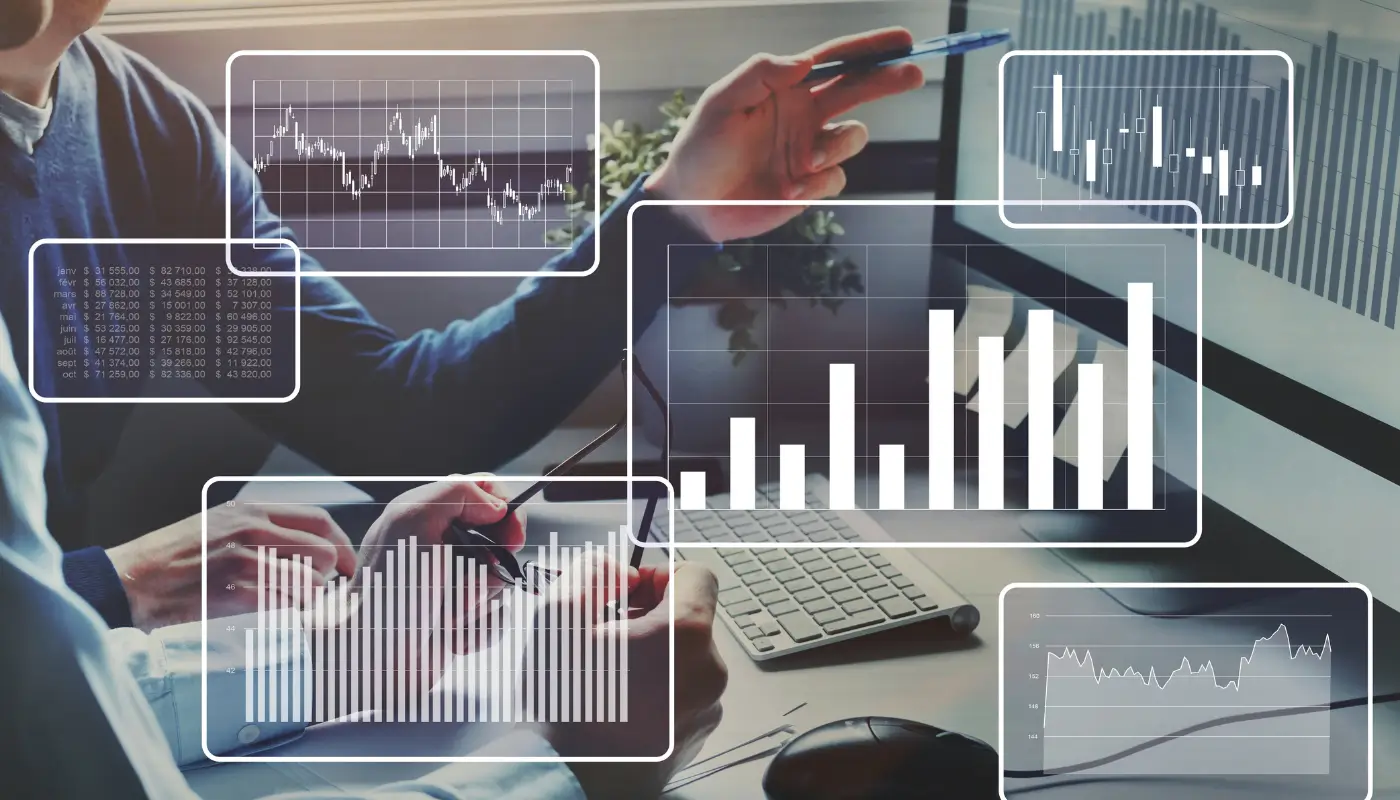
Spreadsheets
Although they are not the most efficient control method, they are a start. Anyone with spreadsheets has access to information!
One drawback is that a spreadsheet does not automate indicator analysis, but collects the data you need to manually calculate what you require.
In fact, spreadsheet tools such as Excel and Google Sheets allow you to create formulas for sums, sequences and other functions.
However, you need to know what you are doing to avoid mistakes when building formulas and ending up with incorrect data later.
Software
There is a good variety of software on the market today. This is something we expected a few years ago with the emergence and rapid growth of technology and artificial intelligence.
As they take over various sectors across the market, optimizing customer service and internal processes, they can also be used at different stages in a fleet.
For example, here at Prolog we offer a tire management system. Inspection data is entered in real time during collection (via Bluetooth), and the system processes and analyzes all that data, delivering information such as estimated useful life and retreading for each tire, as well as each tire's CPK.
Some systems use artificial intelligence to create better routes for your fleet's freight transport trips.
Other technologies focus on tracking cargo and deliveries, as well as various information about the vehicle's average speed, number of harsh braking events or moments of excessive acceleration, among others.
All of these focus on vehicles and trips themselves. However, you can also find software to plan company finances, control the foreign trade supply chain, etc.
Three very popular software options include:
ERP
ERP stands for “Enterprise Resource Planning.” This type of system is considered the most complete. Even though some features are missing, it can cover some of the most important functions.
These include fleet control, warehouse and/or inventory management, employee and supplier management, tax integration and documentation control. Depending on the system you choose for your business, it may have more or fewer functions.
It is advantageous for those seeking to centralize more functions and have fewer systems. However, in most cases you need to complement it with tracking and tire management technologies, for example.
Digital checklist
The electronic checklist (or digital checklist) is a great help for the entire team that needs to participate in and keep track of the vehicle inspection process.
While it is better and more practical for drivers to complete the check using a phone in one hand and inspecting the vehicle with the other, mechanics receive the issues recorded in the inspection in real time (including photos when necessary) and can start working immediately.
Finally, fleet managers do not need to analyze list after list to find patterns or issues and understand the vehicles to make purchase or replacement decisions. They simply access the system and open reports that meet their current needs, or customize their own report.
Tire management
Tire management is also not usually a function offered within other management systems. This is because it has the very specific (and extremely important) function of collecting information about fleet tires.
As tire inspection is carried out, data is entered into the system and a calculation takes place to determine:
- the tire's current condition;
- the need for calibration;
- possible reasons causing excessive wear;
- possible solutions to avoid premature casing loss;
- among many other data points.
As with the digital check, managers simply access the system and choose their preferred report to analyze tires. Or they can access the dashboard, if they choose Prolog for their operation, and explore all the available information.
Fleet performance progress
To understand how fleet performance is truly progressing, you need to know what you want to measure and then determine the necessary indicators.
To give a clearer example, if your objective is to save fuel, you can work with monthly goals such as “reduce the average consumption of X vehicles by X%.” To measure whether you are achieving this, you need a fuel management system, vehicle tracking and an electronic checklist.
This combination will provide the necessary information on how much fuel was added, how much was spent, how the driver behaved on the road and whether the vehicle had any issues before or after the journey.
Other information you can measure in your fleet to analyze overall performance includes productivity, maintenance, tires and fines.
Explore our YouTube channel for even more fleet management tips:
(video in Portuguese)
Frequently asked questions
Which tools can be used to collect and analyze fleet data?
Are spreadsheets suitable for fleet data analysis?
Can ERP handle fleet management on its own?
What data does a tire management system calculate?
How can fleet performance progress be measured?
// newsletter
Fleet management content, straight to your inbox
Articles on tires, maintenance and fleet operations. No spam.