Truck fuel filter: replacement and symptoms
 Jean Zart 4 min read
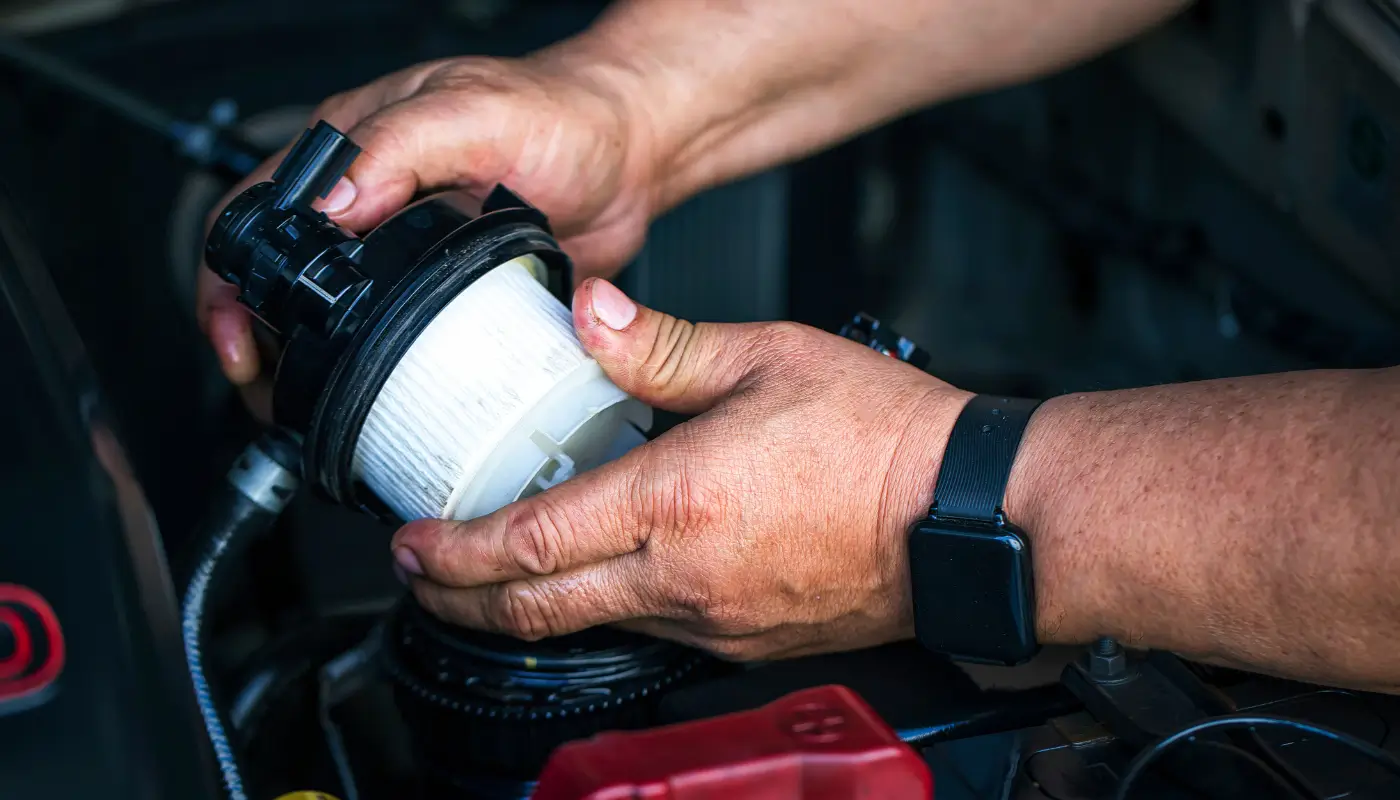
The fuel filter is one of the key components for a truck to run properly.
Usually located between the fuel tank and the engine, this type of filter is meant to remove impurities, such as dust, dirt and rust particles, that can damage the engine components.
Over time, the filter can become dirty or clogged, affecting vehicle performance and increasing the risk of failures. That is why it is crucial to know when and how to replace it.
Read on:
- How do you change a truck's fuel filter?
- When should this change be made?
- What are the symptoms of a dirty fuel filter?
How do you change a truck's fuel filter?
- Prepare the area and the tools
The truck should be on a flat, safe spot, and the tools needed include an adjustable wrench, a screwdriver, a container to catch any fuel that leaks and the new filter.
- Depressurize the fuel system
Before starting the replacement, it is important to depressurize the fuel system to keep fuel from leaking uncontrollably. This can be done by shutting off the fuel pump and letting the engine run until it stops.
- Locate the fuel filter
On trucks, the filter is usually located along the fuel line, between the tank and the engine. Check the truck's manual to find exactly where the filter is.
- Remove the old filter
Loosen the fuel filter connections with the appropriate wrench and remove it carefully. Be prepared for some residual fuel to leak and keep the container ready to catch the excess.
- Install the new filter
Check the flow direction marked on the filter and install the new filter. Tighten the connections firmly, but without overdoing it, to avoid damaging the filter or causing future leaks.
- Bleed the system and check for leaks
After installation, bleed the fuel system, that is, remove the air, before starting the engine. On systems with manual bleeding, the procedure may involve opening the bleed screw at the base of the filter and operating the filter's primer lever or button, if equipped; follow the truck's manual. Do not try to start the engine while bleeding is in progress.
After bleeding, start the truck's engine and look for any leaks around the filter. If you notice a leak, shut off the engine and check the connections.
- Dispose of the old filter
The old filter should be discarded in an environmentally responsible way. Take it to a recycling center or to a repair shop that handles the proper disposal of automotive components.
When should the fuel filter be changed?
This filter should be changed regularly to avoid problems with the truck's performance. In general, the recommendation is to make this change every 30,000 to 40,000 km, but this can vary depending on the vehicle's operating conditions and the fuel type used.
Trucks that operate in severe conditions, such as dirt roads, or that use lower-quality fuels may need more frequent changes.
That is why it is important to include the fuel filter check in the checklist for regular vehicle inspection, making sure it is always in good condition.
What are the symptoms of a dirty fuel filter?
When this filter is dirty, it can cause several problems in the truck. Among the most common symptoms are:
- Loss of power: if the truck loses power when climbing a hill or in situations that put more load on the engine, a dirty fuel filter may be limiting the amount of fuel that reaches the engine.
- Hard starting: if the truck has trouble starting, it may be a sign that the fuel filter is clogged, restricting fuel flow to the engine.
- Engine misfires: intermittent engine misfires, such as sputtering or rough running, are other signs that the filter may be compromised.
- Higher fuel consumption: a clogged filter can make the engine work harder to make up for the lack of fuel, which increases consumption and reduces the vehicle's efficiency.
- Warning light on the dashboard: in some cases, a dirty filter can cause the check engine light to light up on the dashboard, indicating an issue that needs to be resolved.
As soon as you notice any of these signs, it is essential to assess whether the filter needs to be changed and, once again, we will repeat it: include this check in your regular preventive maintenance.
Want to avoid maintenance problems in your fleet? Download our free maintenance control spreadsheet and better organize your service intervals and component replacements.
Frequently asked questions
How do you change a truck's fuel filter?
How often should the fuel filter be changed?
What are the symptoms of a dirty fuel filter?
Where is the fuel filter located on a truck?
What should you do with a used fuel filter?
// newsletter
Fleet management content, straight to your inbox
Articles on tires, maintenance and fleet operations. No spam.