Truck suspension noise: causes and what to do
 Jean Zart 4 min read
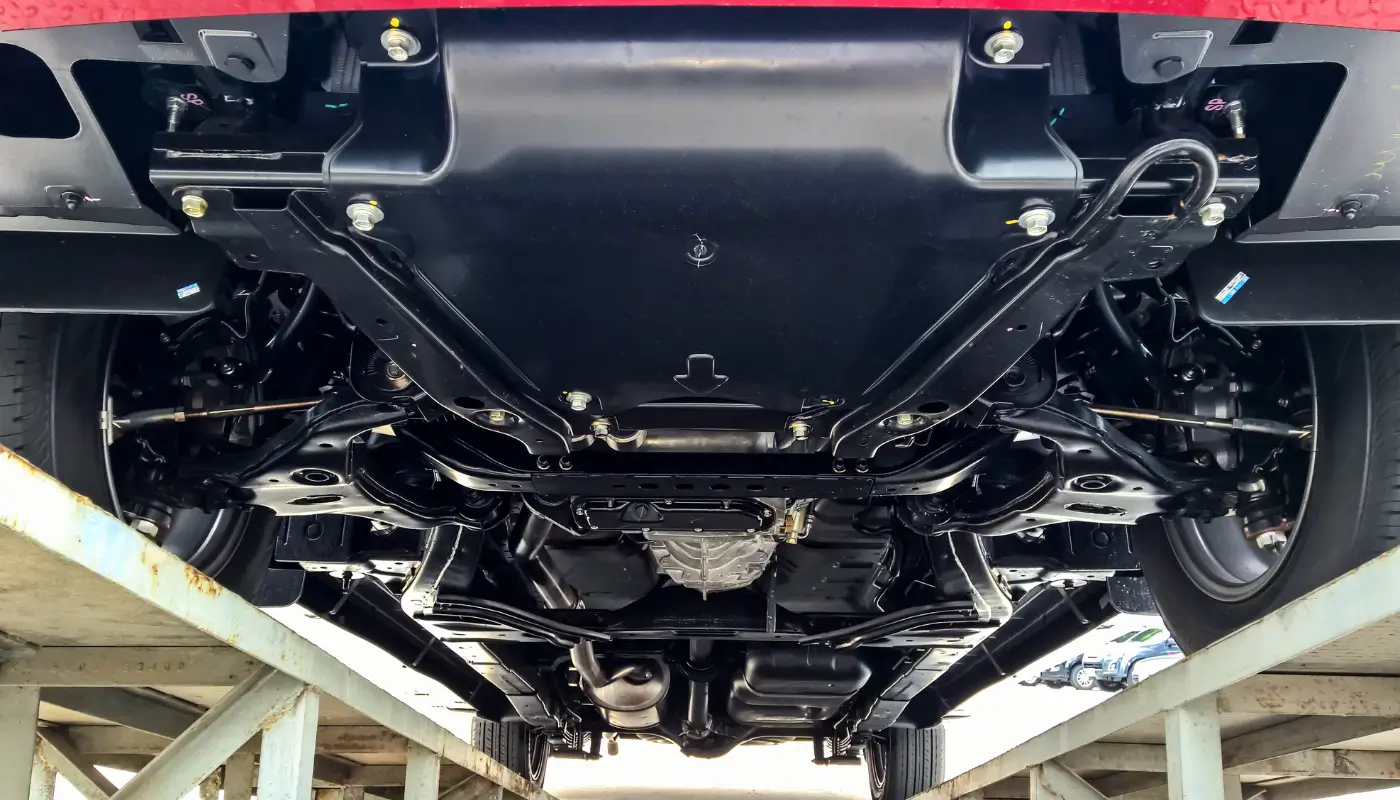
Truck suspension noise may indicate wear or failures in essential components, such as shock absorbers, springs and bushings. The sound type and the situation in which it appears help organize the initial check.
The suspension absorbs road impacts, contributes to vehicle stability and helps tires remain in contact with the ground. Over time and with constant use, assembly components such as bushings and shock absorbers may deteriorate and affect vehicle behavior.
Ignoring these signs may worsen the problem and affect truck drivability and safety. That is why it is important to act when you notice an unusual noise. Learn how to handle the situation:
- What to do when you hear truck suspension noise
- How to identify suspension noises
- What can make noise in the suspension
- What signs the vehicle shows when there are suspension problems
What should you do when you hear truck suspension noise?
When you start hearing suspension noises, take steps to prevent the problem from worsening. Here are some recommended actions to inspect the assembly and seek a repair without turning an improvised solution into a maintenance procedure:
Check the suspension components
Visually inspect the main suspension components, such as shock absorbers, springs, bushings and control arms. Look for apparent signs of wear, cracks, rust, leaks or loose parts before sending the vehicle for a more detailed assessment.
Component lubrication
Avoid applying a generic lubricant simply to try to silence the noise. The need for lubrication depends on the component, assembly type and maintenance procedure adopted by the fleet; so the first step is to identify the noise source and check whether there is technical guidance for that part.
During a long trip without immediate access to fleet maintenance, the safest approach is to record the incident, reduce the vehicle’s exposure to impacts and consider stopping for inspection. If the noise persists, increases or is accompanied by loss of stability, send the truck to a workshop along the route.
Road test
Perform a road test only on a safe road and if the vehicle shows no serious signs, such as obvious instability, abnormal lean or intense metallic noise. Note whether the noise appears over potholes, during turns, when braking or on uneven surfaces.
Take it to a specialist
If the cause cannot be identified or the problem seems serious, send the truck to a suspension specialist workshop. Qualified professionals have the knowledge and tools needed to diagnose and correct the problem accurately.
Avoid continuing to drive with the problem
Continuing to drive with compromised suspension can worsen the problem and cause more serious, expensive damage. So prioritize preventive maintenance, keep good incident records and do not ignore signs noticed while using the truck.
How do you identify suspension noises?
Some observations help describe the noise and the situation in which it occurs. Paying attention to the sound type and when it appears makes the description of the problem more specific:
- Pay attention to the sound type: it may be a creak, snap, metallic noise or hollow sound. Each noise type may indicate a different problem.
- Identify whether it appears in specific situations, such as going over speed bumps, cornering, braking or driving on uneven roads.
- Check components for wear, leaking shock absorbers, broken springs and worn or loose bushings.
- Consult the periodic inspection checklist and preventive maintenance schedule to check previous suspension-related records.
The checklist and schedule let you check whether there have been previous suspension problems that may be related to the current noise. Keeping maintenance records helps keep track of and schedule recommended services, as well as complementing visual component inspection.
What can make noise in truck suspension?
Different components can produce similar noises. Worn or oil-leaking shock absorbers, for example, may produce a dull knock when the truck travels over road irregularities.
Rubber or polyurethane bushings absorb impacts and prevent direct contact between metal components. When worn or dried out, they can cause snapping or creaking.
Broken or poorly seated springs may also make metallic sounds or sounds of improper compression, especially over potholes and speed bumps. Worn ball joints and loose control arms can produce noises on turns or during vertical suspension movement.
Bump stops can also make noise. When worn or damaged, they may produce a knock at the end of the shock absorber’s travel.
What signs does the vehicle show when there are suspension problems?
Besides noise, other signs may show that the suspension is compromised:
- uneven tire wear, which may indicate alignment or suspension problems;
- steering wheel vibration, especially at higher speeds, which may indicate problems in the suspension, alignment or steering system components;
- a feeling that the truck floats or loses stability on turns;
- excessive forward lean when braking, which may be related to worn shock absorbers;
- excessive lean to one side during turns, which may indicate spring or shock absorber problems.
Identifying and correcting these problems quickly is important to maintain fleet safety and avoid future cost increases. Deteriorated suspension components can gradually alter alignment, and misaligned suspension may contribute to uneven tire wear.
To keep track of fleet maintenance more accurately and efficiently, Prolog provides a free, practical, ready-to-use maintenance control spreadsheet (in Portuguese).
Frequently asked questions
What can cause truck suspension noise?
How do you identify the source of suspension noise?
Should I lubricate the truck suspension to stop the noise?
What signs indicate suspension problems besides noise?
Is it safe to keep driving with suspension noise?
// newsletter
Fleet management content, straight to your inbox
Articles on tires, maintenance and fleet operations. No spam.