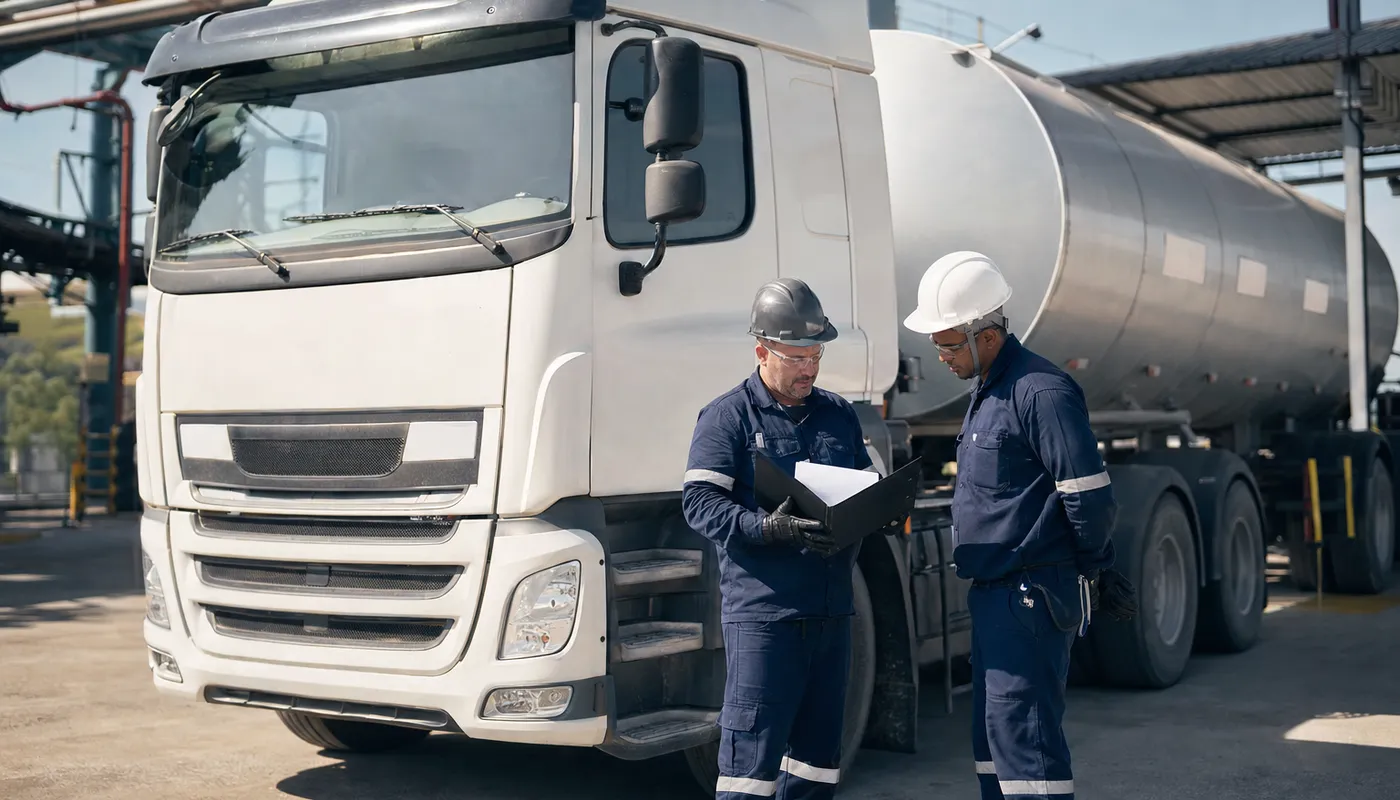
Vehicle performance: how to keep track of it in a fleet
 Jade Zart 5 min read

Staying informed about vehicle performance prevents accidents and fines and helps make full use of vehicle useful life.
Keeping track of performance is also important to identify issues early, allowing you to resolve them before they become bigger — and more expensive.
This applies to small businesses and large transport companies alike. Vehicle performance affects delivery times, transport quality and freight rates, and repair costs can also be a criterion in setting company prices.
With that in mind, here are some actions to help with this analysis:
Analyze how often the vehicle underwent corrective maintenance
Corrective maintenance tends to occur more often when a fleet lacks a consistent preventive inspection routine. In addition to creating vehicle idle time, potentially leaving it parked in the garage for days or weeks awaiting necessary repairs, it increases the cost involved in the process.
This happens for two reasons:
- Downtime without making deliveries creates the need to adjust other routes and vehicles to meet demand;
- Buying new parts and paying mechanic teams costs more than simply performing inspections and preventing issues in advance.
In other words, it is better to diagnose and correct an issue while it is still small. But there is one detail: even when prevention is up to date, the vehicle may still need repairs.
Either way, you need to understand how frequently the vehicle undergoes corrective maintenance.
There are a few options for this:
- Vehicle and maintenance control spreadsheet;
- Checklist system and its history;
- Repair shop invoices.
Whichever you choose, keeping records of the numbers and analyzing why the vehicle needed corrective work is important. Consider a situation like this:
When analyzing your transport operation, you notice that a single vehicle underwent corrective work 3 times in a month. Something is very wrong, right? Looking for an answer, you find that the vehicle went there for different issues.
This may indicate that the issue is not the vehicle, but a lack of care by the driver. What is the solution? Talk to this person and instruct them in defensive and economical driving.
In another scenario, if the vehicle underwent corrective work for the same reason every time, this indicates that its performance is very poor.
Along the same lines, you need to:
Keep track of overall maintenance cost per vehicle
Wear from use is natural for all vehicles, which is why fleets already have deadlines and budgets for fleet renewal. However, before buying new vehicles, you need to analyze whether it really is time to replace one.
That is:
Instead of using a fixed percentage as an automatic trigger, compare each vehicle's total cost over its life cycle. An approximate calculation considers purchase, operation, maintenance and downtime costs, subtracting end-of-life value; even so, there is no single formula that suits every fleet.
One way to keep track of maintenance cost per vehicle is to produce a preventive maintenance cost summary and, as mentioned above, record all repairs and replacements performed.
This information can help you understand how much money is being spent on each truck and make decisions about where to allocate resources.
This can be done with the same tools, such as the spreadsheet or software mentioned above.
You can also look at each truck's fuel efficiency and see whether any area can be changed to improve the performance of the vehicle in question. Sometimes a small tire calibration adjustment makes all the difference in a trip's economy and productivity.
Analyze vehicle performance through tire performance control
Tires are the only point of contact with the ground, so any small mistake in their management will affect vehicle performance.
Low pressure can cause skidding and delayed brake response, for example. High pressure can lead to a tire blowout on the road, among other unpleasant situations.
To start, tire pressure should be checked about once a week and always before long trips. Keeping it correct is important for the best fuel economy and longer tire useful life.
In addition, direct communication with drivers is important so they can report any issues they have while on the road. This will help you keep track of each truck's performance and make the necessary adjustments. This brings us to the next topic:
Communicate directly about vehicle performance with each fleet driver
One way to keep track of fleet performance is to communicate directly with drivers. The first step in driver management is informing them how important they are to your decision-making.
You can use all the best tools on the market and track all the information about vehicle location, average speed, completed checklists and time the vehicle was stopped during lunch breaks or the loading and unloading of goods.
But there is some very valuable knowledge that tools cannot give you: the drivers' knowledge.
They are your main point of contact with the vehicle. Rest assured that, when you talk to them, in most cases they can tell you exactly how it works, what issues it has, what could improve vehicle performance and which actions could bring those improvements.
That is why it is so important for them to inspect the vehicle and record information in the company's checklist.
Control fuel use
Although fuel prices are a nightmare for anyone trying to plan for the long term, constant adjustments, mainly increases, are beyond your control.
To keep waste to a minimum, it is important for fleet managers to have a clear understanding of how different parameters affect fuel consumption. You also need to know which actions you can take to control and even reduce costs.
Increased consumption often results from a vehicle malfunction. Possible issues include damaged spark plug wires, a faulty engine air filter or faulty ignition coils.
Performing preventive maintenance and noticing these issues before they affect vehicle performance is a way to optimize your transport operation and, as a positive consequence, generate fuel savings.
Some ways to exercise this control:
- Regulating speed, engine power or air conditioning use;
- Improving the vehicle maintenance process;
- Reducing load weight;
- Increasing fuel efficiency through correct tire calibration.
In many cases, the most effective approach is a combination of these measures. Your role here is to study and analyze fleet data to know which measures best fit the realities of your operation.
To keep going, watch our video on fleet KPIs and learn more about vehicle performance indicators as well:
(video in Portuguese)
Frequently asked questions
How do you keep track of vehicle performance in a fleet?
Why analyze corrective maintenance frequency?
When is it worth replacing a fleet vehicle?
How do tires affect vehicle performance?
How do you control fleet fuel consumption?
// newsletter
Fleet management content, straight to your inbox
Articles on tires, maintenance and fleet operations. No spam.