Bus fleets: 8 tips to reduce costs
 Luiz Felipe 3 min read
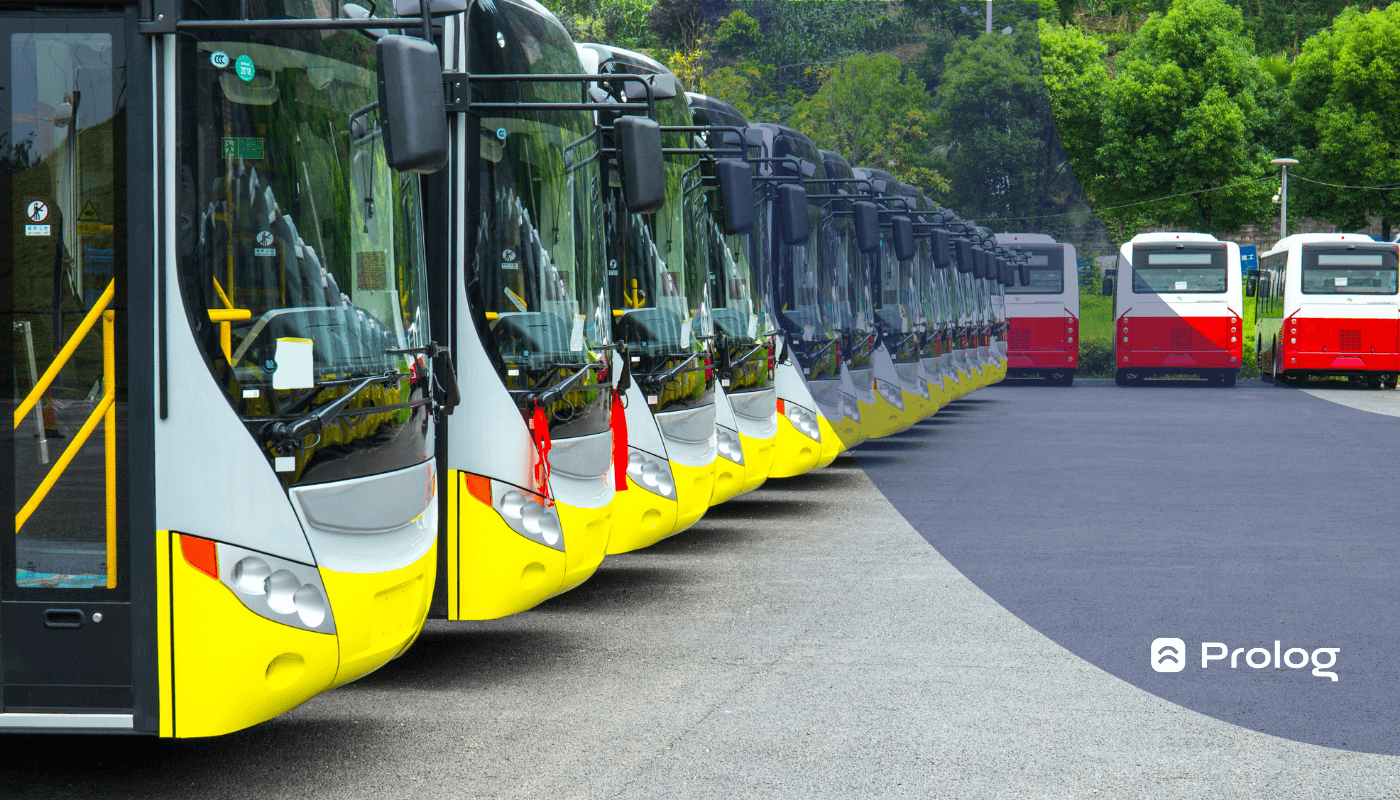
Reducing costs in a bus fleet requires control without losing sight of safety and the quality of service provided to passengers.
Public transport vehicles have an intensive usage routine and depend on planning for fuel, maintenance, tires, people and trips. When expenses are not consistently recorded, it becomes harder to understand where to act and compare periods.
Since passenger transport involves responsibility for the vehicle, team and public, saving should not mean postponing inspections or necessary services. The objective is to organize the operation to make decisions based on available records.
The practices below help structure this oversight. For another operational perspective, see these cost reduction tips for truck fleets as well.
Control income and expenses with a spreadsheet or software
Knowing the available budget, which expenses were recorded and which process they refer to is an essential part of planning. A financial control spreadsheet or management system can help bring these records together.
Detail needs to serve decision-making: define categories, responsibilities and a checking routine. This allows the team to compare periods, investigate variations and prevent any expense from remaining unexplained.
Know fixed and variable costs
Through control using software or a spreadsheet, you will have the opportunity to better understand what the fixed costs are, as well as the variable costs, in your transport operations.
This way, you will be able to investigate whether any fixed costs can be lower and the variation range for other costs. This generates more efficient and precise planning for the coming months.
Set savings goals
When an operation knows how much and when it spends, it can establish measurable goals for processes such as preventive maintenance, tires and refueling.
Attention: a savings goal does not authorize postponing necessary tasks. It should encourage better care, complete records and correction of the causes of waste, without lowering the safety standard.
Control fuel
Fuel control needs to record refueling, amounts, supplier and the identification defined by the company for each vehicle or trip. This data helps the manager check expenses and investigate variations that deserve attention.
Negotiations or agreements with fuel stations may make sense depending on the company's route and purchasing policy. Before adopting them, compare conditions, coverage and the process for accounting for expenses.
Establish tire management software
This is a tip that will generate long-term savings for your bus fleet. A tire management system will have a slightly higher initial cost, but acquiring it will be very rewarding.
By controlling tires better, following an inspection schedule, keeping calibration up to date and managing wear in general, you will be increasing component durability and reducing the need to replace (that is, purchase) new tires.
And we both know how expensive new tires are, right?
Optimize routes
Routes, schedules, stops and traffic conditions affect operational planning and the costs associated with each trip. That is why it is worth recording what was planned and what actually happened before concluding that a route should change.
Consider the trip time, traffic, necessary stops and service restrictions. With these elements, the team can assess the route offering the best balance for the reality of that service.
Train drivers
Driving can affect consumption, wear and safety, but any analysis should also consider the vehicle, road and operational conditions. Defensive driving is an important reference for training.
Drivers need to receive guidance and feedback on fleet policy, including driving practices, reporting issues and criteria for recording incidents.
Have a trip monitoring system
To check trip planning, the company needs to define how it records departures, stops, incidents and results. The usefulness of this oversight depends on a routine of analysis, not just information collection.
There are technologies on the market for this purpose that can record trip and driving information. If the company uses these resources, data should be read in the context of the route, vehicle and activity before guiding any action.
Here at Prolog, we want to make your bus fleet management easier. That is why we developed the best tire management solution: take a look (in Portuguese)!
Frequently asked questions
How can you reduce costs in a bus fleet?
Can a savings goal postpone maintenance in passenger transport?
Is tire management software worthwhile for a bus fleet?
What should be recorded in bus fleet fuel control?
How can you optimize bus routes without losing quality?
// newsletter
Fleet management content, straight to your inbox
Articles on tires, maintenance and fleet operations. No spam.