Truck fleet: management, costs and how to cut spending
 Jean Zart 6 min read
Managing a truck fleet requires looking at daily operations without losing sight of the long term. Every decision about availability, maintenance, people, costs and scheduling affects the ability to transport safely and meet customer agreements.
The job is not just keeping trucks on the road. Consistent fleet management organizes information to understand operating costs, recognize priorities and decide when to correct an issue, revise a routine or replace an asset.
This guide brings together the main points for structuring this routine:
- What a truck fleet is
- How to manage a truck fleet
- What costs are involved in truck fleet management
- How to reduce costs in your truck fleet
- Emerging trends for truck fleets
What is a truck fleet?
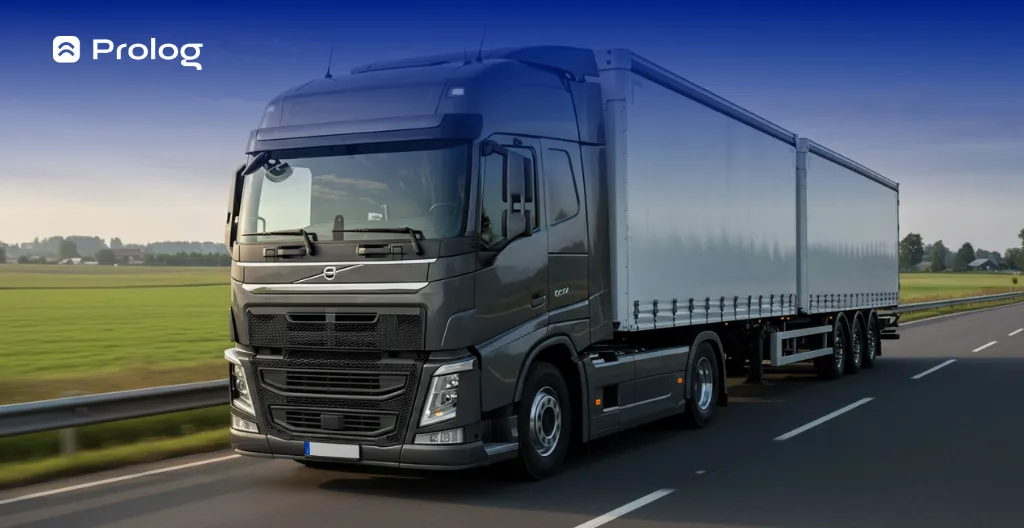
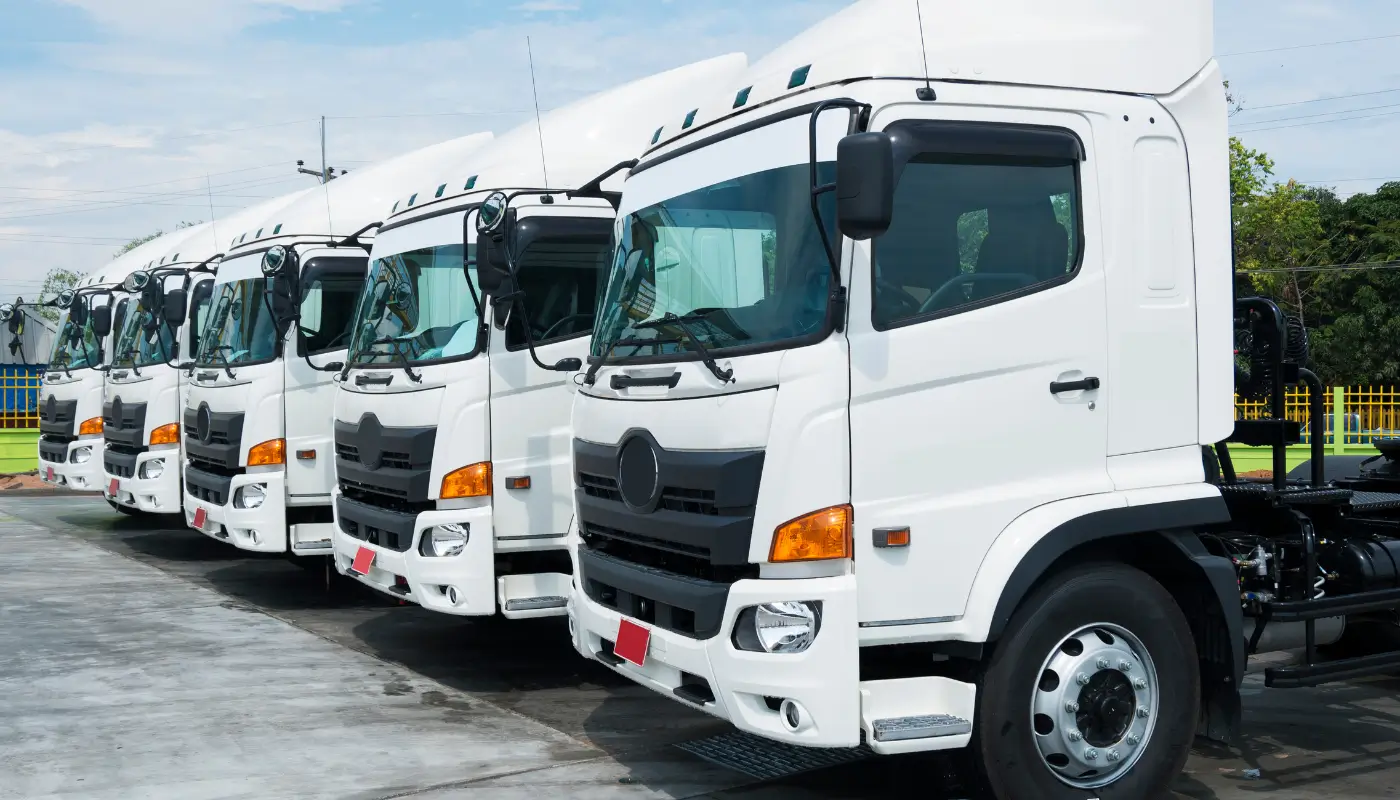
A truck fleet is the set of vehicles a company is responsible for and uses to transport goods, raw materials or products. It may include light, medium and heavy vehicles depending on cargo, route, operation and the contracting arrangements adopted.
Transport is only one part of management. The fleet also involves drivers, tires, maintenance, documents, refueling, scheduling and route planning. Each process needs responsible people and records so an issue is not noticed only when the vehicle is already out of service.
Fuel, maintenance, replacement, safety and sustainability are recurring topics, but their relevance varies from one operation to another. That is why the manager needs to analyze the fleet's own history and avoid using a generic rule as a solution for all trucks.
How do you manage a truck fleet?
Management starts with mapping the routine: which vehicles serve each activity, which inspections are needed, how maintenance is scheduled and which information should reach the responsible person. From there, the company can define procedures that are workable for people in the yard, workshop and operation.
Digital tools can organize forms, histories and reports. An electronic checklist, for example, can standardize an inspection and record findings for assessment. The tool only generates value when a person or team is responsible for analyzing the records and arranging whatever is needed.
Periodic training helps drivers and other professionals understand procedures for defensive driving, vehicle care, inspection and reporting issues. Training should be tied to clear rules and a channel for recording incidents, without shifting responsibility for a technical diagnosis to the driver.
Keep track of metrics that answer operational questions: cost per kilometer, consumption, service frequency and cost, vehicle availability and use are some examples. Before comparing periods or trucks, keep calculation criteria consistent and consider each vehicle's route type, cargo and application.
Route planning also deserves attention. Route planning solutions available in the market can help compare alternatives, but the decision needs to consider cargo restrictions, delivery windows, safety, documentation and actual operating conditions. A seemingly shorter route is not always the most suitable.
Performance indicators connect daily information to company goals. Define a few indicators that can be understood and used to act; a long list of numbers without anyone responsible or any review does not improve management.
What costs are involved in truck fleet management?
Truck fleet costs are usually organized into fixed and variable costs to make budgeting easier. The exact classification should reflect the company's financial model, but separating the groups helps explain what changes with vehicle use and what remains even in periods of lower activity.
Fixed costs may include acquisition or rental, insurance, depreciation under the chosen criteria, salaries and administrative overhead. Variable costs may include fuel, maintenance, tires, tolls, fines and trip-related expenses. The same item may be treated differently depending on the contract and company policy; document the rule before using the numbers for decisions.
The goal of cost control is not to cut every expense. It is to identify what changed, investigate the cause and choose an action compatible with safety and service quality. Budgets based on actual spending, with the period and cost center identified, are more useful than averages without context.
How can you reduce costs in your truck fleet?
Reducing costs requires care to avoid creating bigger maintenance, safety or availability issues. The measures below serve as starting points for investigating the fleet's situation, rather than promising identical results for every operation.
Measure spending
Start by gathering expenses by vehicle, period and category. Without this overview, a cut may hit the wrong part of the process. Also record the data source and the rule used in the calculation, so the report can be checked and compared later.
Establish a routine for review and analysis
Consistent fleet management keeps track of vehicle condition, services, tires and departure and return schedules. Inspections and workshop records help identify which assets need attention, without assuming a single piece of information describes the truck's entire condition.
Establish an analysis frequency and people responsible for each action. When a cost increases, investigate the context — route, cargo, asset condition, service performed and period — before deciding on a change.
Fuel station agreements
Refueling partnerships can be assessed by price, quality, location, payment terms and fit with the routine. The decision should not be driven only by the lowest advertised price: product, refueling process and expense records also influence the result.
When selecting partners, confirm that applicable requirements are met and keep documents and receipts organized. Compare equivalent proposals and check the agreement's effect on the fleet's actual budget before expanding the arrangement.
Plan around your available budget and set goals
Planning needs to start from the budget and the needs of the vehicles, cargo and routes served. After analyzing costs, define priorities and actions with a responsible person, deadline and way to track progress.
Objective goals are more useful than generic intentions. Rather than merely saying the company wants to save fuel, record which indicator will be observed, in which period, against which comparison baseline and which actions will be tested. If the measurement changes, the goal should make that explicit.
Ensure preventive maintenance is performed
Preventive maintenance organizes interventions before a failure causes unplanned downtime. It does not eliminate all issues, but creates a routine for checking components, recording services and analyzing each vehicle's history.
Maintenance data also supports replacement decisions. The company should consider cost, availability, truck condition and operational need, rather than using vehicle age alone as the criterion. Checklists and systems can make recordkeeping easier, provided the findings receive technical assessment and action.
Keep up with industry developments
New systems and practices can help reduce manual tasks, organize documents and improve record quality in truck fleet management. Before adopting a solution, define the issue it should resolve, the integration needed, who will use the data and how the result will be assessed.
Tools do not replace planning. They should support the processes the fleet has already decided to maintain and review, respecting each company's financial and operating capacity.
Emerging trends for truck fleets
Sustainability, new energy types, automation and data use remain topics of discussion in transport. Each topic's relevance depends on the truck's application, available infrastructure, feasible investment and customer or route requirements.
- Sustainability and energy alternatives
Vehicles and energy sources different from traditional fuels require technical, financial and infrastructure assessment before adoption.
- Artificial intelligence and data analysis
Solutions can support information organization and analysis, including approaches discussed in maintenance 4.0, but need to be assessed by data quality, explanations of recommendations and the process that will follow the analysis.
- Automation and IoT
Connected devices can expand the data available in an operation. The company should establish which information will be used, by whom and for which decision.
Efficient management of a truck fleet depends on routine, reliable information and continuous review. To explore organizational practices further, download the Fleet Management e-book (in Portuguese).
Frequently asked questions
What is a truck fleet?
How do you manage a truck fleet?
What are the costs of a truck fleet?
How can you reduce truck fleet costs?
What are the trends for truck fleets?
// newsletter
Fleet management content, straight to your inbox
Articles on tires, maintenance and fleet operations. No spam.