Why use an electronic tread probe in your fleet
 Jean Zart 7 min read
An electronic tread probe is a tool that is becoming indispensable to fleet operations, because it provides fast and more standardized measurements, overcoming limitations of traditional methods.
This technology allows fleet managers to have more organized information to analyze and make decisions about the best tires to buy, the right time to make a replacement, among other points of maintenance.
This helps keep tires in better operating condition, contributing to the fleet's safety and savings. In other words, you cannot fail to evaluate its use in your fleet's tire management.
See below:
- What an electronic tread probe is
- What the electronic tread probe is for
- How an electronic tread probe works
- The advantages of using an electronic tread probe instead of traditional methods
- How the electronic tread probe improves inspection accuracy
- What types of vehicles can use an electronic tread probe
- The average cost of an electronic tread probe and its return on investment
- How the data collected by an electronic tread probe can be used for the fleet's tire management and maintenance management
- How to train the team to use an electronic tread probe
What is an electronic tread probe?
An electronic tread probe is a digital device designed to measure the pressure and the tread depth of vehicle tires.
Unlike traditional methods, which often depend on manual tools and analog readings, the electronic tread probe uses sensors to provide faster and more consistent data on the condition of the tires.
They are generally equipped with a digital interface that displays the measurements in a clear and easy-to-read way, but they can also be programmed to send the data directly to a management system that will record and organize this information for you.
What is the electronic tread probe for?
The electronic tread probe serves to provide fast and more standardized measurements of tire pressure and tread depth, making preventive vehicle maintenance easier.
This makes it possible, for example, to detect irregular wear, inadequate pressure and other signs that a tire needs maintenance or replacement, helping to avoid unexpected failures and high emergency repair costs.
Keeping tires in good condition is also essential for transport safety.
In addition, maintaining the correct pressure and preventing irregular or excessive wear helps reduce fuel consumption and helps lower the emissions associated with the operation.
The electronic tread probe can also serve to send data directly to management systems, making it easier to identify wear patterns, forecast maintenance needs and make informed decisions.
How does an electronic tread probe work?
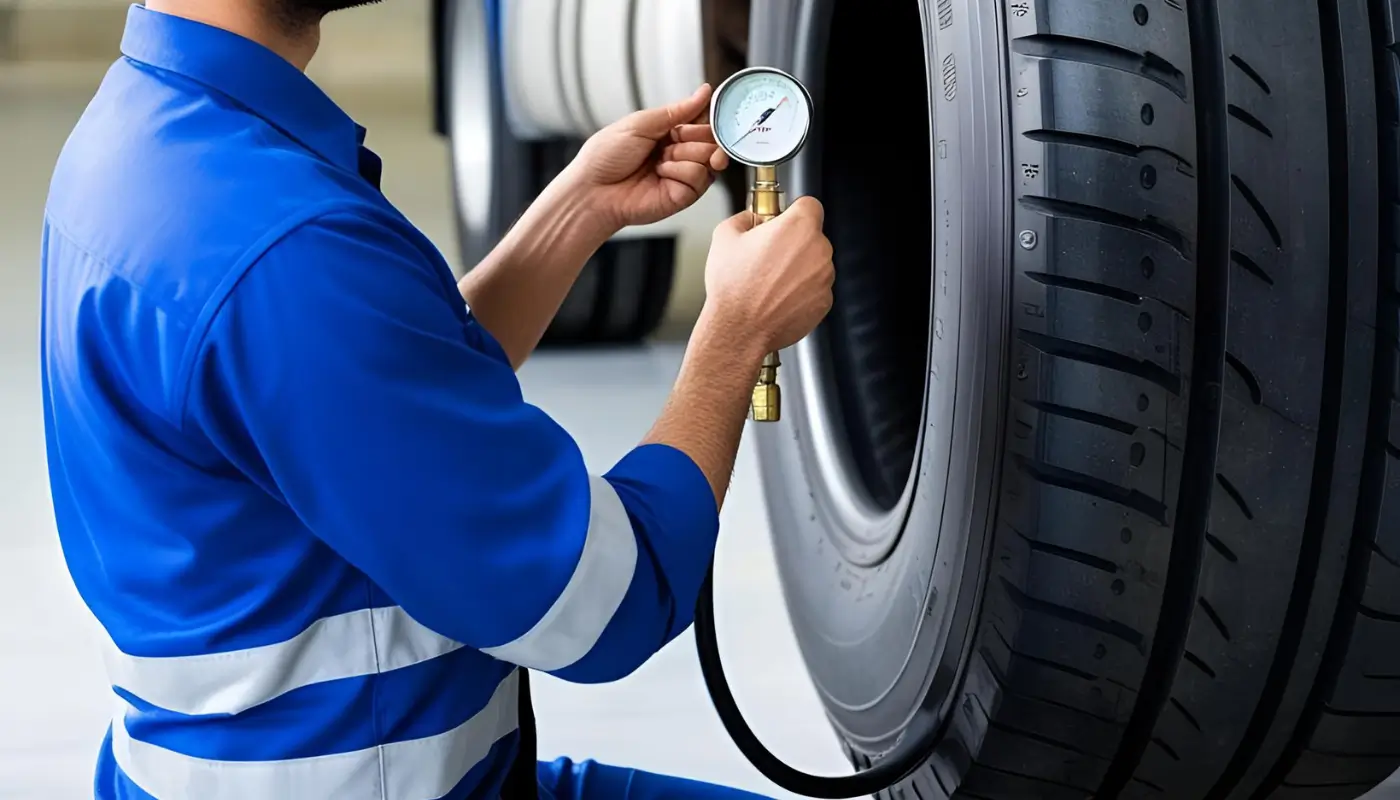
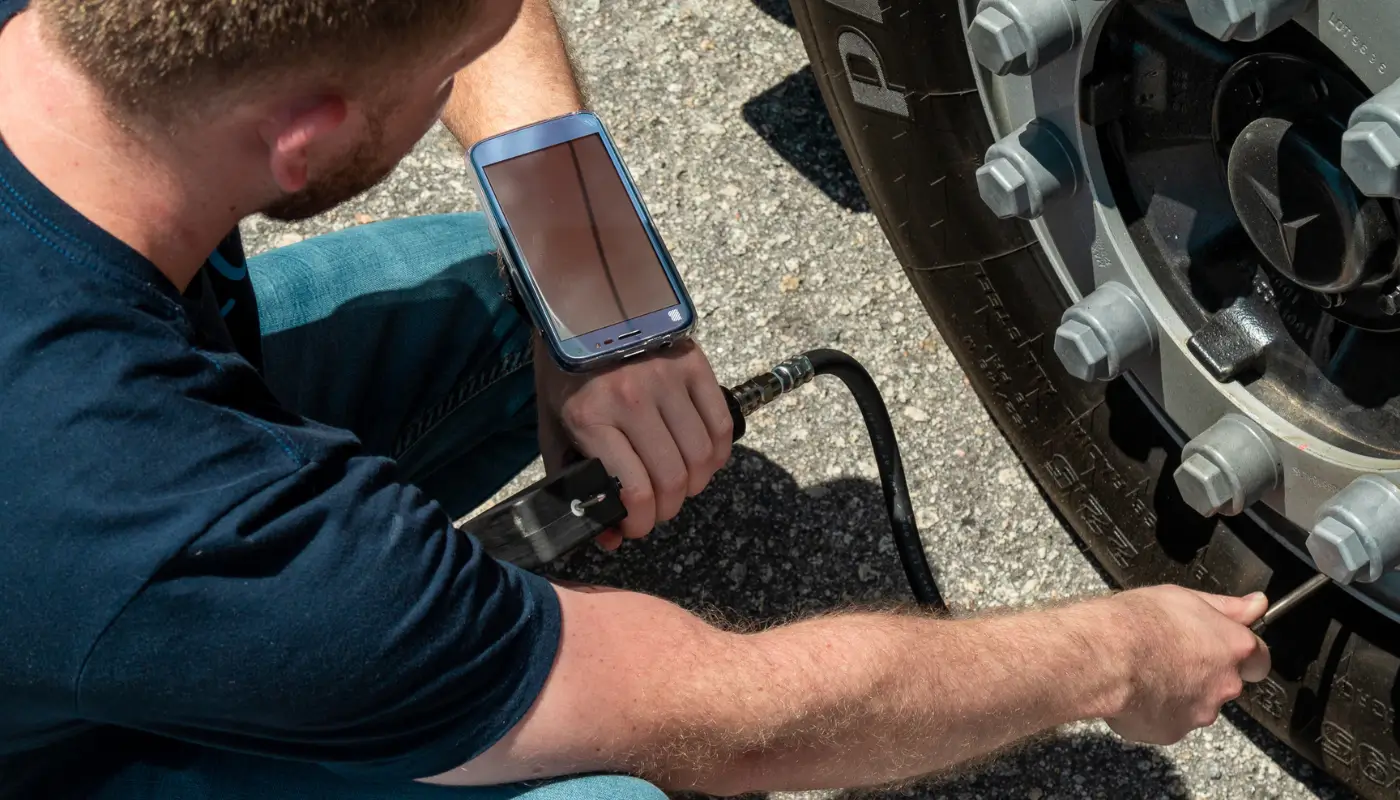
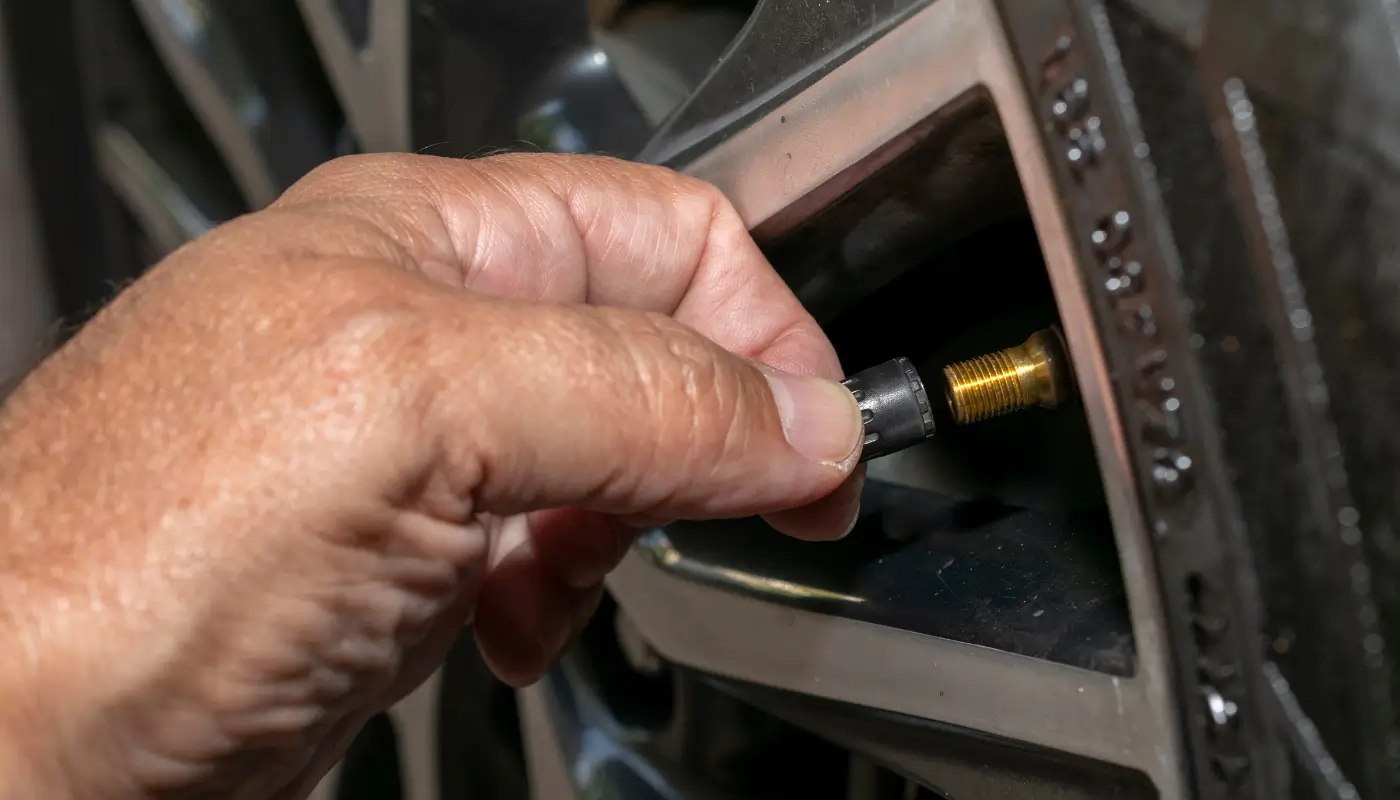
This device works with internal sensors that measure the pressure and the tread depth of the tires. To measure pressure, the equipment is connected to the tire valve and captures the internal pressure, generating the reading on the device.
To measure tread depth, the electronic tread probe has a probe that is inserted into the grooves of the tire's tread. Depending on the model and the integration available, the measurement information can be sent to the management system.
In the tire management system, the collected data is organized in a structured way, making it possible to keep track of the condition of each tire individually.
What are the advantages of using an electronic tread probe instead of traditional methods?
Precision and reliability
Electronic tread probes are equipped with sensors that help obtain more precise measurements of tire pressure and tread depth.
This reduces the margin of error common in manual methods, increasing the reliability and consistency of the readings.
Speed of measurement
Electronic tread probes take measurements quickly, allowing faster inspections than traditional methods.
This way, you reduce the time needed to check each tire, speeding up the inspection process and allowing teams to focus on other critical tasks.
Fast measurements also contribute to more efficient maintenance and less vehicle downtime.
Reduction of human error
With the automation of measurements and the digital recording of data, electronic tread probes reduce the human errors associated with manual reading and note-taking.
In this way, the overall accuracy of inspections improves, and the chance of failures that may occur due to transcription or data interpretation errors decreases.
Direct integration with the tire management system
Many modern electronic tread probes can be integrated directly with tire management systems, allowing the automatic transmission of the collected data.
This integration makes it easier to keep track of tire conditions, identify wear patterns and schedule preventive maintenance.
Data recording and storage
The detailed and organized recording of data within the system integrated with the device makes it easier to keep track of each tire's history, allowing trends to be identified and maintenance needs to be forecast.
How does the electronic tread probe improve inspection accuracy?
Electronic tread probes are equipped with sensors that measure tire pressure and tread depth in a more standardized way than manual reading.
These sensors help capture small variations, making the measurements more detailed and reliable for the fleet's routine.
In addition, as mentioned earlier, reducing manual reading and note-taking of the results lowers the occurrence of errors in the process.
What types of vehicles can use an electronic tread probe?
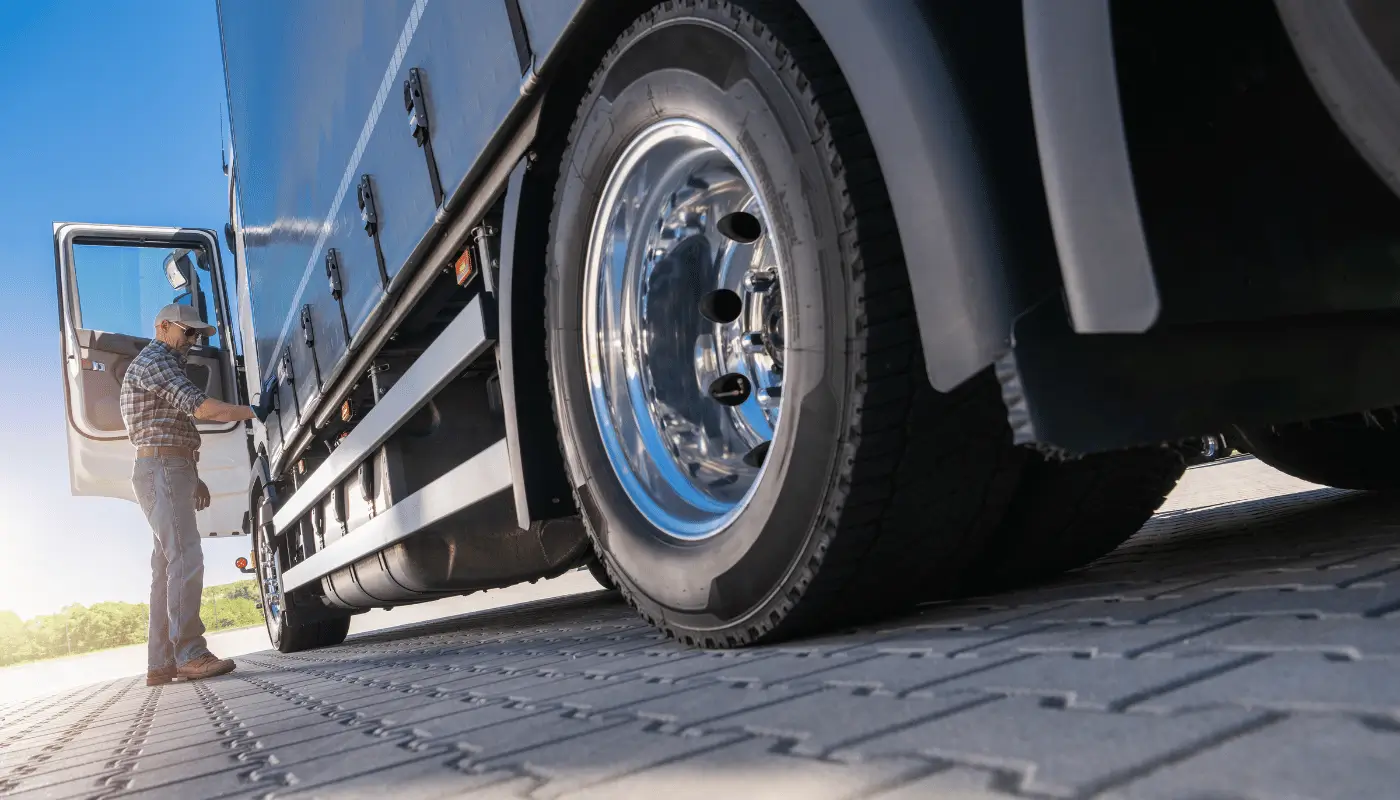
Many vehicles can use this tool, but the ones that benefit most from this type of control are trucks and buses.
Trucks, due to their weight and the long distances they travel, require regular tire maintenance. Besides ensuring the upkeep and durability of these assets, it is an activity that helps reduce fuel consumption and vehicle breakdowns.
Buses, both public transport and tour buses, need tires in excellent condition to ensure the safety of passengers and of transport operations.
This is also promoted by keeping tires in ideal running condition, which is achieved by keeping track of the pressure and wear of the parts.
What is the average cost of an electronic tread probe and its return on investment?
The average cost of an electronic tread probe can vary depending on the device's features, precision and make.
The financial return depends on the size of the fleet, inspection discipline, the quality of the records and the decisions made based on the collected data.
This is because well-cared-for tires can generate savings on different fronts, from the purchase and maintenance of the tires themselves to fuel and vehicle maintenance costs.
In general, investing in an electronic tread probe tends to make more sense when the operation uses the measurements consistently in maintenance planning.
How can the data collected by an electronic tread probe be used for the fleet's tire management and maintenance management?
The data collected by this tool is used mainly to keep track of tire conditions, periodically assessing their wear and performance. But it can also be useful in the fleet's purchasing and maintenance stage.
Planning preventive maintenance
The history of tire wear makes it possible to identify patterns and trends that allow interventions to be scheduled, avoiding unexpected stops and high emergency repair costs.
It also allows better planning of preventive maintenance, replacement of worn tires and correction of problems before they become critical.
Tire purchasing and inventory control
All this management also makes it easier to keep track of each tire's life cycle, helping to schedule the purchase of new tires at the right time and avoid excess inventory or a shortage of tires.
With precise data on tire wear and durability, you can optimize inventory, ensuring that tires are available when needed, without spending unnecessary resources on excess inventory.
Optimization of operating costs
Keeping tires at the correct pressure and with adequate tread depth reduces fuel consumption and minimizes premature wear, resulting in a more economical operation.
Reports and audits
The data recorded by the electronic tread probe can be used to generate detailed reports on the condition of the tires and the maintenance activities.
In this way, it is useful for internal and external audits, proving that the fleet complies with regulations and safety standards. It also makes it easier to analyze performance and identify areas that need improvement.
Integration with fleet management systems
The electronic tread probe's data can be integrated with tire and/or fleet management systems, providing a comprehensive view of the condition of the tires across the entire operation.
This makes it easier to keep track of tire conditions from one central place and to coordinate maintenance activities.
How to train the team to use an electronic tread probe?
To train the team in the use of an electronic tread probe, start with an explanation of the technology, its functions and benefits. Hold a practical demonstration, showing how to connect the device to the tire valve and use the probe to measure tread depth.
Allow each team member to practice using the tread probe under supervision to ensure familiarity with the equipment and consistency in the measurements.
By adopting the electronic tread probe and properly training your team, you favor more precise and efficient maintenance, increasing your fleet's safety and operational savings.
Talk to a Prolog App specialist and clear up all your questions about the electronic tread probe.
Frequently asked questions
My tires are lasting less than they should. What can measurement show?
What is the difference between the electronic tread probe and manual measuring tools?
How much does an electronic tread probe cost, and how does it pay for itself?
How to use the tread probe's data in the fleet's maintenance management?
What types of vehicles benefit most from an electronic tread probe?
How to prepare the team to work with the electronic tread probe?
// newsletter
Fleet management content, straight to your inbox
Articles on tires, maintenance and fleet operations. No spam.