Tire inspection: how often should fleets do it?
 Jean Zart 5 min read
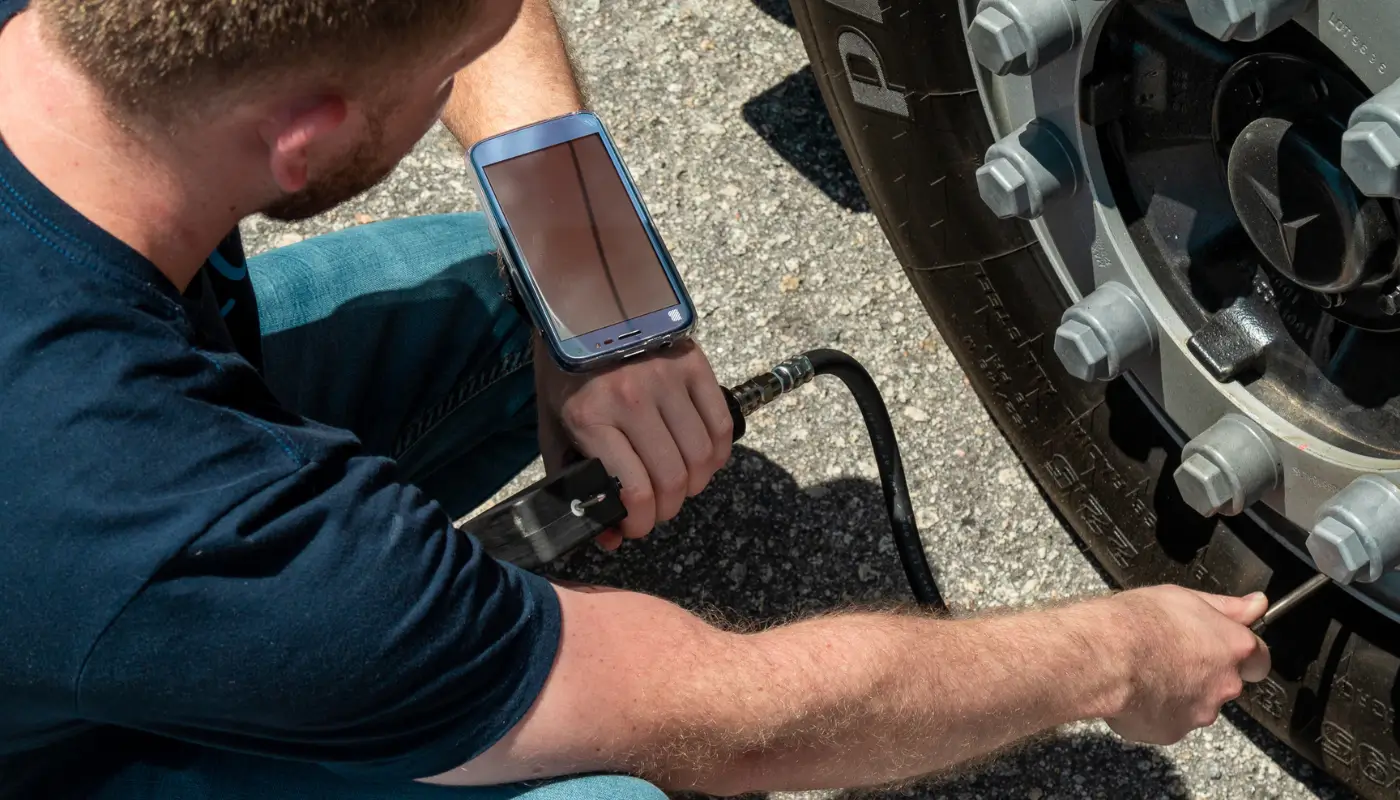
Carrying out tire inspection in the fleet brings many management benefits. These include better tire wear control, preventing tires from being disposed of before completing their useful life and optimizing fleet costs.
Tire inspection, or tire checking, is the process of measuring tire pressure and tread depth to ensure compliance with safety and efficiency standards.
Although often neglected in fleet operations because it is considered labor-intensive, this step is essential to avoid unnecessary costs and improve vehicle performance.
The traditional inspection process requires manual tools such as clipboards, pressure gauges and tread depth gauges. Depending on fleet size, this task can become repetitive and time-consuming.
However, the good news is that technological tools and a good inspection schedule make it possible to organize tasks better and allocate the required labor efficiently. Read on to understand:
- What tire inspection is and why to do it in your fleet
- Why managing tire inspection matters
- How to carry out fleet tire inspection
- How to build a tire inspection schedule
- Which tools to use to create a tire inspection schedule
What is tire inspection and why do it in your fleet?
Tire inspection consists of measuring and keeping track of fleet tire pressure and tread depth.
This procedure is essential to ensure tires are within the parameters recommended by manufacturers, as well as preventing accidents and fleet performance problems.
Why is managing tire inspection important?
Keeping tires in good condition is crucial to vehicle safety, since worn tires or tires with inadequate pressure can compromise stability and control during trips.
Fuel consumption efficiency is also directly related to tire condition. Incorrectly inflated tires increase friction with the ground, raising fuel consumption, while correctly inflated tires reduce consumption and increase operational efficiency.
Another important aspect of inspection is ensuring even tire wear. Regular checks prevent certain tires from being used beyond the ideal point, ensuring replacement or retreading takes place at the right time.
This not only extends tire useful life, but also reduces the risk of unexpected failures during fleet operations, minimizing maintenance costs and avoiding route interruptions.
How do you carry out fleet tire inspection?
Fleet tire inspection can be carried out in several ways, depending on operation size and available tools. Traditionally, inspection is done manually using pressure gauges to measure pressure and gauges to check tread depth.
Although effective, this method can be quite time-consuming, especially in larger fleets where there are many tires to inspect.
However, technological advances mean more modern systems are making this process easier. Electronic tools, such as digital tread probes, make measurement faster and more accurate, eliminating part of the manual effort.
Implementing a tire management system is also essential to ensure inspection makes sense within the operational routine.
Only efficient management can turn collected data into valuable information for decision-making.
Regularly reviewing inspections helps identify wear patterns, predict the ideal time for tire maintenance or replacement and adjust operations to maximize tire durability.
How do you build a tire inspection schedule?
To start your tire inspection schedule, the first step is to build an inventory of the operation’s vehicles and tires, if you have not already done so.
This list should include each tire’s identification number and its position on the vehicle. You will then have all the information needed to begin scheduling inspections and recording data.
What should the schedule include?
Your tire inspection schedule should contain the following information:
- Tire and vehicle identification (license plate)
- Tire position on the vehicle
- Mileage traveled
- Last inspection date
- Next scheduled inspection date
- Expected tire replacement or retreading
You can also add any other information you consider relevant for later analysis.
When should pressure and tread depth inspections take place?
In general, the recommendation is:
- Tire pressure inspection: 1x a week
- Tread depth measurement: 1x a month
- Analyze collected data and adjust frequencies when you find little or no variation, or excessive variations that hinder understanding of the problem’s causes.
Over time, as you collect and analyze data, you can adjust inspection frequency.
For example, if you notice tire pressure stays stable for a longer period, you can increase the interval between inspections.
Likewise, if tire wear is faster than expected, you can shorten the inspection interval to detect problems earlier.
Which tools can you use to create a tire inspection schedule?
To create and manage a tire inspection schedule, you can use different tool types:
Excel or Google Sheets spreadsheets
Spreadsheets are a simple solution for small fleets. They allow you to organize each tire’s information, set inspection dates and assign people responsible for each task.
In Google Sheets, sharing and collaborative editing also facilitate communication among the maintenance team.
Tire management software
For larger fleets, tire management software is highly recommended. These systems allow more detailed inspection control, generate automatic alerts for overdue inspections and enable reports based on collected data.
They are also more efficient at managing large volumes of information and ensuring nothing is forgotten.
Prolog App: a complete solution
Prolog is already known as a reference in tire management. Our system is the most complete on the market, and with it you can:
- Carry out tire relocation in inventory and on vehicles
- View asset wear levels
- View license plates with open work orders (WO)
- Control tire maintenance and services
- Analyze automated reports and customize them by operation, date and other filters
- Identify overdue inspections and the schedule for upcoming inspections
Prolog App also offers an electronic tread probe that measures tread depth and tire pressure conveniently and with 99% accuracy, making inspection easier.
In other words, everything you need to inspect tires and build a schedule, brought together in one solution.
Learn more in a complete, free demonstration with a Prolog specialist.
Frequently asked questions
How often should I inspect fleet tires?
What should a tire inspection schedule include?
Can inspections be managed in a spreadsheet?
What happens when inspection is neglected?
What is the electronic tread probe and what does it solve?
// newsletter
Fleet management content, straight to your inbox
Articles on tires, maintenance and fleet operations. No spam.