Engine overheating: stop and look for the cause
 Jean Zart 5 min read
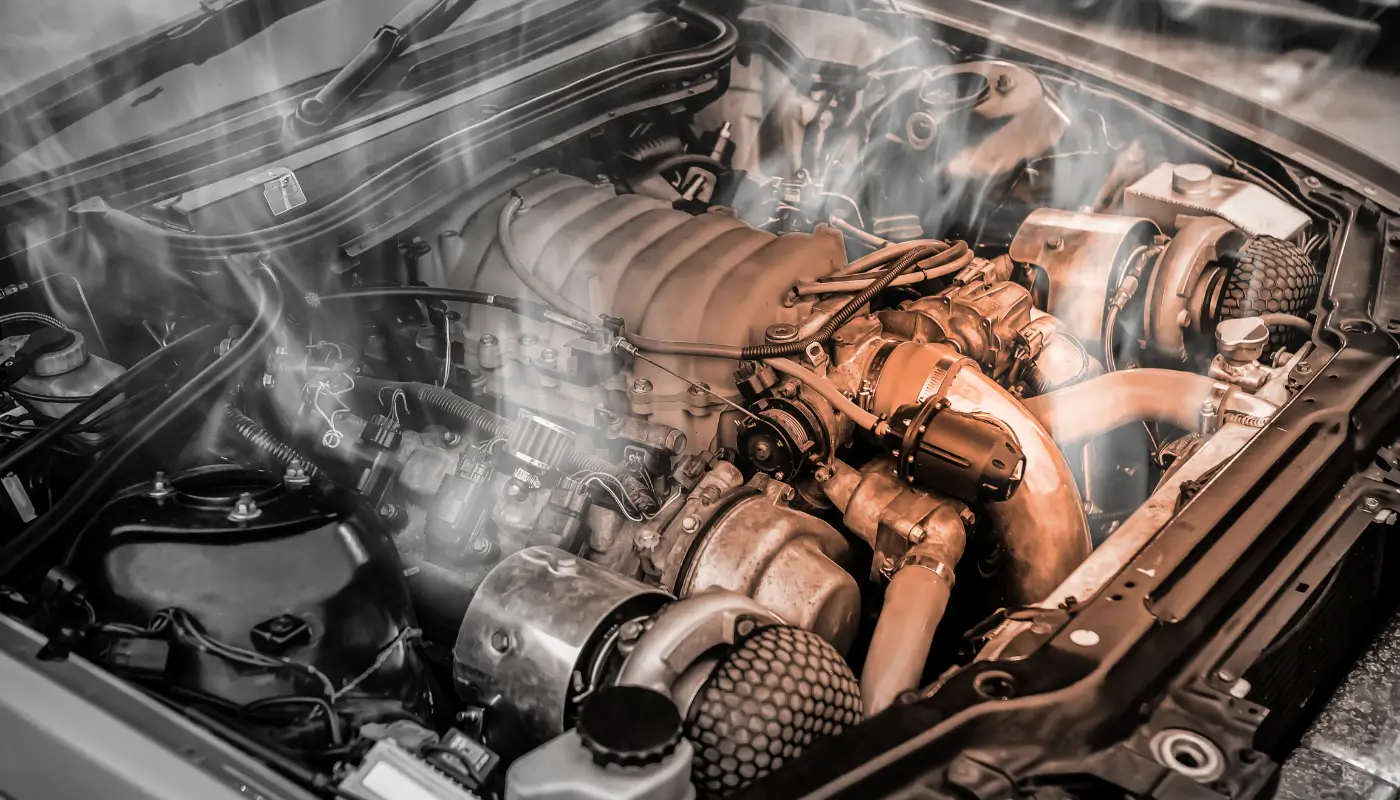
Engine overheating on the road is a problem that can happen with trucks, and the warning signs need to be read according to the dashboard and manual of each model: the coolant temperature light on, the temperature reading entering the critical range, loss of power, abnormal noise or even steam coming from the hood.
This type of situation can be caused by several factors, and it is essential to act quickly and safely to avoid serious damage to the vehicle and to the people around it.
When a truck engine overheats, the consequences can be serious, such as damage to the engine block, a blown head gasket and other problems that increase repair costs and fleet downtime.
That is why knowing how to act in these situations and understanding the causes of overheating is essential to ensure the safety and efficiency of the trip, without turning a momentary dashboard reading into permission to continue the trip without investigating the cause.
See below:
- What should you do when a truck engine overheats during a trip?
- What causes diesel engine overheating?
- How do you prevent engine overheating on the road from happening again?
What should you do when a truck engine overheats during a trip?
If you notice that the truck engine is overheating, the first step is not to panic, because the correct procedure can help avoid greater damage. Here is what to do:
- Stop the vehicle safely
As soon as you notice the signs of overheating, you need to find a safe place to park the truck, out of the flow of traffic whenever possible. It is important to avoid stopping in the middle of the road, especially on high-speed roads.
So is turning on the hazard lights and making sure the truck is in a place where it does not pose a danger to traffic.
- Turn off the engine
Turning off the engine is essential to keep the problem from getting worse when there is an indication of overheating or steam. This will help avoid permanent damage to the engine, such as ruptured hoses or wear on the engine block.
- Wait for the engine to cool down
Do not open the cooling system cap, and do not try to handle hot components immediately after turning off the engine, because the hot steam and the coolant may be under high pressure and cause serious injuries. Wait for the engine to cool down before checking the components under the hood, following the vehicle's manual and the fleet's safety guidelines.
- Check the coolant level
After the engine cools down, the coolant level can be checked. If it is below normal, the driver will top it up with the appropriate fluid, always following the manufacturer's recommendations.
Water or fluid should never be added while the engine is still hot, as this can cause cracks in the engine block and also increases the risk of contact with pressurized coolant or steam.
- Look for leaks or visible problems
You can use the time spent waiting for the engine to cool down to check, keeping a safe distance if there is steam, whether there are visible coolant leaks, damaged hoses or problems with the radiator fan. This can give an initial idea of what may be causing the overheating.
- Continue the trip with caution
If the temperature returns to normal, this should not be treated as a diagnosis that the problem is solved. Before continuing the trip, check the truck's manual, record the occurrence according to the fleet's procedure and assess the need for support from maintenance or a repair shop along the route. If the problem persists, comes back frequently or there is a leak, steam, abnormal noise, loss of power or a fan that does not work, it is best to seek mechanical assistance before continuing.
What causes diesel engine overheating?
Truck engine overheating can happen for several reasons, and understanding the causes can help prevent future occurrences. The main reasons include:
- Low coolant level: it can be caused by leaks or by the lack of regular top-ups of the fluid.
- Radiator fan problems: the fan is responsible for cooling the engine by blowing air over the radiator. When it is defective or does not kick in as it should, the engine temperature can rise quickly.
- Water pump defects: the pump is responsible for circulating the coolant through the engine. If it has problems, the fluid will not be able to circulate with the flow needed to cool the engine efficiently.
- Defective thermostat valve: it regulates the engine temperature by controlling the flow of coolant. If it is stuck or broken, it can prevent the engine from cooling properly.
- Clogged or damaged radiator: clogging can compromise the cooling system by preventing proper circulation of the coolant, while structural damage can cause fluid leaks.
How do you prevent engine overheating on the road from happening again?
Preventing a truck engine from overheating again requires a few simple but effective preventive actions. Instead of focusing only on correcting the symptoms, it is essential to treat the root cause of the problem.
The best way to reduce the risk of overheating is to carry out periodic preventive maintenance on the cooling system, because proper engine maintenance can optimize fuel consumption, extend the engine's useful life and reduce emissions.
Checking and changing the engine coolant regularly, as well as inspecting the water pump, thermostat valves and fans, can help detect and correct problems before they cause damage.
In addition, making a habit of checking the coolant level before starting a long trip can prevent surprises in the middle of the road. It is a simple task, but one that can make a big difference.
To make sure your fleet is always in perfect running condition and to avoid problems such as engine overheating, get to know Prolog's maintenance solution. Schedule a free demo to understand how implementation works in your fleet.
Frequently asked questions
What are the signs of engine overheating?
What should you do when a truck engine overheats on the road?
What causes diesel engine overheating?
Can you top up the coolant with the engine hot?
How do you prevent the engine from overheating again?
// newsletter
Fleet management content, straight to your inbox
Articles on tires, maintenance and fleet operations. No spam.