Fleet availability: calculation and 6 indicators
 Jade Zart 4 min read
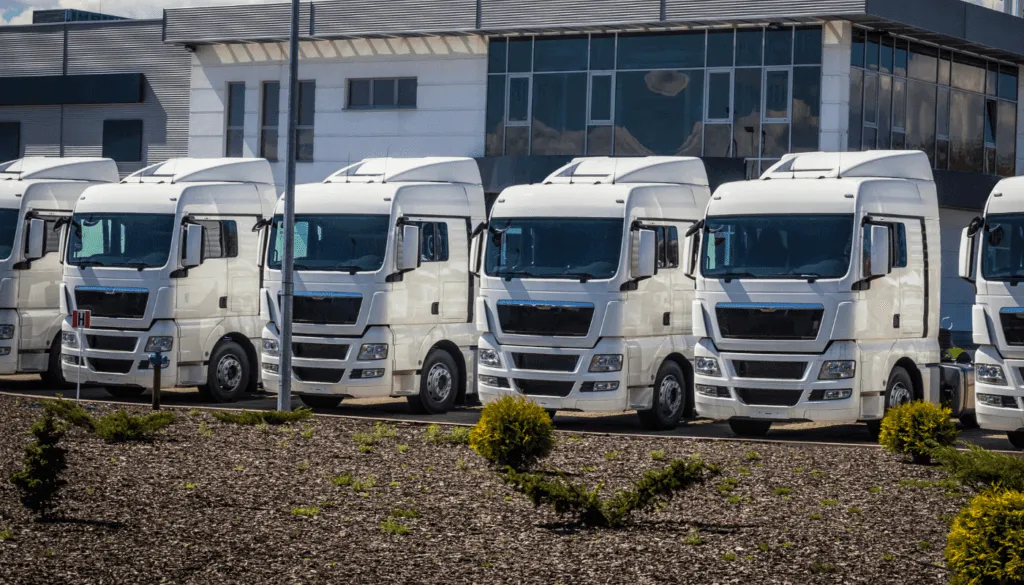
Fleet availability indicates which vehicles are ready to complete routes safely in a company’s transport operations.
This metric can be influenced by several factors, including preventive maintenance and drivers’ driving styles.
The idle rate, representing the time vehicles remain stopped for maintenance, is also directly linked to fleet availability.
It is therefore essential to understand availability indicators, calculate this rate and adopt strategies to optimize operations.
Below, you will find:
- What fleet availability is;
- The importance of fleet availability;
- Factors that cause an idle fleet;
- How to calculate the availability rate;
- Vehicle availability indicators;
- How to control and increase the availability rate.
What is fleet availability?
Fleet availability refers to the proportion of fleet vehicles ready and available to complete routes safely. This means these vehicles have undergone preventive maintenance, are in good condition and are operationally viable.
A clear understanding of vehicle availability helps ensure transport operations run without interruptions, delays or incidents.
Effective availability control allows companies to make informed decisions about which vehicles to use on particular routes and when to perform maintenance, contributing to a more efficient, economical operation.
Why is fleet availability important?
When fleet vehicles are available and in suitable condition, the company can maintain delivery schedules, meet customer demand and optimize operational efficiency.
This leads to lower costs and sometimes profit maximization, as well as increased customer satisfaction.
Another reason fleet availability matters is greater road safety, since well-maintained vehicles are less likely to cause accidents due to mechanical failures.
Want to see this in your fleet? Talk to a Prolog specialist
What factors cause fleet idleness?
An idle fleet can result from several factors affecting vehicle availability. Among the main reasons are a lack of preventive maintenance, leading to frequent mechanical problems, and the absence of an adequate maintenance plan.
In addition, aggressive or inefficient driving can cause premature vehicle wear, resulting in more downtime.
Inventory management failures and a lack of spare parts needed for maintenance can increase vehicle unavailability. Identifying and addressing these factors is essential to reduce fleet idleness and improve operational efficiency.
How do you calculate fleet availability?
For this calculation, consider the total number of fleet vehicles, then subtract the number inactive due to maintenance or other reasons.
The result can be expressed as a percentage and represents the number of vehicles available and ready for use.
The formula for calculating fleet availability is:
Fleet Availability = (Total number of vehicles – Number of inactive vehicles) / Total number of vehicles
As a numerical example, a fleet of 100 vehicles with all of them available has fleet availability of 100%. However, if this same fleet has 10 vehicles stopped or unusable, the availability rate falls to 90%.
Remember that the higher this rate, the better your operation’s performance and ability to meet company demands.
What are the fleet availability indicators?
These indicators provide valuable insights into vehicle status and the fleet’s ability to meet operational demands.
Some of the main fleet availability indicators include:
- Availability Rate: calculates the percentage of vehicles ready to run. The higher the rate, the better fleet availability.
- Mean Time to Repair: measures how long a vehicle spends in repair before returning to operation. A shorter time is desirable.
- Idle Rate: indicates how long vehicles remain stopped or inactive. A low rate signals high availability.
- Percentage of Vehicles in Preventive Maintenance: tracks how many vehicles regularly undergo preventive maintenance, helping avoid unexpected failures.
- Unavailability Time: measures the total time vehicles remain out of operation due to repairs or unscheduled maintenance.
- Mechanical Incident Rate: calculates the frequency of mechanical incidents, such as engine or transmission failures.
How do you control and increase fleet availability?
Manage vehicles in a standardized way
To manage your fleet in a standardized way, create a standard procedure covering aspects such as pre-departure inspection, incident recording and problem reports in work orders.
Make sure everyone on the team knows these standards and follows them correctly.
Maintain a preventive maintenance routine
Implementing a preventive maintenance routine is one of the keys to controlling fleet availability.
This involves regular scheduled maintenance, servicing and inspections.
Ensure all vehicles undergo this maintenance, which will help avoid unexpected failures and keep vehicles in good working condition.
Establish indicators to track
Establish metrics such as availability rate, mean time to repair and unavailability time. These are some maintenance indicators that provide valuable information about fleet performance.
Analyze data consistently
Regularly track established indicators and analyze the collected data, identifying trends, patterns or areas for improvement.
Consistent analysis allows you to take proactive measures to optimize fleet availability and efficiency.
To make this control easier and faster, you can also adopt a maintenance management system offering comprehensive features to keep track of each vehicle’s status, plan and perform preventive maintenance routines and manage fleet inventory.
Contact us for a free system demonstration and start improving your fleet’s availability now.
Frequently asked questions
What is fleet availability?
How do you calculate the fleet availability rate?
What causes fleet idleness?
Which indicators should you track to measure availability?
How do you increase fleet availability?
Why does availability matter to the operation?
// newsletter
Fleet management content, straight to your inbox
Articles on tires, maintenance and fleet operations. No spam.