Fleet fuel savings: maintenance, tires and goals
 Luiz Felipe 5 min read
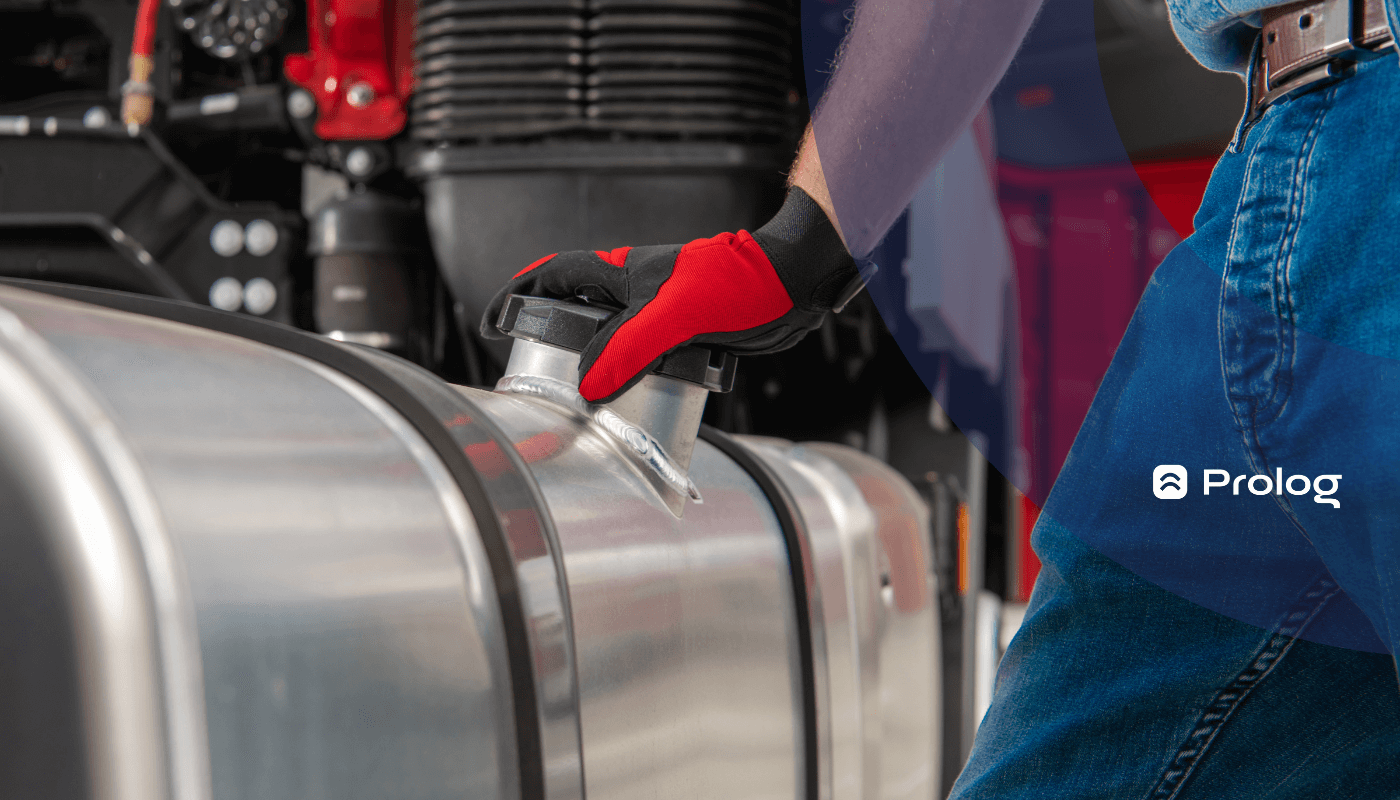
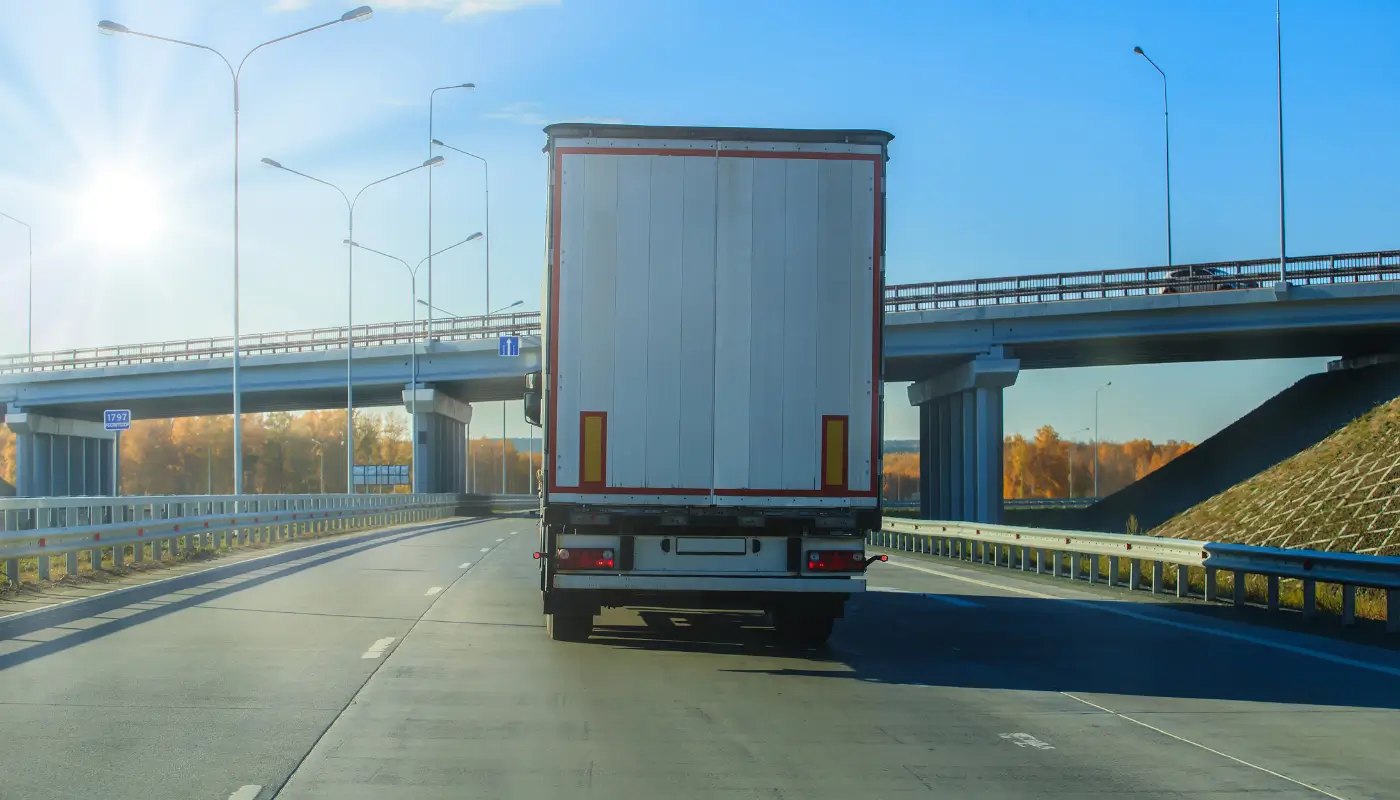
Reducing consumption and achieving fuel savings in a fleet is a major challenge, especially for heavy vehicles.
This is because the greater the vehicle and load weight, the harder the engine works. Consequently, more fuel is burned as well.
Since fuel savings are one of the main goals of transport operations, you should keep this goal in mind in your planning too, right?
So, in this post you will learn not only how to achieve fuel savings, but how to set and calculate your cost reduction goal more accurately. Explore:
- How can you achieve 4% fuel savings in your fleet?
- What is the role of vehicle maintenance?
- How does tire management allow you to save fuel?
- How do you set a fuel savings goal?
How can you achieve 4% fuel savings in your fleet?
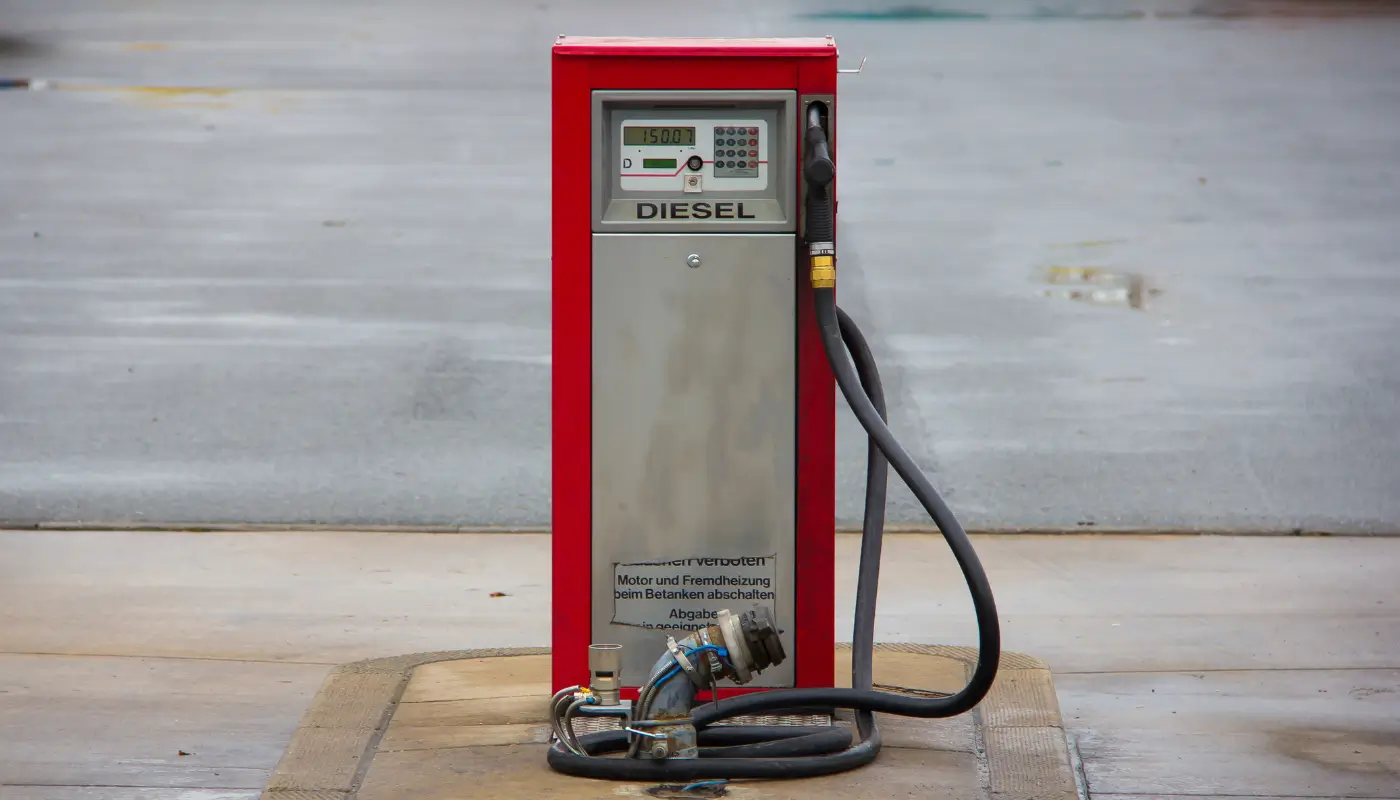
There are several actions you can take in the fleet to increase fuel savings, such as establishing partnerships with fuel stations and acquiring a means of refueling control.
However, some actions you might not expect also have a major impact on reducing this cost.
According to Flávio Lira, administrative and financial manager at MC Transportes LTDA, these were the actions that helped the company's operations save 4%, or even more, on fuel.
- Vehicle maintenance
By applying a maintenance management system to the fleet, you maintain a more appropriate inspection schedule and gather important information.
This includes which vehicle items generate the most issues and which drivers have the most incidents in their records.
This way, you understand vehicle and driver behavior, identifying when there is inappropriate driving behavior or advanced issues in the vehicle's structure.
For example, an issue with worn tires may indicate that the vehicle needs a more detailed suspension analysis or that drivers should stop harsh acceleration and braking.
However, not all maintenance management systems offer digital checklists. This is the crucial tool you need to produce this view.
Through it, you ensure vehicle care is carried out quickly and reliably. Visibility is also facilitated by the app's filters, which allow searches by license plate, branch office, inspector and/or periods.
For example:
A vehicle running with suspension issues causes accelerated tire wear. This means the engine needs to work harder to move the vehicle, and you remember we discussed this at the beginning, right?
Greater engine effort means higher fuel consumption.
That is why, using a digital checklist platform, managers can identify which vehicle elements are causing issues and how they affect increased consumption and fuel savings.
- Tire management
In the example above, we discussed tire wear and how it makes the vehicle need an extra push to move.
This happens because of lost grip on the ground, which also makes travel less safe due to vehicle instability and increased chances of hydroplaning and skidding.
Tire management emerges as a way to control this type of issue in assets by measuring the pressure and tread depth of each fleet tire.
This close monitoring allows potential issues to be identified early and tire replacements to be arranged accurately. After all, the system itself already provides this prediction for you.
Furthermore, whenever pressure is incorrect, you can arrange for tire calibration before the vehicle leaves for a new route.
In this way, you can ensure that all tires have ideal conditions for road use:
Correctly inflated tires, with wear occurring naturally, on an aligned and balanced vehicle make the vehicle more efficient and lead to appropriate fuel consumption.
How do you set a fuel savings goal?
Identify fuel costs
To set a savings goal for your fleet, you first need to know how much you spend on refueling each month. With this cost information at hand, you can move to the next step:
Understand average fleet consumption
Analyze the history of completed checks, combining it with data from your refueling management system, and understand which vehicles and/or drivers have the highest fuel consumption.
Set goals
This way, you have all the information to set reasonable goals for your operation, which can apply to the fleet as a whole or even by driver. This is also something you should define in the way most appropriate for your company.
Present the goals to employees
Whether the goal is to reduce fuel consumption by 4% by the end of the year or to make consumption more efficient on a particular operational route, the final stage of defining fuel savings objectives is to present what has been defined to fleet drivers and explain the means by which they can achieve these goals.
This allows them to understand the role they should play and how to contribute to the expected results.
Use appropriate control methods
As you have seen, achieving fuel savings requires more than intention and motivation.
You need concrete data and detailed control of several factors, including drivers, refueling and fuel consumption, vehicle maintenance and tires.
For this, well-established processes are needed in your operation, and you can use spreadsheets developed for each stage, such as driver control, another for maintenance, a third for tire control, and so on.
But there is no doubt that the best alternative is to take advantage of existing technologies for the logistics and transport sector. This way, you can acquire specific solutions for what you need, as well as perform data integration through each system's APIs.
In other words, you can have an ERP system and include fuel management software, digital checklists, tire management, etc. Much more interesting and practical.
With Prolog App, a company providing better results to more than 1,500 transport operations in Brazil and abroad, you have solutions focused on vehicle and tire inspections that can provide 4% fuel savings.
Frequently asked questions
How can fuel be saved in a fleet?
Why do heavy vehicles use more fuel?
How does tire management help save fuel?
How can a fuel savings goal be set?
Does vehicle maintenance influence fuel consumption?
// newsletter
Fleet management content, straight to your inbox
Articles on tires, maintenance and fleet operations. No spam.