Fleet refueling management: how to reduce costs
 Jade Zart 8 min read
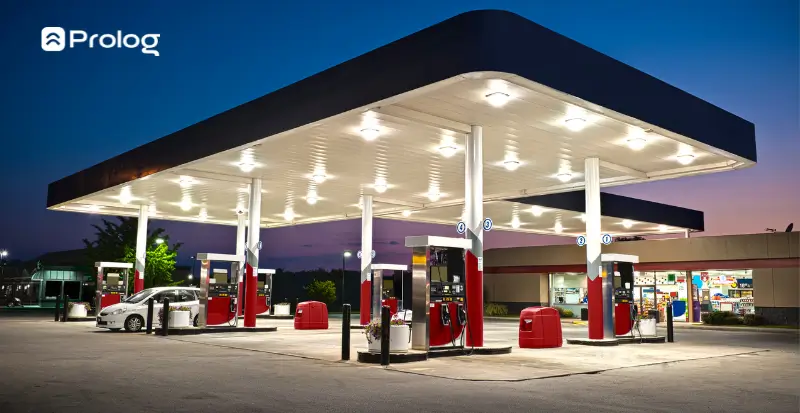
One of the main tasks of refueling management is turning the fleet's refuelings into useful information for the operation. This includes analyzing the conduct of drivers during their trips, keeping track of fuel records and, with that, planning solutions aligned with the company goals.
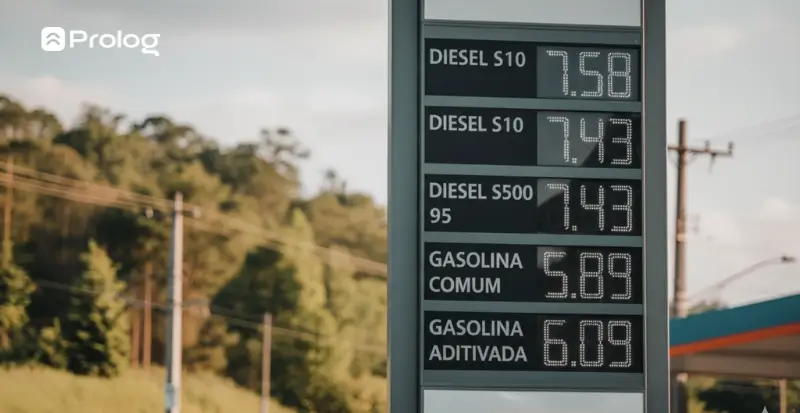
However, the main focus of this area of fleet management is still achieving greater fuel savings: laying out routes with lower mileage, refueling at partner and authorized fuel stations, getting a clearer view of the amounts paid and understanding which expenses repeat every month.
What is refueling management?
Refueling management is the control of the fleet's refuelings, from the amount and volume of fuel to how much the operation spends at the end of each trip, route, vehicle or driver.
For this reason, the routine of this management also includes keeping track of trips and drivers, in order to identify the average consumption per route and compare what was planned with what was carried out.
The central goal is to identify bottlenecks that increase consumption (such as a poorly planned route, abnormal refueling, fuel of questionable origin, too many stops or aggressive driving) and lay out solutions that reduce risks, waste and expenses.
Why manage fleet refueling?
Because it is a direct path to reducing excessive fuel costs in the fleet without relying only on one-off cuts.
Fleet management covers the management of all the company's vehicles, such as forklifts, cars, vans and trucks. In general, it serves to organize, develop and keep track of the expenses and activities related to the use of these vehicles.
When it comes to refueling management, drivers are a fundamental part of the process. In the simplest model, they are the ones who collect the invoices at each fuel station and hand them to the manager, who later consolidates liters, amounts, vehicle, driver, fuel station and mileage.
In the case of a modernized fleet, using a technology such as a refueling management system brings greater speed and convenience to this control, because drivers use specific cards that are already integrated with the software.
This way, the manager reads and controls all the amounts straight from the operation's central office, reduces rework from data entry, finds discrepancies more quickly and can compare refuelings from different periods without depending on loose papers.
Want to improve your fleet management? Talk to a Prolog specialist
What are the benefits of refueling management?
Cost reduction
The company looks for partner fuel stations that offer a lower price, checks whether the retailer operates legally and refuels with the ideal fuel type for each vehicle. In Brazil, to sell automotive fuel, a company needs authorization from the ANP (Brazil's National Agency of Petroleum, Natural Gas and Biofuels), and checking the retailer's registration data and status helps bring more confidence to the choice of fuel station.
In addition, by recording each refueling and controlling the vehicles' mileage, to understand how much fuel the fleet consumes on each trip, the manager gets a clearer view to identify where the biggest expenses and the best opportunities for savings are.
Greater vehicle efficiency
Fuel management helps ensure that the vehicle receives a suitable input, which favors better performance in operations. With this control, you also identify the origin of the fuel in use more easily.
This is because, when the fuel is unsuitable or of low quality, consumption can move outside the normal range, increasing the amounts refueled, reducing performance on the road and requiring more stops by the driver to refuel.
In fact, fuel-related issues can affect the vehicle's parts and create a greater need for corrective maintenance. It is also worth keeping track of mechanical and driving signs: aggressive driving, with harsh acceleration and braking, wastes fuel, and leaving the vehicle stopped while idling also consumes fuel.
Better decision-making
Using performance indicators in the fleet promotes improvements in the corporate environment, since the system stores the data and builds a history for any fleet process.
Speaking of maintenance management, these indicators generate crucial knowledge for the decision-maker, such as:
- Which vehicle has the highest fuel consumption;
- Total amount refueled per vehicle and/or driver;
- Total cost of fleet maintenance and which maintenance originated in fuel and refueling issues.
With consistent indicators, management stops acting only when the month's bill comes in high. It starts comparing averages, investigating exceptions, setting goals by route profile and prioritizing maintenance, training or negotiation actions with fuel stations.
What does a refueling management routine look like?
When we talk about refueling management, controlling the fleet's fuel consumption ends up being part of this management, right?
In practice, the routine needs to record the refueling, check the mileage, calculate the average consumption, compare the result with the expected standard and investigate deviations. A simple way to start is to keep track of the relationship between kilometers driven and liters refueled, always separating by vehicle, driver, route type and period.
Here are other tasks in a refueling management routine:
Vehicle registration
Registering the vehicles, whether in a spreadsheet or in fleet management software, helps forecast fuel consumption during the operation.
The main information about the vehicle is entered in the registration, such as make, year, model and license plate. This parameter helps assess the performance of vehicles and drivers.
It is also important to keep this registration up to date with information on capacity, fuel type, usage routine and maintenance history. Without this foundation, two different vehicles can be compared as if they had the same operation, which distorts the analysis.
Route control
The distance of the routes can lead to excessive fuel consumption. That is why creating optimized routes reduces the mileage covered in freight transport.
This can happen either by planning a shorter route or by looking for paths with fewer curves, stops and traffic lights, for example. The fewer chances of braking and accelerating the vehicle again and again, the greater the chance of saving fuel.
With the help of routing systems, routes are defined according to how easily and quickly the deliveries can be made. Trip planning can also reduce the time spent driving with a cold engine, another point that weighs on consumption efficiency.
Keeping track of mileage
Keeping track of mileage serves to identify the amount of fuel that each vehicle consumes during a trip.
The odometer reading is recorded before a vehicle leaves for the route and also when it arrives back at the operation. This way, the mileage covered makes it possible to identify whether the route was followed as planned.
This control also helps find data entry errors, incomplete refuelings, vehicles with higher-than-normal consumption and the need for servicing. When the fleet keeps track of mileage and refueling together, it becomes easier to know whether the issue lies in the route, the vehicle, the fuel or the way of driving.
Refueling history control
For refueling history control, the following information is recorded:
- Driver;
- Vehicle;
- Date;
- Time;
- Fuel station;
- Fuel type;
- Amount paid;
- Number of liters refueled;
- Vehicle mileage at that moment.
With all of this in hand, management carries out a detailed analysis of the driver's average, the vehicle's actual average, the amount refueled per month, among other information.
This history should be read as a series, not as an isolated event. A more expensive refueling may be explained by the route, the fuel station available or the volume refueled; repeated deviations, on the other hand, indicate the need to review the process, supplier, maintenance or driving behavior.
Who is responsible for refueling management?
It is very common for the person responsible for refueling the vehicle to be the driver, since the driver is the one on the road making the deliveries and really knows what the truck needs.
Since it is a control related to vehicle, maintenance and driver management, the person who actually carries out refueling management is, in most cases, the fleet manager.
It is a department that seeks to optimize spending on quality, cheaper fuels, forming partnerships with trusted fuel stations and checking whether these stations remain suitable for the operation.
The manager also observes the vehicle's consumption, since fast fuel burn that deviates from the norm can indicate that something is wrong with the vehicle, the route, the way of driving or the fuel used.
What tools are needed?
Management systems to save fuel are more than necessary.
We are talking about automating administrative processes, making records more secure, organizing data and increasing the fleet team's productivity.
In addition to systems, there are other refueling tools for fleets that help with fuel control. Check them out:
- Fuel cards for drivers;
- Telemetry and video telemetry, when adopted by the operation as supporting technologies in the industry;
- Vehicle monitoring, when it is part of the fleet's setup;
- Route planner.
Most importantly, the chosen tool should help management move away from scattered records and build a reliable history. That way, the operation can compare consumption, cost, routes and drivers more consistently, and act before waste becomes the norm.
Want to know more? Check out our Fuel Savings Guide (in Portuguese) and apply our tips to your transport operation.
Frequently asked questions
How do you control a fleet's fuel spending?
One truck in the fleet is consuming more than the others. Where do I start?
What is the difference between controlling refueling by invoice and by a card integrated with the system?
Who should be responsible for refueling management in the company?
What indicators does refueling management provide for better decisions?
How does route planning affect fuel consumption?
// newsletter
Fleet management content, straight to your inbox
Articles on tires, maintenance and fleet operations. No spam.