Fleet inspection: frequency and digital checklist
 Luiz Felipe 3 min read
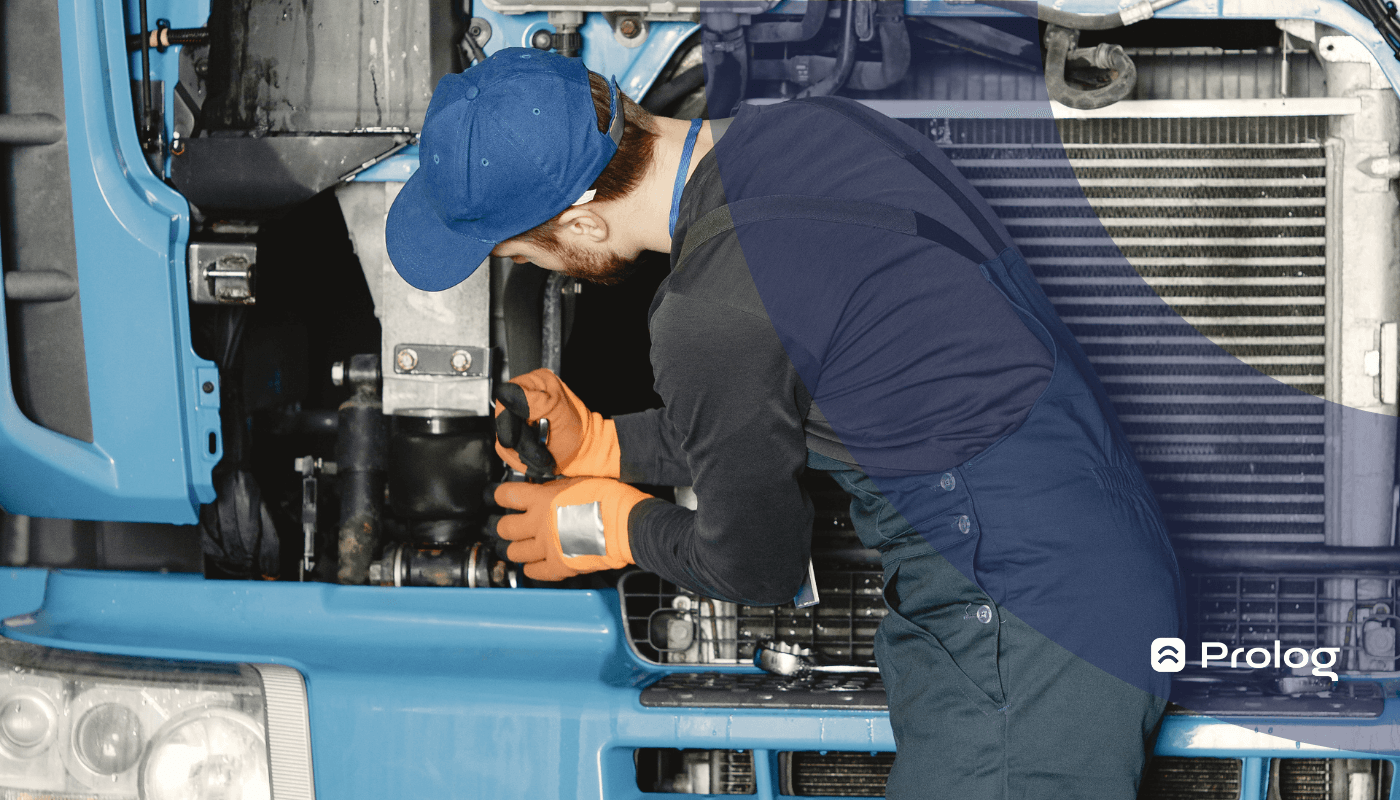
Fleet inspection is directly related to vehicle maintenance. That is obvious. But what are some good practices for effective inspections?
After all, they ensure well-maintained trucks are available whenever needed (avoiding vehicle idle time). They also prevent unforeseen events and accidents on trips, increasing productivity — among other benefits!
Did you know that in Brazil even legislation requires your vehicles to be well cared for? For all the reasons we are discussing, fleet inspection becomes crucial.
Now that you understand the weight of this responsibility, we have also brought some fundamental tips for carrying out inspections in your transport company.
Inspection frequency
Of course, frequency depends on the vehicle and its use, but in any case, you should have a defined inspection plan for each truck. There are different ways to define a preventive maintenance schedule; one very common interval is every 10 thousand km traveled.
However, you can analyze what works best for your fleet. Sometimes weekly fleet inspections are needed, sometimes a more complete inspection each month or even every 6 months.
To understand the best plan for your vehicles, use digital tools (such as the electronic checklist) and prioritize data collection and analysis. This gives you more concrete information based on the reality of your fleet's routine.
As a consequence, you also make smarter, better-judged decisions.
Inspection before and after trips
When we talk about complete vehicle checks, the time interval is justified. However, daily inspection is equally necessary to ascertain the vehicle's actual condition and roadworthiness.
A quick inspection before the trip alone is not enough; a checklist must be completed on return!
After all, many things can happen during a trip, whether a headlight burns out or a stone hits the side mirror glass and causes a crack. Therefore, failing to check the vehicle delays repairs and can delay trips and deliveries, causing customer dissatisfaction and even breaches of contract.
Have you heard of the “snowball” effect? That is what happens here. A detail can turn into something huge and have serious consequences for your business.
This routine of daily departure and return inspections, for short routes, also creates a sense of personal responsibility in drivers, who are the main link between the vehicle and the correction of problems that arise.
Customized checklists
Customizing vehicle checklists is recommended because each truck has its own particularities to inspect.
Paper is not practical for creating different lists, right? What many managers end up doing is creating a large generalized checklist and asking drivers to inspect only what makes sense for the current vehicle.
That is why, for many fleets, checklist customization feels like a nightmare.
But there is a solution, of course!
The digital checklist has existed for some years and has been making vehicle checks much easier. That is precisely why our final topic is:
Digitizing fleet inspection
While a paper checklist or even spreadsheets require more manual work from drivers and the manager, the digital checklist simplifies everything with real-time updates from inspection records.
So, instead of the driver checking and writing down all the items and passing them on to the manager to enter into computer spreadsheets later, all data is entered directly into the system (app) through a smartphone during the fleet inspection. It is also updated for everyone as soon as the checklist is completed.
In addition, this type of platform already automates the creation of various reports! Just choose what you need to analyze and the desired period. The system delivers everything in a single place.
You can learn more about our checklist (and fleet inspection) on our YouTube channel:
(video in Portuguese)
Frequently asked questions
How often should the fleet be inspected?
Why inspect the vehicle when it returns from a trip too?
Is it worth customizing inspection checklists?
What changes with a digital checklist in fleet inspection?
Why is fleet inspection considered crucial?
// newsletter
Fleet management content, straight to your inbox
Articles on tires, maintenance and fleet operations. No spam.