Fleet tire calibration: every week or every 15 days?
 Jean Zart 5 min read
Inflating tires is an essential task in transport fleets. However, many fleets still suffer from high tire costs because of a lack of attention to tire calibration.
This can happen because tire management is often neglected in many fleets, causing financial and operational losses. Incorrectly inflated tires affect fuel consumption and tire useful life, which results in higher costs and lost productivity.
When it comes to a component so fundamental to trucks running well, you need to be better informed about its care, including keeping track of tire pressure and calibration.
Read on to learn more about:
- When fleet tires need to be inflated
- Why inflating tires is important
- Whether a tire inflator is a good choice or it is better to inflate tires at a gas station
- What the ideal pressure for inflating tires is
When do fleet tires need to be inflated?
The ideal calibration frequency varies, but the general recommendation is for calibration to be done weekly for vehicles that run frequently. Tire pressure should be checked regularly, because it is not possible to identify visually when it is outside the ideal range.
In addition, the recommendation is to carry out tire calibration at least every 15 days for vehicles that may not be used as regularly.
Also, including tire checks in a preventive maintenance schedule is essential. This makes it possible to analyze factors that may be affecting the tires, such as suspension issues, and take the necessary action.
Checking the visual condition of the tires needs to be included in the driver's routine checklist. That way, it is possible to check whether there is very visible wear or wear concentrated on the tread, something that can indicate calibration issues or issues with the vehicle's own structure.
This combination of checks helps determine when to inflate tires in order to keep them in good condition.
Why is it important to inflate tires?
Low tire pressure results in higher fuel consumption and a negative impact on braking. It also increases the risk of hydroplaning, reducing grip on the road and vehicle safety.
Correctly inflated tires wear less, have a longer useful life and offer greater safety and comfort on the road.
In the Marbela case study, for example, correct tire management resulted in a 47.8% reduction in tire disposal, showing that maintaining proper calibration not only increases tire useful life but also generates major savings in the operation.
Correctly inflated tires also provide more comfortable and safer driving.
Is it better to inflate tires at a gas station or in the fleet?
Both options are valid, but in-house tire inflators usually offer more convenience and efficiency for large fleets.
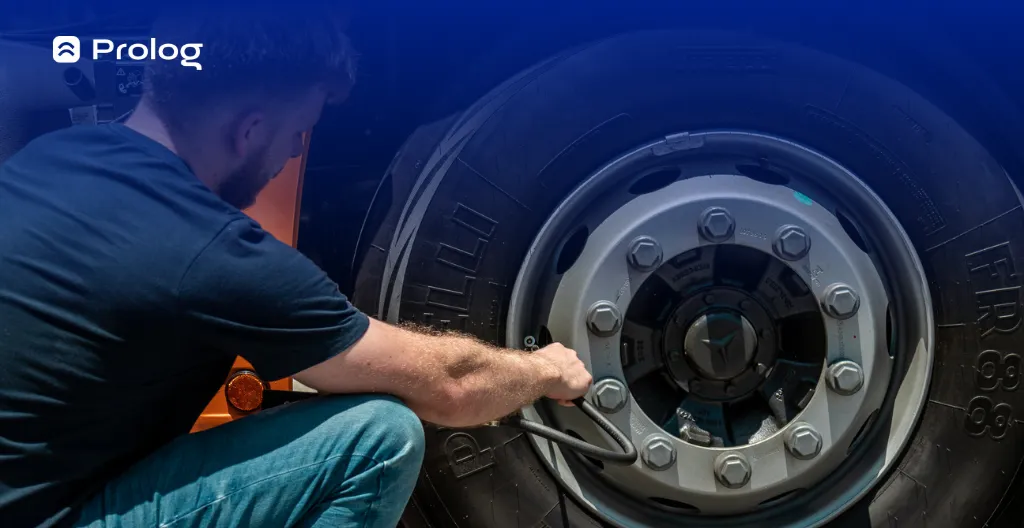
This alternative is excellent to have in the fleet because it is used constantly, even daily, depending on the number of vehicles available in your operation. In some cases, even more than one inflator may be needed to handle the volume of demand.
Keeping a tire inflator at the operation's base ensures that vehicles always have the right pressure before leaving for a new delivery. On long trips, using inflators at gas stations is recommended for maintenance along the way, but depending exclusively on them can be less practical.
The issue with gas station inflators is that routes do not always include a nearby gas station, which increases the need to plan routes with this factor in mind and reduces the convenience and efficiency of operations.
How does a tire inflator work?
A tire inflator works by controlling the airflow according to the pressure registered in the tire. When the pressure is lower than the programmed value, the inflator pumps air into the tire until it reaches the ideal pressure.
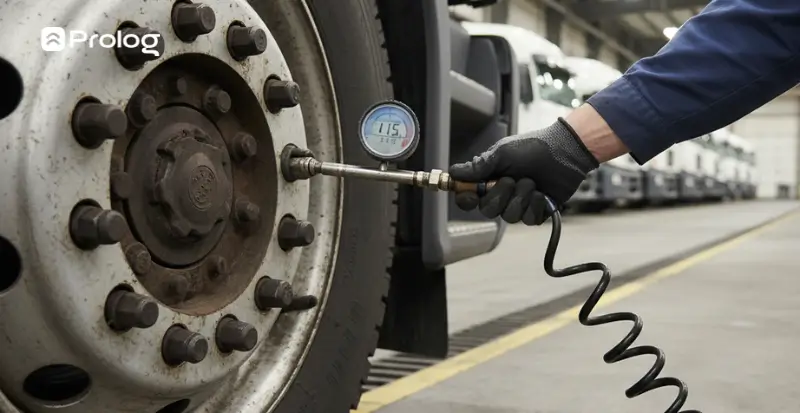
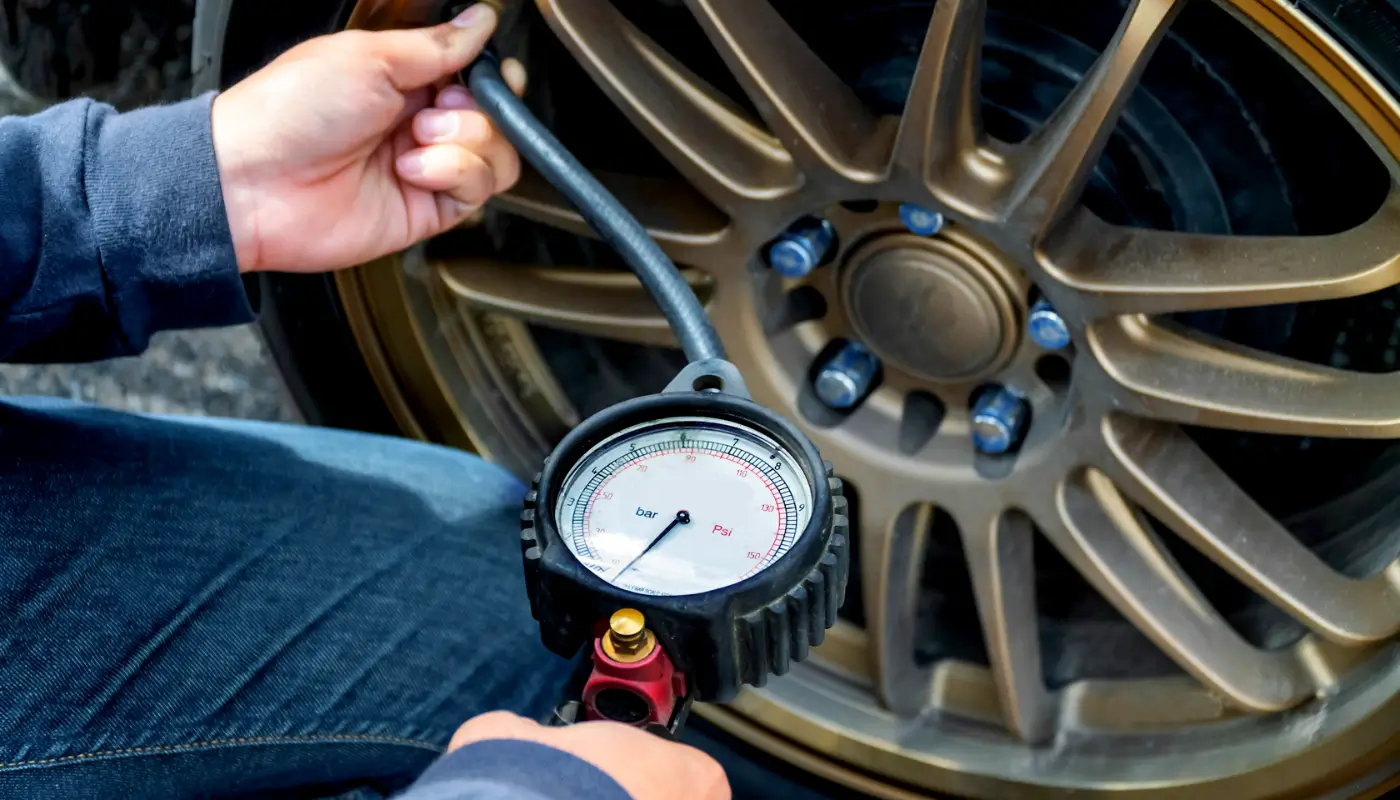
When the reading does not match the indicated pressure, the key point is not to finish the calibration on autopilot: check the pressure again on the display or with a gauge, and use the vehicle manufacturer's specification as the reference.
Whenever the tire reaches the pressure set on the device (the one recommended by the vehicle manufacturer), it emits a beep confirming that the correct calibration has been reached.
How do you inflate tires at a gas station?
Step by step, all tire inflators can be used as follows:
1. Enter the ideal pressure for your vehicle on the inflator.
2. Remove the cap from the tire valve.
3. If there is a lock on the tip of the inflator, press it to release it.
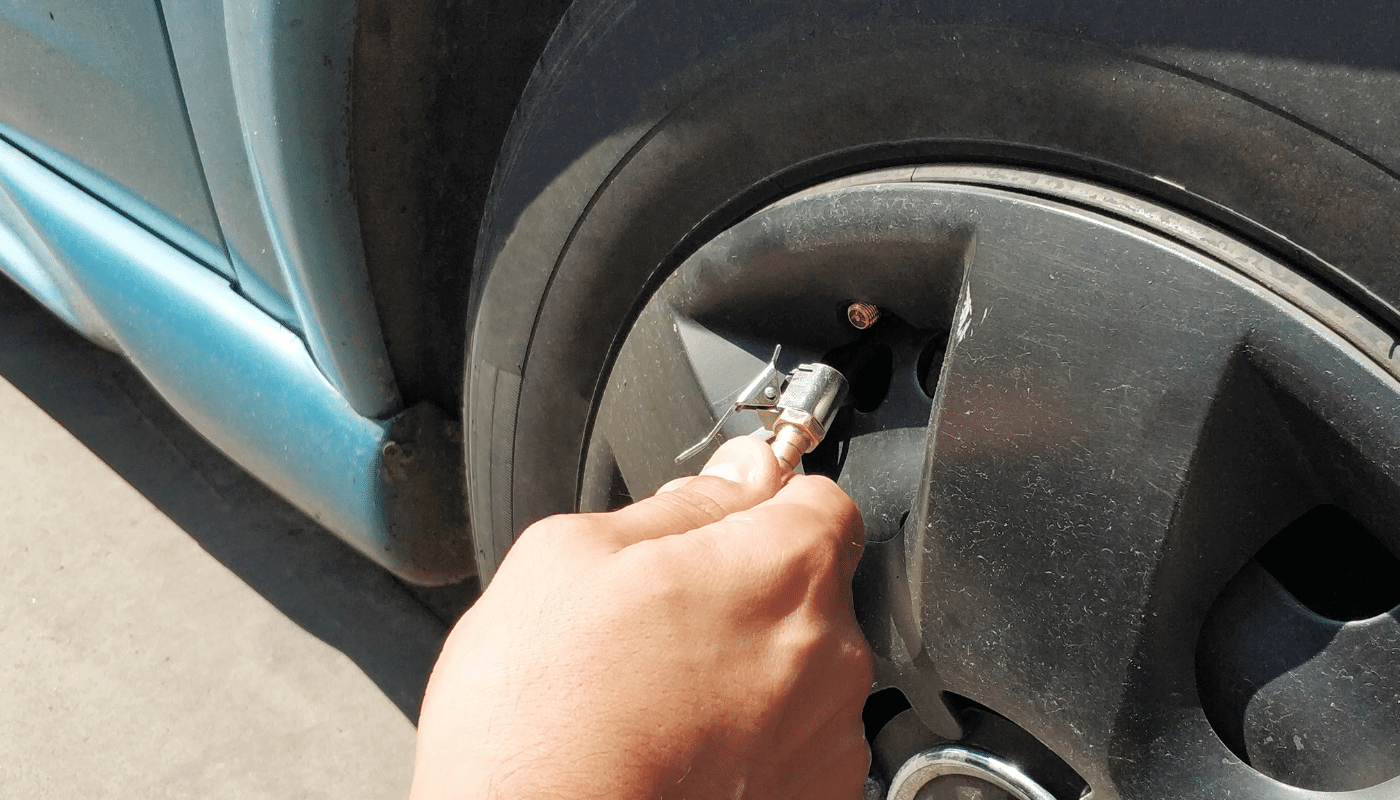
4. Fit the hose onto the valve.
5. Wait for the inflator's beep, which indicates that the correct pressure has been reached.
6. Remove the hose and put the valve cap back on.
7. Put the hose back in place on the inflator.
Remember to also inflate the spare tire, preferably to about 5 PSI above normal, so that it holds its pressure longer, since tires that are not in use lose air more easily.
What is the ideal pressure for inflating tires?
Each tire manufacturer recommends a specific pressure for its models, which should be followed according to the specifications in the manual.
However, keeping regular track of tire wear helps identify whether pressure adjustments are needed to optimize useful life and performance.
This should be done according to an established tire management schedule and routine.
That way, you keep closer track of pressure every week, making adjustments as needed and understanding whether the tires are wearing naturally or being lost earlier than expected.
Fleet and tire managers can also benefit from new technologies specific to the field, such as real-time pressure monitoring. Solutions such as the TPMS (Tire Pressure Monitoring System) let you receive automatic alerts when pressure is outside the ideal range.
In addition, Prolog's electronic tread probe helps keep track of pressure at each inspection, making precise tire pressure adjustments possible and helping prevent premature wear.
Want to optimize tire calibration and generate savings in your fleet? Book a demo with our team and start bringing concrete results to your operation!
Frequently asked questions
How often should fleet tires be inflated?
Is it better to inflate tires at a gas station or to have an inflator in the fleet?
What is the ideal tire pressure?
How do you inflate a tire step by step?
What does incorrect pressure cost the fleet?
Is there technology that warns when pressure moves outside the ideal range?
// newsletter
Fleet management content, straight to your inbox
Articles on tires, maintenance and fleet operations. No spam.