Fleet tire manager: profile and responsibilities
 Luiz Felipe 3 min read
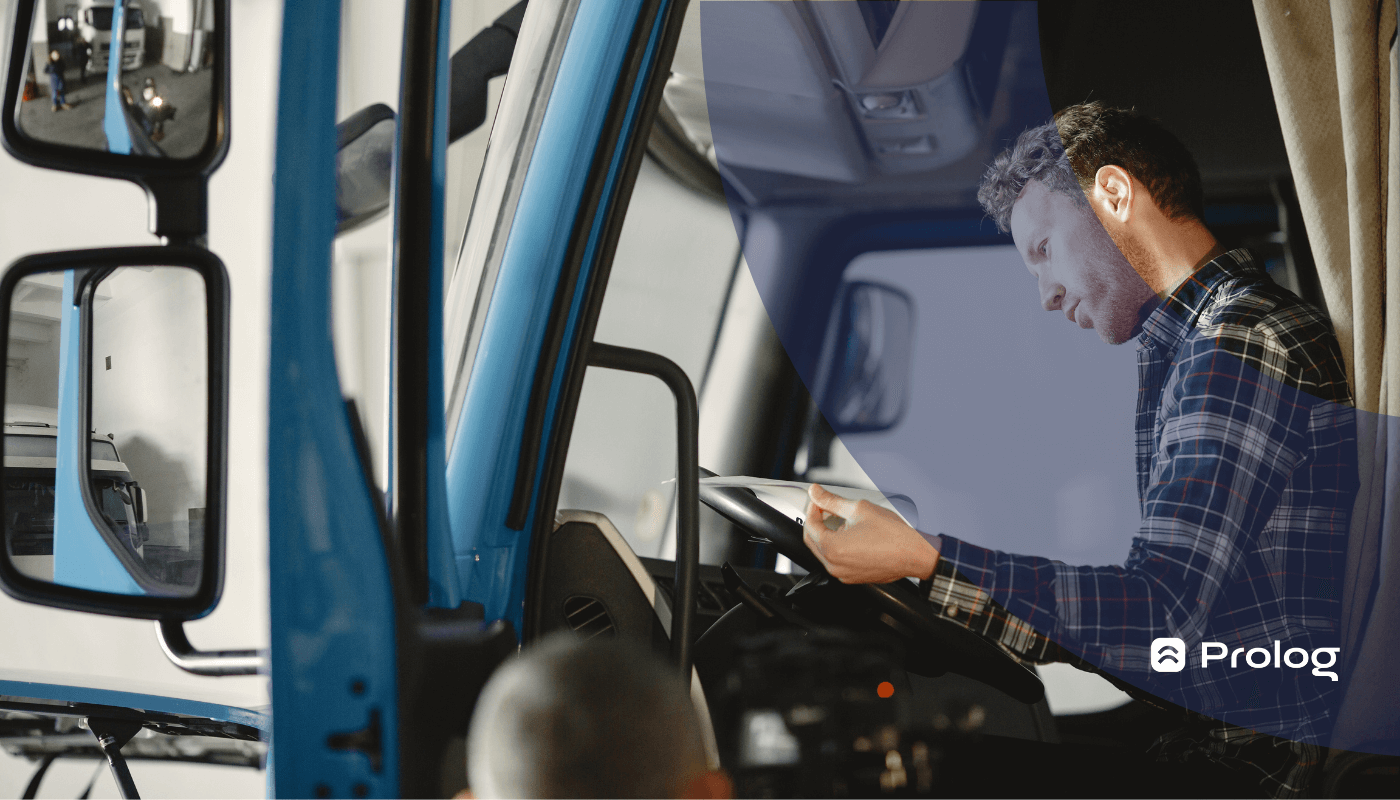
The profession of fleet tire manager is growing, as its value for vehicle maintenance and improvements in distributing customers’ products have brought the field into focus.
For transport companies, this professional means savings and positive results, as they can extend tire usability and help avoid possible delays caused by unexpected truck problems.
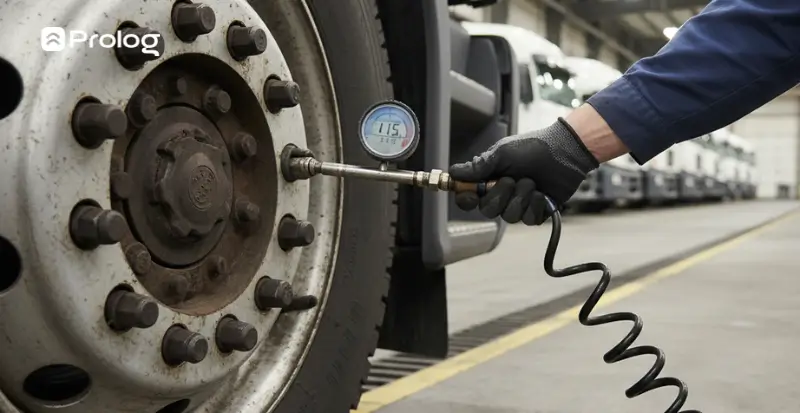
They are also primarily responsible for defining the fleet’s tire routines, creating an inspection schedule and instructing drivers to carry out this task. Their role, like any manager’s, also involves making the team aware of the importance of their collaboration in achieving the best results.
This is just a preview of what a tire manager can add to a transport company.
Let’s take a closer look at what it takes to work in this field and the professional’s main responsibilities. Starting with:
Profile of a fleet tire manager
Within the company, a fleet tire manager should be a professional who understands business management and the consequences of good results. This professional stays aware of developments, knows about planning and can identify opportunities with discernment.
It is important to have administrative, technical and legislative knowledge to responsibly carry out the duties that the role requires in daily work, dealing with purchasing, inventory, tire maintenance and oversight.
Enjoying what you do makes everything even better. So, if checking calibration and learning about weight, tire types and roads, and a tire’s maximum speed interest you, this job is for you.
And what do you gain from it? A tire manager’s salary (in Portuguese) is attractive, but knowing you are ensuring greater safety on Brazil’s highways is also very rewarding, wouldn’t you agree?
Difference between a fleet manager and a fleet tire manager
Because this profession is still not widely known, many fleet managers believe they can handle a “double routine.” In other words, doing both their normal work and controlling the fleet’s tires.
Although this may not be such a major problem, it will be an unnecessary burden. Hiring a professional to handle tire management will positively transform the results of your transport operations.
To leave no doubt, let’s explain the differences, shall we?
In fleet management (video in Portuguese), the professional:
- Manages company vehicles, making plans aimed at savings and better operational performance.
- Handles operating costs, seeks new technologies, monitors machine maintenance and efficiency, and organizes the data and information collected.
- Is responsible for overseeing legal compliance, meaning whether trucks and drivers operate within the law.
- Manages teams, keeping employees motivated and providing support and solutions in adverse situations such as accidents and cargo theft.
In fleet tire management, the professional:
- Is responsible for a specific area within logistics: vehicle tires.
- Needs to manage purchasing, tires entering and leaving inventory, and seek the best costs, quality and sustainability.
- Oversees the company tire repair shop’s work and keeps track of a tire’s useful life cycle.
- Must understand tire performance and the factors that cause greater damage and losses, and improve machine and driver safety on the road.
It is important to point out that a fleet manager is also responsible for the tire manager, as well as the fleet’s other employees, since they must oversee everything involving the company’s machines.
A fleet tire manager, in turn, is responsible for tires and the team that specifically looks after these vehicle components.
Main responsibilities of the fleet tire manager
Tire control is carried out when a professional handles all the activities involved in looking after a fleet’s tires. A tire manager’s main tasks are:
- Buying quality tires;
- Monitoring inventory;
- Analyzing the reasons for tire replacement;
- Seeking solutions that prevent recurring problems;
- Acquiring new technologies;
- Keeping track of the tire repair shop’s routine;
- Obtaining quotes and authorizing tire retreading;
- Examining tire abnormalities caused by mechanical failures;
- Authorizing vehicles to enter and leave for tire maintenance;
- Providing support for tire problems during a trip or delivery.
Now that you know more about a fleet tire manager’s routine, can you see yourself in this profession?
To learn how to manage tires well, download our Tire Management e-book (in Portuguese) and take the opportunity to improve your results even further**. It’s free!**
Frequently asked questions
What is the difference between a fleet manager and a fleet tire manager?
What are the main responsibilities of a fleet tire manager?
What professional profile does the role require?
Is it worth hiring someone dedicated solely to tires?
How does the tire manager involve drivers in the inspection routine?
// newsletter
Fleet management content, straight to your inbox
Articles on tires, maintenance and fleet operations. No spam.