Fleet video telematics: how it works and what it requires
 Jade Zart 7 min read
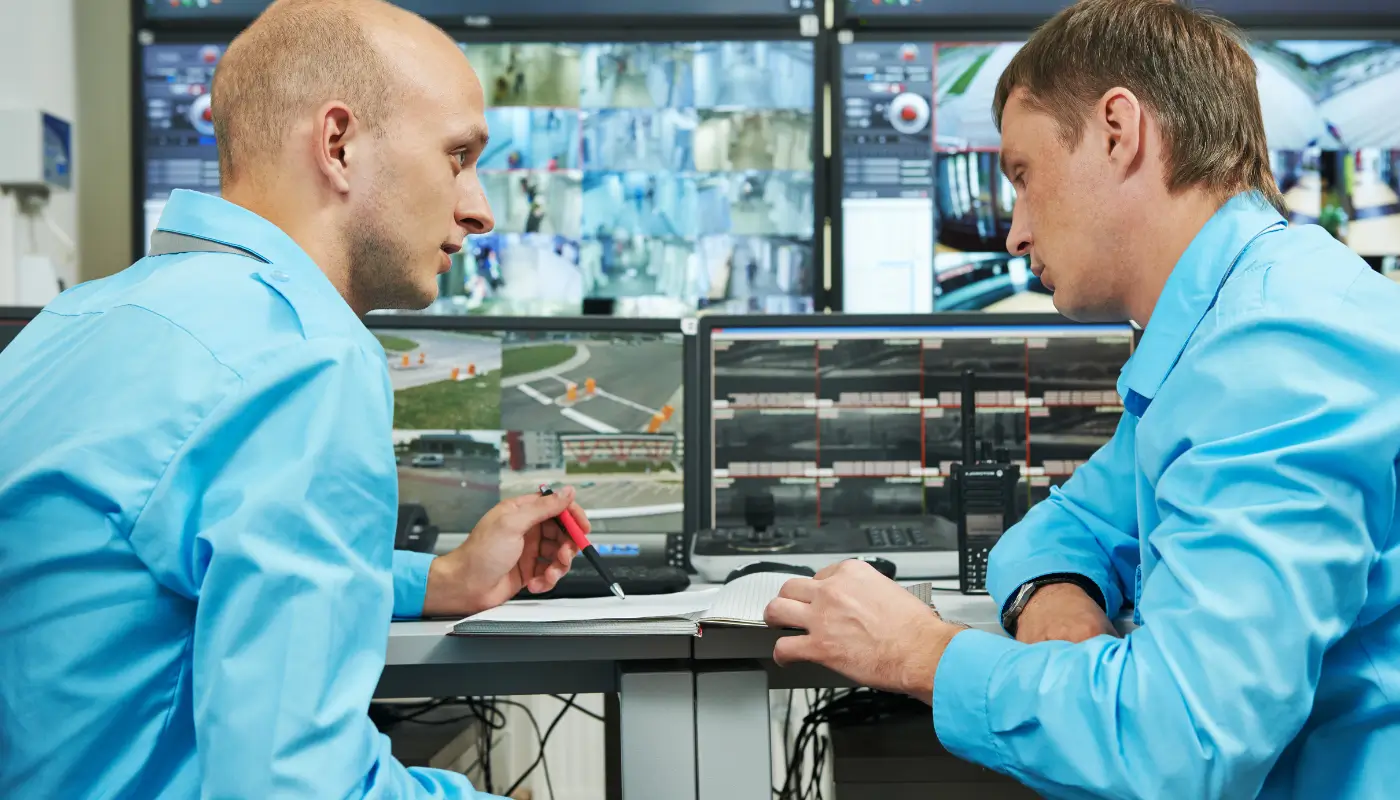
Video telematics is onboard technology that combines cameras installed in a vehicle with trip telematics data, with the aim of improving safety, efficiency and data analysis in transport operations.
It integrates traditional telematics with fleet video monitoring. This offers a more complete view of transport operations, allowing managers a deeper understanding of daily activities on the road.
This can be very useful for improving decision-making and optimizing fleet and driver management practices.
One qualification before continuing: video telematics is a third-party solution. It depends on equipment installed in the vehicle — a camera and telematics module — comes from companies specializing in this technology and is purchased separately from the systems fleets use to manage tires, checklists or maintenance.
Here is a closer look:
- What is video telematics?
- What is video telematics used for?
- Importance of video telematics for fleets
- Challenges of implementing video telematics in fleets
- Possibilities in video telematics data analysis
What is video telematics?
Video telematics is integrated technology that combines real-time video capture with advanced analysis of vehicle telematics data — which can range from average trip speed to the number and duration of each stop.
With a vehicle camera installed in fleet vehicles, video telematics continuously records vehicle activities, capturing details ranging from driving patterns to events on the road.
The configuration varies according to the supplier and the package purchased: the camera may face the road, the cab or both — a choice that changes what the system sees and the significance of privacy concerns.
Video telematics, telematics and management software: what each layer does
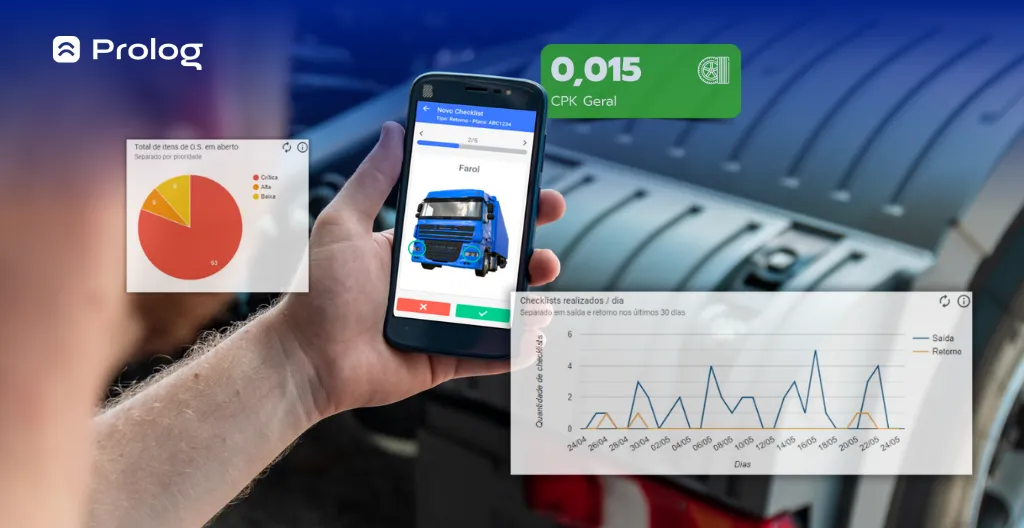
It is worth distinguishing three layers. Telematics collects data from the vehicle itself through onboard equipment. Video telematics adds images to that collection. And fleet management software is where the operation organizes tire inspections, checklists and work orders — with data originating from people: those inspecting, filling out checklists and recording workshop service.
Onboard equipment is, in fact, nothing new in Brazilian legislation. Article 105, II, of the Brazilian Traffic Code requires “instantaneous, tamper-proof speed and time recording equipment” for vehicles used to transport schoolchildren, passenger transport vehicles with more than ten seats, and freight vehicles with a gross weight exceeding four thousand five hundred and thirty-six kilograms.
In Brazil, video telematics is not among the mandatory equipment listed in this article: it enters the fleet by a purchasing decision, rather than a requirement of the Brazilian Traffic Code (CTB). The opening provision notes that the list includes other equipment “to be established by CONTRAN”, Brazil's National Traffic Council, and sector-specific rules may bring their own requirements.
What is video telematics used for?
Among its functions, it serves to improve road safety, allowing driving behavior to be analyzed and dangerous practices, such as distraction at the wheel or aggressive driving, to be identified.
It also makes incident investigation easier by providing visual evidence in accidents.
On the operational side, telematics data — rather than video — supports route optimization and keeping track of fuel efficiency, which can help reduce operating costs. The improvement, however, depends on someone using the data to change routes, driving habits or schedules.
It is also a tool that contributes to driver training, offering feedback based on situations actually recorded, rather than impressions.
Importance of video telematics for fleets
With the ability to provide real-time visibility and video recordings of driving conditions, this technology can strengthen accountability and influence driver behavior.
It is also cited as support for accident prevention, helping identify and correct risky behavior before it results in serious incidents. Cab-facing camera configurations enable detection of signs of drowsiness and distraction, with alerts to drivers: support in fighting sleepiness at the wheel, rather than a guarantee against it.
In addition, analysis of telematics and video data provides information for optimizing operations, from improving routes to planning vehicle preventive maintenance. Preventive maintenance does not rely solely on this data: inspections performed by people and workshop records remain sources for replacement and repair decisions.
Challenges of implementing video telematics in fleets
Privacy and legal compliance
Implementing video telematics in fleets faces the challenge of ensuring driver privacy and compliance with data protection laws.
The starting point is recognizing what is being processed. In Brazil, Law No. 13.709/2018 (LGPD, General Data Protection Law) defines personal data as “information relating to an identified or identifiable natural person” (Article 5, I) — a definition to consider before recording an identifiable driver's image.
Brazil's law makes processing conditional on one of the grounds in Article 7, including the data subject's consent (item I) and processing “necessary to serve the legitimate interests of the controller or a third party, except where fundamental rights and freedoms of the data subject requiring personal data protection prevail” (item IX). Where legitimate interest is the basis, Article 10 adds that “only personal data strictly necessary for the intended purpose may be processed” (paragraph 1) and that the controller “must adopt measures to ensure transparency of processing” (paragraph 2).
Article 6 of Brazil's LGPD lists processing principles — including purpose, necessity, transparency and security — and Article 9 ensures data subjects “easy access to information about the processing of their data”.
Establishing privacy policies is essential, as is ensuring all procedures comply with current laws. In practice, that means defining in writing the recording's purpose, how long images are retained and who can access them. This text describes what Brazil's law establishes; the legal basis applicable to each operation is for the company's legal team and data protection officer to determine.
Integration with existing management systems
Another challenge is integration with fleet management software already in use. This requires an approach that ensures compatibility and avoids operational disruption, and may even require software or hardware updates.
Since video telematics data originates in the equipment supplier's system, integration means combining databases held in different places. Before signing, it is worth agreeing in the contract whether an API or export is available, what format the data comes in and what happens to the recorded history when the contract ends.
Team resistance and training
Team acceptance and suitable training can pose a challenge in some cases. Resistance to change, for example, is common.
With cab-facing cameras, resistance tends to be greater because the perception shifts from “they are monitoring the vehicle” to “they are watching me”. You therefore need to provide comprehensive training and address employees' concerns, clearly explaining what the recording is for and who will have access — which aligns with the transparency principle in Article 6 of Brazil's LGPD.
Implementation and maintenance costs
The costs associated with implementing and maintaining video telematics can be a challenge, especially for smaller fleets or those with limited budgets.
The initial equipment purchase cost, as well as ongoing maintenance and technology upgrade expenses, can be high. When requesting a proposal, it is worth detailing what is included — installation, connectivity, the supplier's system subscription, damaged equipment replacement — and projecting costs for the entire fleet, rather than just the pilot.
Data analysis and management
This stage requires dedicated resources to review and interpret video recordings, as well as integrating that data with other operational metrics for comprehensive analysis.
It can therefore be a challenge both in training the team and in hiring new people or even adopting AI tools that automate this activity. Even with automatic screening, someone needs to decide who watches flagged events and what is done about them; without this routine, the result is accumulated footage without decisions.
Possibilities in video telematics data analysis
Driver behavior monitoring and assessment
Video telematics data analysis allows detailed monitoring of driver behavior.
This includes observing habits such as speed, seat belt use, attention to the road and responses to risky situations.
This information helps identify training and development areas, contributing to road safety. One precaution, however: an isolated event says little. Hard braking may be a driving error or the correct response to being cut off — context distinguishes the two interpretations.
Incident analysis and accident prevention
Video telematics data can be used to analyze specific incidents, such as hard braking, acceleration and dangerous maneuvers.
By assessing the circumstances around these events, you can identify risk patterns and implement preventive measures to reduce accidents. If events are concentrated on one stretch or shift, the issue may lie with the route or schedule rather than the driver.
Route optimization and fuel efficiency
Video telematics offers insights into the efficiency of routes driven and fuel consumption.
By analyzing video data alongside telematics information, such as trip time and stops, it is possible to optimize routes to save fuel and time, improving operational efficiency. Here, most of the work belongs to the telematics layer; video helps explain why a stretch consumes more — roadworks, congestion or road condition.
Want to keep up with changes in technology and fleet management? Subscribe to our free newsletter for content, management tips and the latest transport technology news.
Frequently asked questions
What is video telematics?
What is the difference between telematics and video telematics?
What is video telematics used for in fleets?
Is video telematics legally required?
What does the LGPD require to record a driver's image?
What are the challenges of implementing video telematics in fleets?
// newsletter
Fleet management content, straight to your inbox
Articles on tires, maintenance and fleet operations. No spam.