Fuel injector cleaning: when and how to do it
 Jean Zart 4 min read
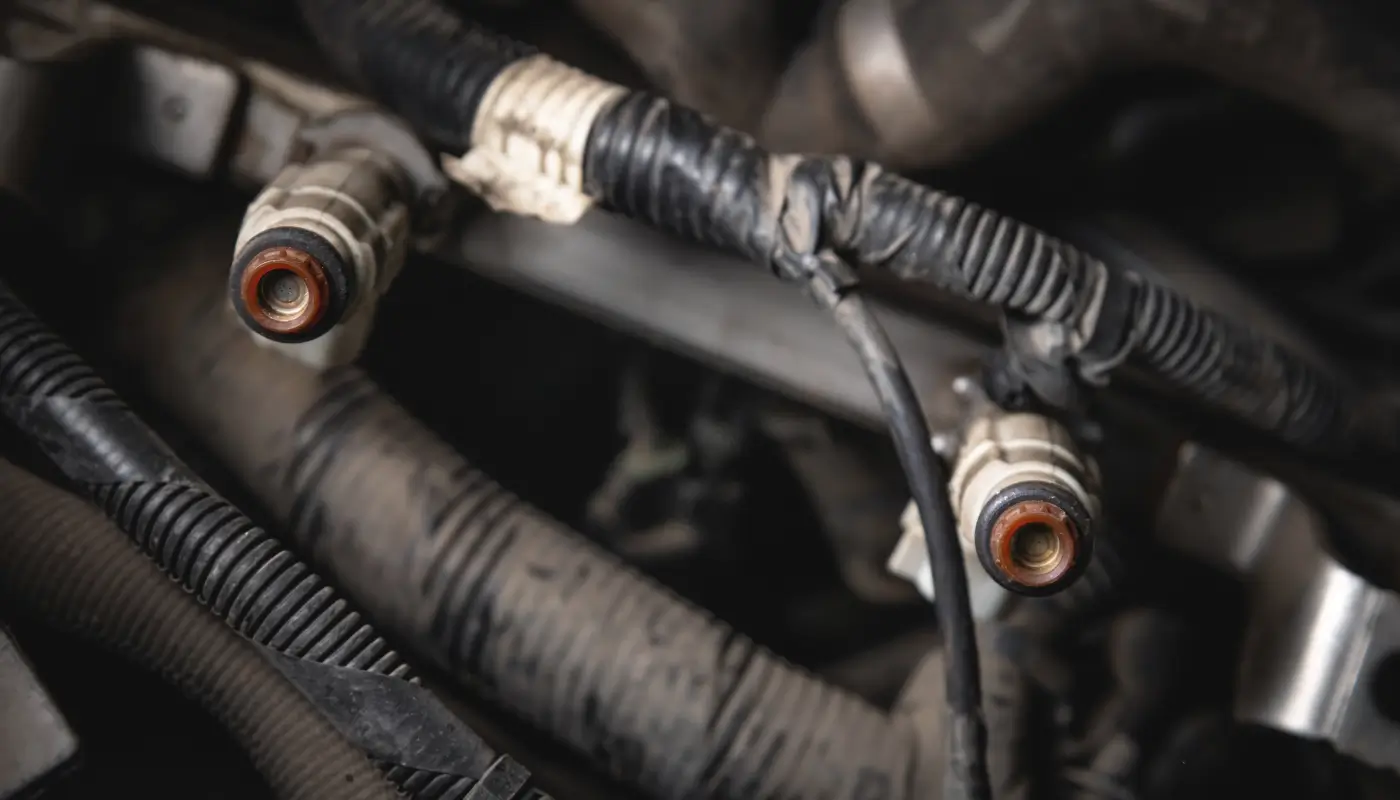
Fuel injectors are fundamental components of vehicles' injection systems.
Their function is to atomize fuel into the combustion chamber, ensuring a precise mixture of air and fuel — something fundamental for good engine performance, fuel economy and reduced pollutant emissions.
Over time, fuel injectors can accumulate residue and dirt, reducing their efficiency and compromising engine operation. Proper maintenance and cleaning are essential to avoid problems such as high consumption, loss of power and even serious engine damage.
See below:
- How do you properly clean and maintain fuel injectors?
- How is fuel injector cleaning done?
- What is good for cleaning fuel injectors?
- When is it necessary to clean the fuel injectors?
How do you properly clean and maintain fuel injectors?
Keeping fuel injectors in good condition requires specific care. Here is a step-by-step guide to cleaning and maintaining them efficiently:
- Inspect the fuel injectors: before starting any procedure, you will need to visually assess the injectors and check for signs of wear, leaks or excessive buildup of dirt.
- Remove the injectors, if necessary: in cases of more severe dirt, the fuel injectors need to be removed for deeper cleaning. This step must be done carefully to avoid damaging the components.
- Use a cleaning additive: for regular cleaning, specific additives can be added to the fuel tank. They help dissolve light residue and prevent dirt buildup.
- Carry out pressurized cleaning: with specialized equipment, inject the cleaning product directly into the injectors, without the need to remove them. This method is efficient for intermediate maintenance.
- Use an ultrasonic machine: for deeper cleaning, immerse the injectors in an ultrasonic tank. The equipment uses high-frequency vibrations to remove encrusted dirt.
- Reinstall the injectors and test the system: after cleaning, put the fuel injectors back into the engine, making sure they are properly fastened. Test the engine's operation to check whether the cleaning was successful.
How do you ensure proper fuel injector maintenance?
Fuel injector maintenance should be preventive, not just corrective. To do this, it is essential to periodically check the condition of the fuel injectors and of the injection system as a whole.
In addition, using quality fuel, following the manufacturer's maintenance schedule and avoiding overloading the engine are practices that help extend the useful life of fuel injectors and prevent more serious engine problems.
How is fuel injector cleaning done?
Fuel injector cleaning can be done in different ways, depending on the level of dirt and the vehicle's condition.
Simple methods, such as using additives, are recommended for preventive maintenance. Pressurized cleaning, carried out without removing the injectors, is ideal for clearing light clogs.
For more persistent dirt, cleaning with an ultrasonic machine is recommended. In this method, the injectors are removed and immersed in a tank with a specific liquid, where the vibrations remove encrusted residue.
In all cases, using suitable equipment and products is essential to preserve the integrity of the components.
What is good for cleaning fuel injectors?
There are specific products and tools that help clean fuel injectors effectively. Among them:
- Chemical additives: products added to the fuel tank to dissolve light dirt and prevent new buildup.
- Ultrasonic machine: ideal for deep cleaning, removing encrusted residue without damaging the injectors.
- Pressurized cleaning equipment: injects cleaning products directly into the injectors, without the need to disassemble the system.
- Specific solutions for fuel injectors: chemical products developed to clean the injectors and restore their efficiency.
When is it necessary to clean the fuel injectors?
Some signs indicate that it is time to clean the fuel injectors. Watch out for:
- Loss of engine power: the vehicle takes longer to accelerate or does not reach the expected performance.
- Excessive fuel consumption: engine efficiency decreases, increasing fuel spending.
- Black smoke emission: accumulated residue can alter fuel combustion and increase emissions.
- Hard starting: the engine misfires or takes a long time to start.
- Irregular operation: the engine sputters or is unstable at idle.
Keeping fuel injectors clean and working properly is essential to ensure engine performance, fuel economy and lower pollutant emissions.
And if you want to improve your fleet's maintenance management and make sure the maintenance of all components is up to date, download our Maintenance Management Guide for Fleets now (in Portuguese).
Frequently asked questions
How is fuel injector cleaning done?
What is the step-by-step process for cleaning fuel injectors?
What is good for cleaning fuel injectors?
When is it necessary to clean the fuel injectors?
How do you prevent dirt from building up in fuel injectors?
// newsletter
Fleet management content, straight to your inbox
Articles on tires, maintenance and fleet operations. No spam.