Understand technology's role in heavy-duty logistics
 Luiz Felipe 4 min read
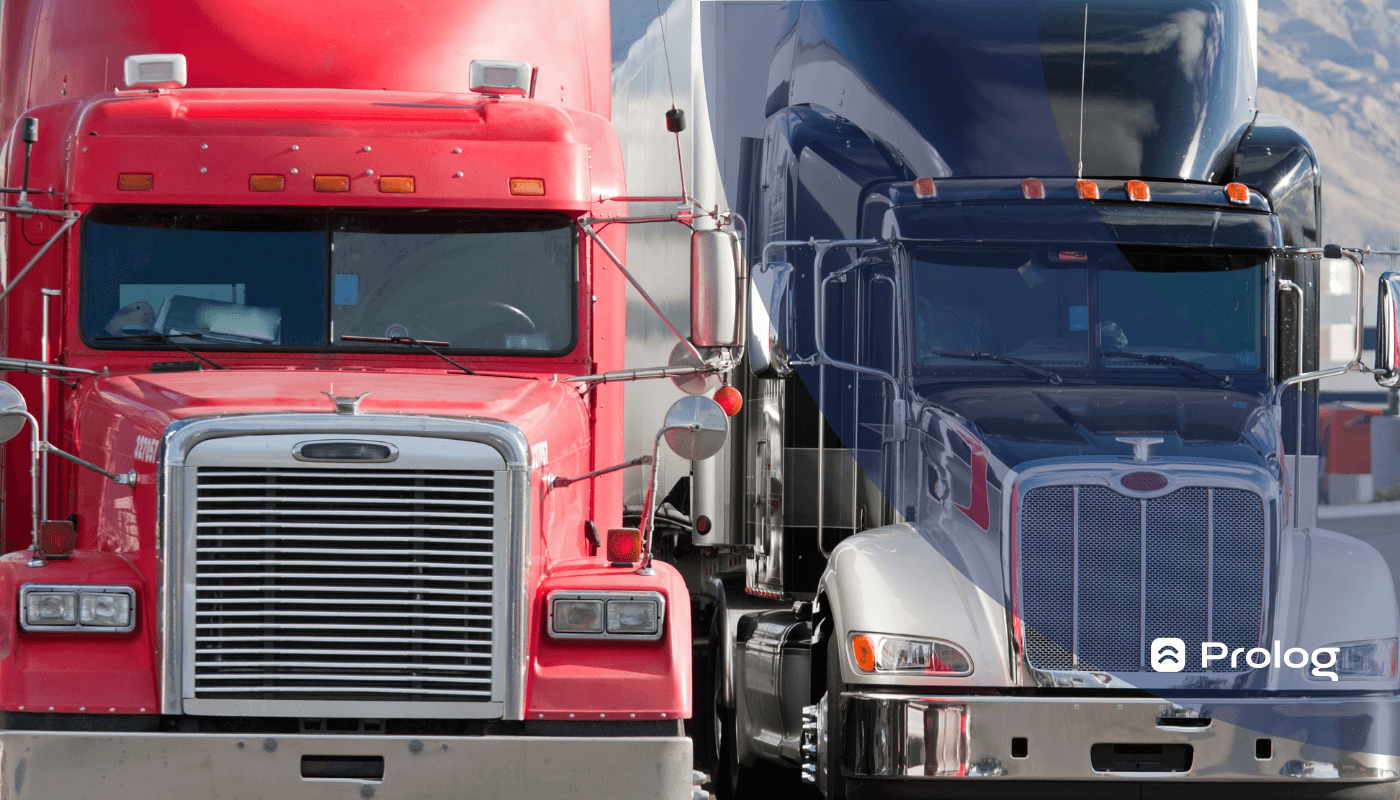
Heavy-duty logistics has become much simpler since the arrival of app technology, leaving behind all the paperwork that took up space and made fleet oversight difficult, and offering an easily accessible solution.
But how does this system work, and how does transport logistics work through it?
Through tools that can help with organization, quality control and faster processes that bring excellence to service delivery and much greater safety. All in the palm of your hand.
Interested? Learn which technologies are used in heavy-duty logistics and start bringing greater efficiency to your business right away.
Here is a brief look:
How does transport logistics work?
Modern transport logistics will work through a system that brings greater security and accessibility to fleet information.
This is possible through a management platform such as Prolog, focused on tires, preventive maintenance and electronic checklist for road freight transport and logistics distribution operations.
This means saying goodbye to the piles of paper that made truck management complicated and time-consuming — making management much faster and more organized.
So, what does this look like?
What are some examples of technologies used in heavy-duty logistics?
Many solutions are available today, both for complete supply chain management and for specific aspects of fleet management. Some of the most common examples are enterprise resource planning (ERP), warehouse management systems (WMS) and route planning systems.
It is worth mentioning that, for the fleet's daily routine, good technology is accessible and always available without needing large equipment or an internet signal. In other words, the ideal logistics system should work offline directly on a phone, since on some routes it is very difficult for drivers to find and access Wi-Fi networks.
To illustrate, you can now find apps that create customized checklists for company employees to fill in as they check the vehicle's components.
Once the checklist is completed, the data reaches management to be analyzed and addressed, ensuring that the truck takes to the road safely.
For example, during a daily checklist, if the driver finds a fault in one of their truck's position lights, they can fill it in on their app and have the problem sent to the central office, preventing fines and traveling with greater peace of mind.
Thus, technology applied to heavy-duty logistics should centralize records made by the team, allow comments and photographs to be sent, and provide access to reports that improve organization and the number of solutions in the company.
In addition, an even greater advantage is access to the number of services generated, the time taken to resolve them and the biggest problems affecting the fleet in its daily work routine.
What is the impact of technology on heavy-duty logistics?
With the help of technology, it is much easier to receive and store informational materials and resolve all unforeseen events quickly, with the control and organization that only data integration in a system can provide. Best of all: when you need it.
For those in the business world, information is everything. This is because the data sent and saved in a system allows all logistics processes to take place much more safely and simply.
Requests will receive faster responses, planning is more intuitive, and tasks that would usually take hours to complete can be performed quickly with a few clicks on the screen.
What other aspects show the importance of technology in heavy-duty logistics?
In addition to all the advantages you have read about so far, technology in the logistics market can offer 5 more benefits for your business, essential to staying ahead of the competition:
1. Limiting failures
By using tech in heavy-duty logistics, manual processes can be reduced, decreasing the chances of human error and increasing the speed of identifying errors if they occur.
Likewise, technology makes it easier to find problems in fleet vehicles before they actually happen (through preventive maintenance), delivering a service with greater quality and safety.
2. Cost reduction
With fewer errors, costs are lower as a consequence. The problems found can be resolved faster and by fewer employees.
There are also savings on office stationery, which means caring for the environment as well, and savings on truck care, with faster maintenance before a possible worsening of the trucks' condition.
3. Better planning
Using a system provides a final report. In other words, access to more specific information that will quickly help with planning.
4. Faster procedures
The information and data stored in the system are more accurate, reliable and secure, speeding up all company procedures.
5. Increased satisfaction
When a product is delivered to its recipient by the deadline, without damage or loss, the chances of customer satisfaction are greater. Know what that means? Loyalty, referrals and increased credibility for your company!
Another very important point is ensuring protection for the team of drivers, who will be able to travel with peace of mind and, of course, will also be more satisfied at work.
This makes it easy to recognize the importance of technology in heavy-duty logistics, doesn't it? It can bring quick solutions and diagnoses that will greatly improve fleet quality, driver safety and your company's delivery results.
Enjoyed learning more about the technology involved in a transport company's processes? Subscribe to our YouTube channel and get access to exclusive content and market news:
Discover 7 logistics technologies that simplify and help manage your fleet (video in Portuguese)
Frequently asked questions
My drivers have no internet signal along much of the route. Can a checklist app be used like this?
How can I quickly get a problem a driver sees on the road to the person who resolves it?
What should I look at when choosing a system for a heavy cargo operation?
Does replacing paper with a system really reduce costs? In what areas?
How does technology help prevent breakdowns before they happen?
// newsletter
Fleet management content, straight to your inbox
Articles on tires, maintenance and fleet operations. No spam.