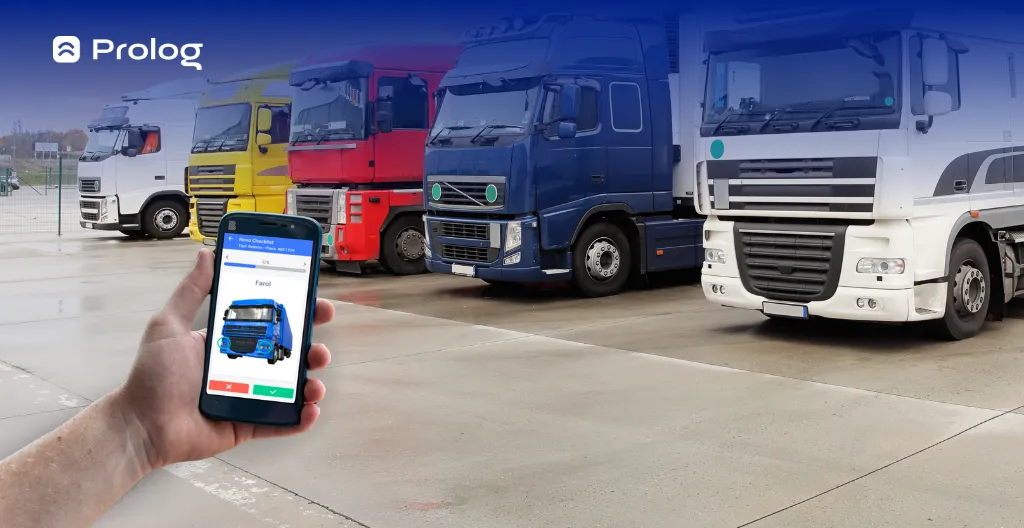
Operational checklist: 4 steps to an efficient template
 Luiz Felipe 4 min read

Knowing how to create an efficient checklist is important for turning an inspection into useful operational information. A good template helps keep vehicles and processes compliant, but only delivers results when items are clear, completion is understood and each nonconformity has a defined next step.
By establishing a checklist routine, a company better organizes inspections and maintenance. Vehicle checklist templates, on paper or digitally, should reflect what actually happens in the operation and avoid questions no one uses afterward.
Before choosing a format, understand how to develop an operational checklist. See this step-by-step guide:
- Organize items in a logical sequence;
- Create a clear, objective completion method;
- Include deadlines, owners and next steps;
- Use digital tools when appropriate.
1 – Organize items in a logical sequence
The first step is to define the inspection's purpose and the items that need checking. On a vehicle, for example, organize questions according to the inspector's actual route: start with one area, move to the next and avoid making the driver return to the same spot several times.
This sequence reduces omissions and speeds up completion. It also makes training easier, because the person responsible knows the order in which to observe components and record incidents.
Include only information useful for later decisions. A very long checklist, with vague questions or no practical consequence, tends to be filled out with less attention. The template can be reviewed when vehicles, processes or operational risks change.
The organization should align with vehicle inspection. That way, the result does not depend solely on the memory of whoever fills it out and can be compared across vehicles, periods and people responsible.
2 – Create a clear, objective completion method
Open-ended fields and vague instructions are common sources of incomplete records. Each question needs to indicate what should be observed and what type of answer is expected. When there is a nonconformity, the checklist should also guide what to describe and when to attach evidence.
Standardized fields such as “OK” and “NOK” can work both on paper and digitally, provided the team knows what each option means. Symbols such as “✓” and “X” are also possible; what matters is that different people record the same result consistently.
Avoid questions that combine multiple checks or allow opposite interpretations. Instead of a generic question about vehicle condition, divide the relevant items and explain the completion criteria. This improves information quality and makes later analysis easier.
Regardless of the method chosen, communicate the procedure to drivers and everyone else responsible. The checklist will only be reliable if everyone knows how to fill it out, when to interrupt operations to refer an incident for action and whom to report the situation to.
3 – Include deadlines and owners
An efficient checklist does not end with completion. Define who performs the inspection, who receives reported issues, how priority is classified, which deadline applies to each type of incident and how the response will be recorded. This information can appear in the template itself or an associated procedure.
The routine's frequency also needs to be established. Vehicles traveling daily routes may need a simple check before or after use, while more comprehensive inspections should follow the maintenance plan, mileage, time in use and relevant technical recommendations. No single interval replaces operational needs and manufacturer guidance.
When each driver is responsible for a specific vehicle, documenting that responsibility in a physical schedule or management system is useful. The record makes it easier to keep track without relying on verbal arrangements and makes clear who should report a change found during inspection.
This step shows that an operational checklist depends on management practices beyond the form. The maintenance department needs to receive reported issues, assess the situations that require it and respond with what was done. Without this workflow, inspections do not become improvements to the routine.
4 – Use digital tools
The previous three steps remain necessary when a company replaces paper with a digital tool. The feature can make template creation easier, standardize answers, organize records and refer incidents for action, but does not replace well-defined items and a team that has received guidance.
On a checklist platform, templates need to consider the company's actual routine, users and what happens after a nonconformity.
Prolog's electronic checklist allows you to:
- create checklist templates with sequences of questions and answer options adapted to different needs and processes;
- define which vehicle models should receive each checklist and which employees should complete it;
- carry out checklists in the operation on any phone with the Prolog app;
- track nonconformities at different priority levels through Work Orders that can be opened in real time, according to the operation's configuration and procedures;
- manage processes in real time.
Internet connectivity and signatures from those responsible are frequent concerns in field operations. Prolog's digital checklist solution works without internet access, allows images to be captured during the checklist and collects electronic signatures from those responsible.
Before implementing any tool, run a pilot, explain the procedure to users and check whether reported issues receive responses. Review the template periodically to remove items that do not help decisions and include checks that have become necessary.
Discover the features of Prolog Electronic Checklist and how to start implementing it with a free demonstration.
Frequently asked questions
How do you create an efficient operational checklist?
What is an operational checklist?
How often should a vehicle checklist be completed?
How do you standardize checklist completion?
What does Prolog's electronic checklist allow you to do?
// newsletter
Fleet management content, straight to your inbox
Articles on tires, maintenance and fleet operations. No spam.