Why asset management matters for vehicle fleets
 Jade Zart 4 min read
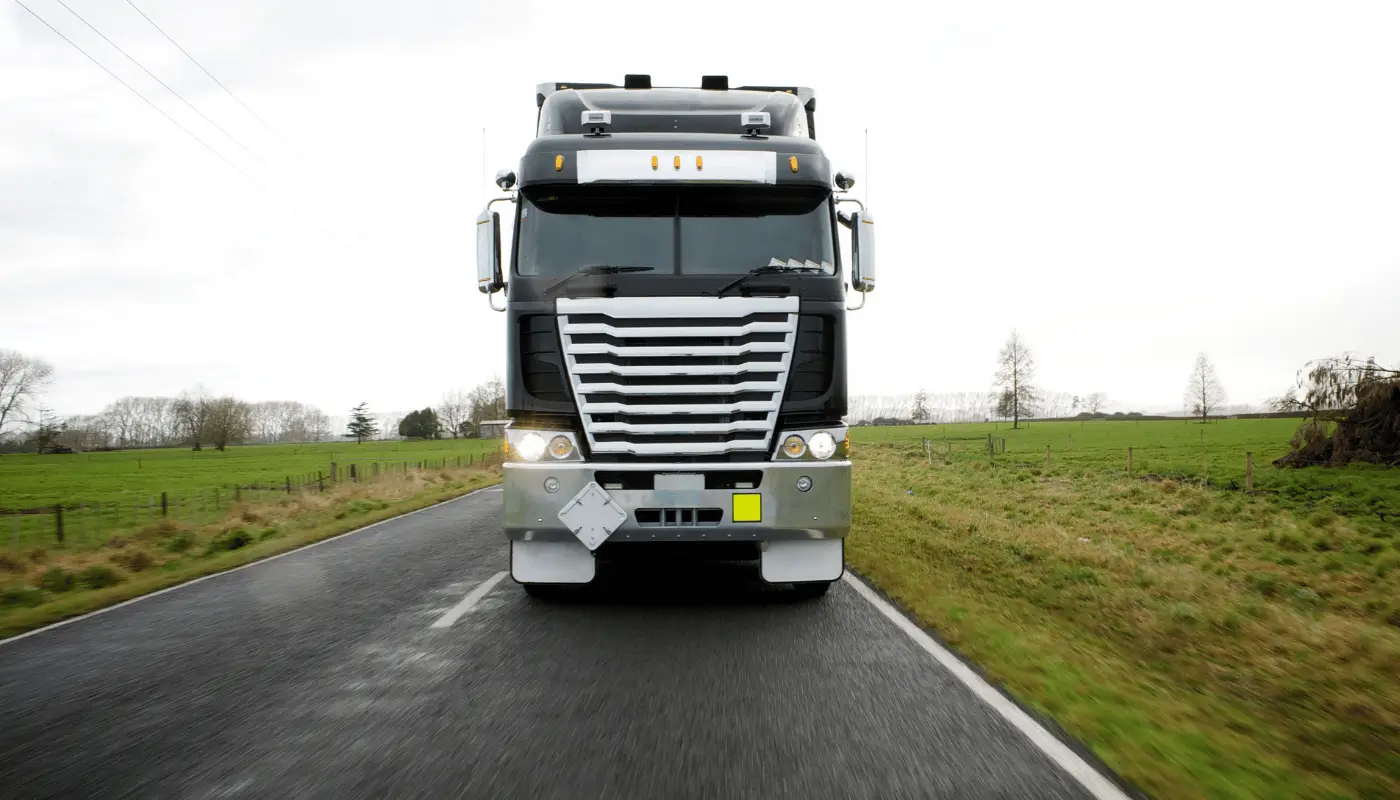
The importance of vehicle fleet asset management involves ensuring fleet vehicle efficiency and durability.
In general, this management is a process for organizing and keeping a company's assets fully operational. In a fleet, this mainly covers the maintenance department.
This is because vehicles are the main assets a fleet owns, and ensuring control, safety and compliance is indispensable to help reduce costs and maximize their use.
Read on for all the reasons that show the importance of asset management:
- Better control of company assets
- Reduction of overall costs
- Optimized asset use
- Greater asset safety and reliability
- Compliance with standards
- Avoiding risks and failures
- Preventing interruptions to important fleet processes
- Promoting standardized fleet processes
- Ensuring a complete life cycle for assets
Better control of company assets
Having better control of fleet assets means that, with efficient asset management, all fleet vehicles and equipment are continuously monitored, ensuring they are always in good condition for use.
In this process, you should record and keep track of each asset's location, condition and maintenance history, making it easier to identify repair or replacement needs.
The importance of asset management is directly reflected in the ability to keep these assets organized and operational.
Reduction of overall costs
By maintaining strict control over vehicle maintenance and condition, it is possible to predict and avoid mechanical failures, reducing emergency repair expenses.
Good asset management also helps optimize vehicle use, avoiding excessive wear and extending useful life.
Centralizing information also makes it easier to negotiate better maintenance contracts and parts purchases, resulting in additional savings for the company.
This clearly shows the importance of asset management for the fleet's financial health.
Optimized asset use
With an efficient asset management system, it is possible to monitor each asset's use in real time, identify usage patterns and adjust vehicle allocation as needed.
This ensures assets are used in a balanced way, avoiding excessive wear on some and underuse of others.
Furthermore, usage data analysis helps better plan operations, maximize productivity and reduce vehicle idle time.
Greater asset safety and reliability
Asset management increases safety and fleet vehicle reliability by continuously monitoring vehicle condition and carrying out preventive maintenance. This makes it possible to identify and correct issues before they become serious.
In this process, asset integrity management reduces the risk of mechanical failures during operation, but also ensures vehicles are always in safe condition for use.
Likewise, asset reliability is reinforced, preventing vehicles from being involved in accidents and unexpected stops.
Compliance with standards
Maintaining compliance with standards means keeping all documentation up to date, conducting regular fleet inspections and audits, and knowing transport legislation and applying the measures needed to comply with all laws and regulations.
Compliance with standards not only avoids fines and penalties, but also improves the company's reputation.
Avoiding risks and failures
As mentioned above, by constantly keeping track of vehicle maintenance, it is possible to identify and resolve issues before they become serious, avoiding risks and failures related to this type of situation.
In other words, fewer accidents, fewer stops on the road, fewer operational delays and less need for emergency repairs.
Preventing interruptions to important fleet processes
By ensuring all vehicles are in good operating condition and readily available, asset management prevents departures from being delayed by vehicle unavailability and, of course, unexpected stops that may compromise daily operations.
As a result, the company can keep operations flowing, meeting deadlines and ensuring customer satisfaction.
Promoting standardized fleet processes
Asset management promotes standardized fleet processes, ensuring all maintenance, inspection and operating procedures are performed consistently.
With standardized processes, the company can ensure all vehicles receive the same level of care and attention, regardless of who performs the task.
This is beneficial both for improving work efficiency and quality and for facilitating the integration of new employees, reducing the learning curve and ensuring operational continuity.
Standardization also helps quickly identify any deviations from established procedures, allowing immediate corrections.
Ensuring a complete life cycle for assets
Asset management ensures a complete life cycle for fleet vehicles, from acquisition to sale or deactivation.
By keeping track of this entire cycle, it is possible to optimize use more precisely for future acquisitions, plan replacements strategically and avoid premature vehicle loss.
In addition, with proper care, you maximize return on investment, ensuring assets are used to their full capacity before deactivation.
Start controlling your fleet assets more efficiently with our maintenance management spreadsheet. The download is free, and you only need to make your copy to start using it. Click here and download it now (in Portuguese).
Frequently asked questions
My trucks are always stopped waiting for repairs. Where do I start tackling this?
How can I reduce fleet maintenance costs without cutting services?
What should you consider when setting up fleet asset control?
What is the difference between handling maintenance and managing assets?
How does a fleet avoid fines related to documentation and inspection?
// newsletter
Fleet management content, straight to your inbox
Articles on tires, maintenance and fleet operations. No spam.