Fleet assets: what they are and how to manage them
 Jade Zart 4 min read
Understanding what fleet assets are is fundamental for a manager to correctly administer all the different areas and stages of their operation.
From trucks and forklifts, tires and other parts in inventory to the systems used, all are essential assets for fleet efficiency, productivity and safety. For proper functioning and effective communication between fleet departments, it is important to know and understand the various asset categories involved.
Learn more below:
What is a fleet asset?
Fleet assets are items and resources used to keep fleet operations running. They can range from vehicles to mechanical equipment and management systems.
It is important to consider that all of them are investments made by the company and should be managed as appropriately as possible. The motivation is the need, for example, to make the most of and even extend a vehicle's durability.
In other words, to make the investment worthwhile.
And the best way to manage them is to start by understanding and identifying the assets. This will enable the creation of more efficient, profitable strategies for the operation.
What fleet assets are there?
Assets are considered to be all the goods a company owns, whether tangible or not.
Some examples of a company's assets are equipment and tools specific to certain activities. However, when talking about fleets, we can highlight vehicles, tires and systems:
Vehicles
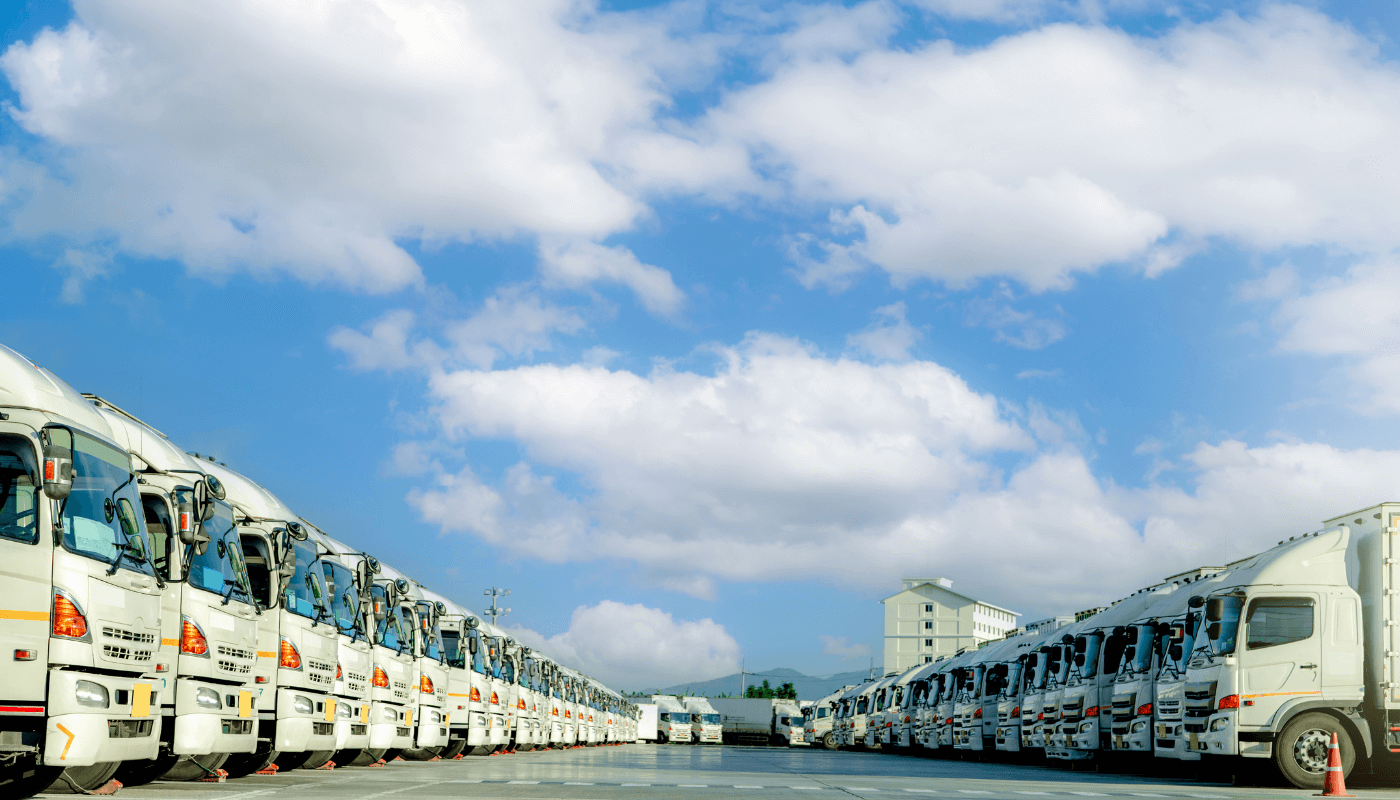
Vehicles are a fleet's main asset because they make transportation operations possible. There are various types, sizes and models available, which the manager should assess according to their needs.
For organizing goods inventory, for example, forklifts are essential. In freight transport, trucks are essential, and for transporting small items, motorcycles are also a plausible alternative.
It all depends on the type of product to be transported.
Tires
Although connected to the vehicle, tires can be considered separate fleet assets. This is because they must be purchased individually and replaced (a few times) over the vehicle's period of use.
They are fundamental to safe, efficient transportation, with the role of providing vehicles with traction, stability and balance.
Systems
Systems, although not tangible goods, are considered fleet assets because they contribute to its operation and management. Tracking, telematics and maintenance control software are essential for operational efficiency and performance.
Among other types of systems, it is fundamental to have this organization of information and, where appropriate, also take advantage of AI programs in fleet management, bringing better, faster results to your company.
How do you manage fleet assets?
Fleet asset management involves proper identification, maintenance, control, monitoring and documentation of all assets. Here, you need to carry out a set of actions and processes that allow you to view all the necessary information about fleet performance:
1 – Asset identification
To start, you need to know what you are managing. List all fleet assets and gather what is needed to manage them. Vehicles, for example, need maintenance, route and cost monitoring, right?
You should therefore plan which activities will be involved in these situations, which elements should be prioritized and which systems will be implemented.
2 – Vehicle and maintenance management
As mentioned, vehicles are the main assets of an operation, so they need closer management. Their daily departures and returns, state of maintenance and services performed need to be controlled, among other details.
Vehicle management actions therefore include:
- Having a preventive maintenance routine through an inspection schedule and service scheduling;
- Monitoring vehicle performance on the road through tracking and telematics systems;
- Assessing driver behavior in traffic through telematics and traffic fine management;
- Planning fleet renewal in advance;
- Assessing maintenance costs regularly to identify excessive increases.
3 – Tire and inventory management
Tires need to be monitored to avoid issues such as punctures, bulges, blowouts or bald tires. When in ideal condition, they help reduce fuel consumption and fleet maintenance costs.
In addition to managing tires in use, you also need a good inventory control method. You can use methodologies such as SKU codes, the PDCA cycle or the ABC curve. Identify and use the method that makes the most sense for your operation.
The most important thing is for your management to identify the need for new purchases and disposals and also know the ideal time to request tire retreading services.
Besides tires, make sure you control spare parts and other supplies your operation needs.
4 – Use and management of technologies
Technologies serve to manage the other areas of fleet management, but the systems themselves also need administration and assessment. It is important to understand which system meets the desired objective, which is delivering a return on investment and which did not meet expectations.
When managing these fleet assets, you should consider indicators and parameters before and after system implementation.
For example, a tire management system produces greater tire durability, fuel savings and fewer early disposals, so these are the three indicators you should use to understand whether adopting this control software is producing results.
Want a better understanding of how to control and manage your fleet's assets? Explore our free resource to increase savings and productivity in your operations (in Portuguese).
Frequently asked questions
What is a fleet asset?
What are a fleet's assets?
How do you manage fleet assets?
How do you manage fleet tires and inventory?
How can you assess whether fleet management software delivers a return?
// newsletter
Fleet management content, straight to your inbox
Articles on tires, maintenance and fleet operations. No spam.