Puncture-resistant tires: types, uses and care
 Luiz Felipe 6 min read
Puncture-resistant tires are designed to resist punctures or allow driving for a limited period after pressure loss, depending on the technology used. This category includes different solutions, such as internal sealant coatings, run-flat tires with reinforced sidewalls and airless structure concepts.
So they can offer greater safety, reduce downtime and lessen the need for frequent repairs, provided their use follows the manufacturer’s specified application, correct size and professional assessment whenever a puncture occurs.
Generally, sealant technology tires can be used according to tire size without requiring a dedicated rim; run-flat models have speed and distance limits after pressure loss; and airless structures are a different technical solution that does not rely on internal pressure. To better understand benefits and limitations, read on:
- What a puncture-resistant tire is
- The benefits of using puncture-resistant tires
- How it works
- Which vehicles can use this tire type
- Whether the vehicle needs a specific or modified structure to use puncture-resistant tires
- How puncture-resistant tires are installed
What is a puncture-resistant tire?
A puncture-resistant tire is a tire type or family of technologies created to reduce the impact of punctures on driving. This family includes internal coatings that seal holes in the tread area, run-flat tires that support the vehicle for a limited distance even at low or zero pressure, and airless structures, which need no internal pressure.
Unlike conventional tires, these solutions use reinforced materials, sealant layers or specific structural designs. With internal sealants, the goal is to prevent pressure loss when a puncture occurs in the area covered by the material. With run-flat tires, the tire can continue rolling within manufacturer-defined limits. Airless technology should not be treated as simply a regular tire with sealant: it is an airless structure.
What are the benefits of using puncture-resistant tires?
Road safety
Puncture-resistant tires can reduce sudden loss of vehicle control in some puncture cases, so they contribute to transport safety when correctly specified and in good condition.
When a puncture occurs within the conditions covered by the technology, the vehicle may continue to a safe place for repair or assessment. With run-flat tires, for example, manufacturers specify distance and speed limits after pressure loss, such as driving up to 80 km at no more than 80 km/h on certain tire lines, or up to 40 km at 80 km/h with another technology. Even so, any punctured tire needs checking by a qualified professional.
Less downtime
As some technologies allow the vehicle to continue driving for a limited time after a puncture, the need for unexpected stops to repair punctures decreases.
This results in fewer operational disruptions and increased productivity. At the very least, problematic disruptions are reduced, such as fleet tire punctures in hard-to-reach places or without nearby tire repair shops. This reduction is safer when the fleet records incidents, keeps track of tire history and instructs drivers to stop for inspection as soon as possible.
Cost reduction
Puncture-resistant tires may allow the driver to continue to the nearest point for tire replacement, repair or inspection in a safe place.
Thus, they can reduce costs associated with delivering replacement tires to the vehicle or using tow trucks to move it, avoiding additional expenses and improving operational efficiency. This benefit, however, depends on the chosen technology, compatibility with the operation and compliance with post-puncture usage limits.
Reliability and operational efficiency
Vehicles equipped with these tires are less prone to tire-related delays when the puncture is covered by the technology and the driver can continue to a safe place.
The reliability of puncture-resistant tires can provide a more efficient operation, allowing transport companies to maintain schedules and meet deadlines with fewer puncture-related disruptions. For fleets, the key point is to distinguish the technologies clearly: internal sealant is not the same as run-flat, and an airless structure does not follow the same installation and maintenance approach as a pneumatic tire.
How does a puncture-resistant tire work?
One of the main technologies is the self-sealing internal coating, involving sealant materials positioned inside the tire in the area corresponding to the tread.
In other words, when an object punctures this area, sealant moves to the hole, creating a seal that prevents or reduces pressure loss. For one such technology, the manufacturer reports coverage for almost 85% of possible accidental causes of pressure loss; another reference cites immediate sealing of tread punctures less than 6 mm in diameter.
Another technology is run-flat, which does not necessarily seal the hole but uses reinforced sidewalls to support the vehicle in case of pressure loss. Driving continues only within manufacturer-specified limits, such as maximum speed and distance.
There are also airless structures, designed to maintain functionality without internal pressure. In this case, talking about calibration or guaranteeing pressure makes no sense: the solution’s principle is precisely to dispense with air. Even so, a puncture or damage should lead the vehicle to a safe point for assessment and repair where applicable.
Which vehicles can use these tire types?
Sealant technology tires are easy to obtain and use for passenger cars when the size is available for the vehicle, providing additional safety for drivers in their daily routines.
SUVs can also use puncture-resistant tires in compatible sizes, especially on rough terrain where punctures are more likely. The choice should consider the application: internal sealant, run-flat and airless structures have different behavior and limitations.
In transport fleets, commercial vehicles such as delivery vans and light trucks can use this tire type when a size and technology suited to the operation are available. Passenger transport vehicles also stand out as one of the vehicle types that can benefit most from fewer unexpected stops, provided tire specifications and inspection procedures are compatible with the fleet’s routine.
Does the vehicle need a specific or modified structure to use puncture-resistant tires?
Generally, tires with a sealant coating do not need a dedicated rim for safe use, provided the size is compatible with the vehicle. The technology itself is applied inside the tire, in the tread area, and does not require treating the vehicle as if it had received a special structure.
However, it is important to ensure the wheels are in good condition and the vehicle is properly aligned and balanced to avoid problems while driving.
In some cases, especially for run-flat tires or airless structures, specific mounting, equipment or compatibility requirements may apply. For airless structures, the approach differs from a conventional tire because there is no internal pressure to maintain.
It is always advisable to consult a professional or the tire manufacturer to confirm compatibility with your vehicle and follow appropriate installation, maintenance, speed, distance and inspection guidance.
How are puncture-resistant tires installed?
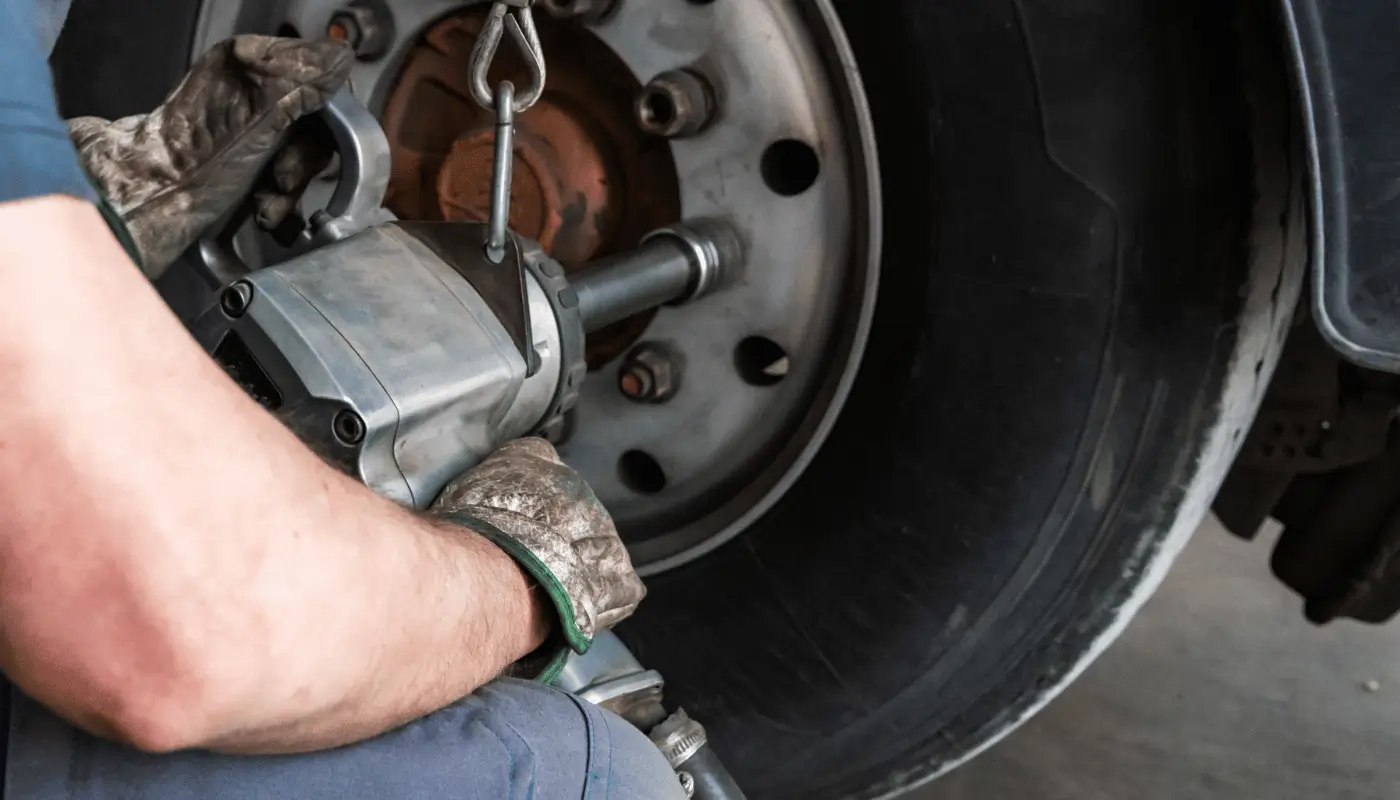
Installation of puncture-resistant tires may resemble conventional tire installation when the technology uses a sealant coating and the size is compatible, but trained professionals must perform it to ensure all technical specifications are met. For example, vehicle preparation is essential, checking tire compatibility and wheel condition.
Specific equipment may be needed for mounting with some technologies, especially run-flat tires or airless solutions. Manufacturer guidance must prevail, because each technology handles pressure loss, vehicle support and post-puncture repair differently.
After installation, tests must be performed to ensure the tires work correctly. If a puncture occurs, even a small one, checking by a qualified professional remains necessary before keeping the tire in regular use.
Learn now how to manage your fleet’s tires to ensure maximum durability and efficiency. Download the free tire management guide (in Portuguese).
Frequently asked questions
How does a puncture-resistant tire prevent pressure loss?
Does my vehicle need modifications to use puncture-resistant tires?
Which vehicles can use this tire type?
What benefits do puncture-resistant tires bring to a fleet?
How are they installed?
// newsletter
Fleet management content, straight to your inbox
Articles on tires, maintenance and fleet operations. No spam.