Semi-trailer tire equalizers and rodoar: worth it?
 Jean Zart 3 min read
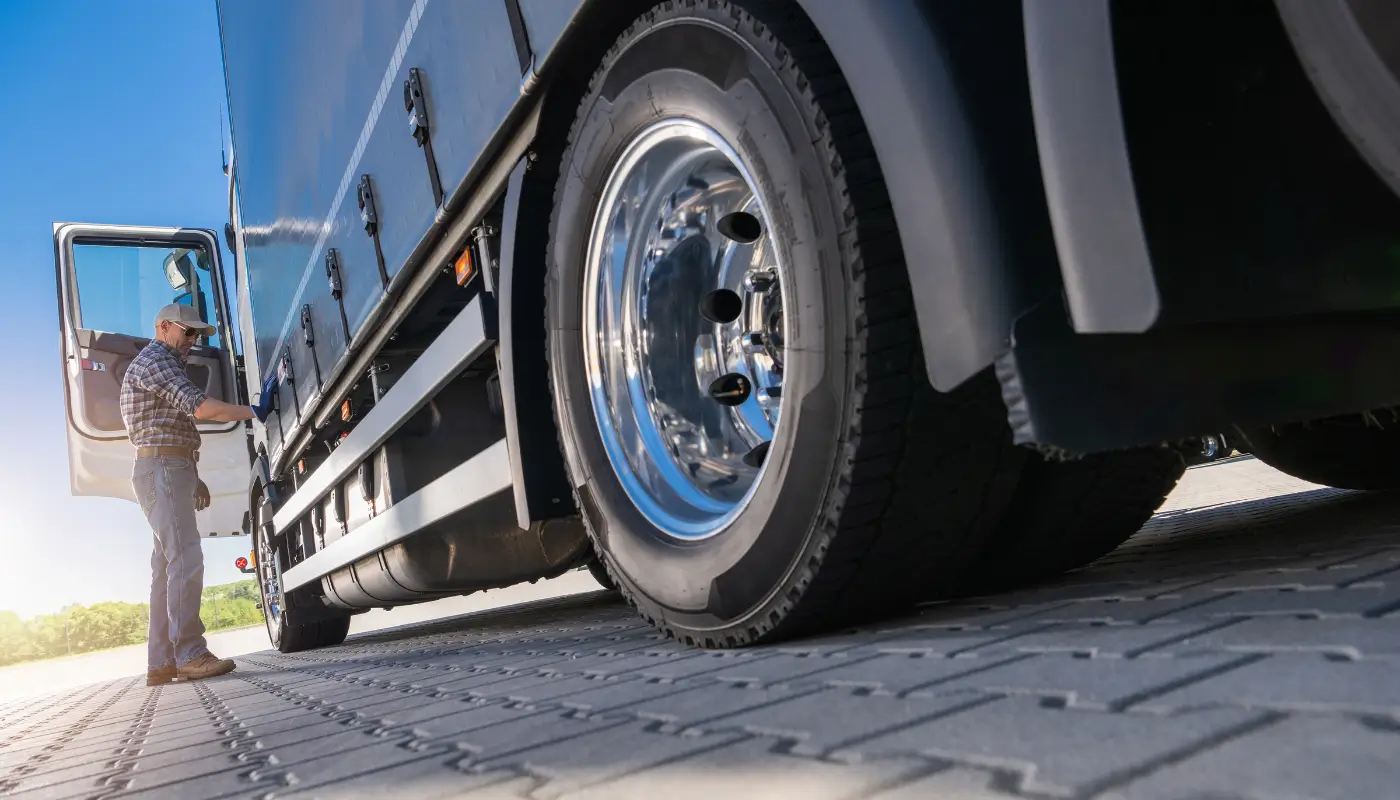
Keeping fleet tires in good condition is one of the most important tasks for managers and drivers. Solutions such as rodoar and olho de gato are frequently discussed in the road transport industry because they promise efficiency and savings.
But are they really good and effective at what they promise? Read on:
What are rodoar and olho de gato?
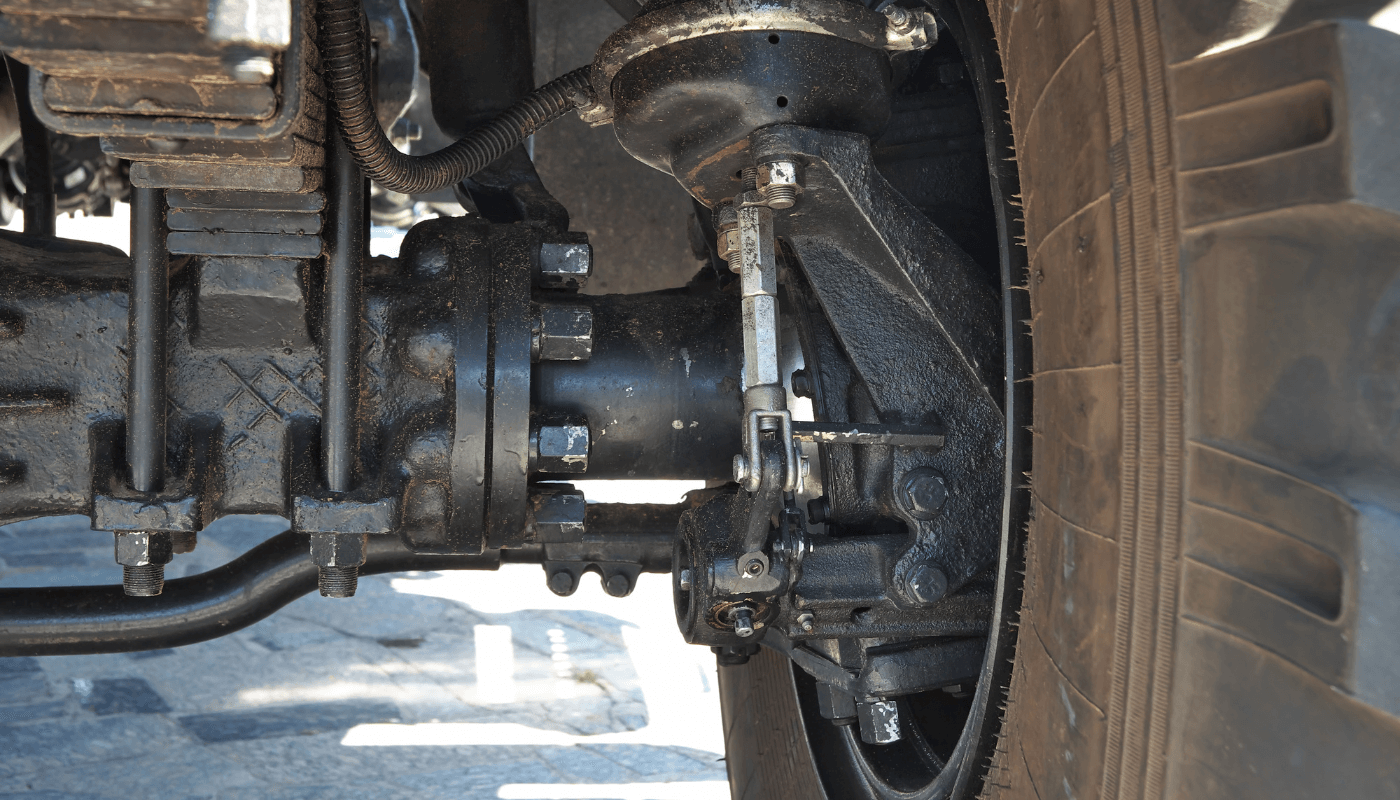
Rodoar is a system that keeps truck and semi-trailer tire pressure calibration constant during transport. It works by connecting the tires to a compressed air tank, automatically adjusting pressure when necessary.
However, its viability is disputed. Many drivers report issues related to improper installation or difficulty maintaining the system. On routes with severe conditions, the equipment can also be easily damaged, compromising its functionality.
Olho de gato is a pressure equalizer between dual tires on trucks and buses. It connects the two tires on the same axle, automatically balancing pressure between them.
The idea is to avoid situations where an overloaded tire wears faster than the other, which could damage the casing structure and affect vehicle safety.
Although simple and efficient, olho de gato also has limitations. It is better suited to vehicles operating in controlled conditions, such as paved highways. On rough terrain or in operations involving heavy, uneven loads, the system may not deliver the expected performance.
Is using rodoar and olho de gato on tires viable?
The viability of using rodoar and olho de gato on tires depends directly on operation type, usage conditions and your fleet’s tire maintenance priorities. To decide whether these technologies are viable for your case, you need to:
- Assess the operation type
Trucks traveling long distances on well-maintained highways may benefit more from these technologies.
On rough terrain or in urban operations with frequent stopping and starting, system wear may be greater, compromising value for money.
- Consider installation and maintenance costs
Rodoar and olho de gato require initial investment and periodic maintenance. So you should make sure the long-term financial benefit justifies the costs.
Likewise, poorly installed or neglected systems can cause more issues than solutions, such as air leaks or pressure calibration failures. Therefore, if used, these tools must be installed and handled by specialist professionals.
- Analyze the promised benefits
Rodoar helps keep tire pressure constant, reducing wear and increasing safety.
Olho de gato balances pressure between dual tires, preventing uneven wear. This feature is especially useful for fleets carrying heavy loads.
If these are the benefits you are looking for, using them may make sense.
- Check the impact on safety and efficiency
Maintaining proper pressure calibration can reduce the risk of accidents caused by improperly inflated tires.
Fuel consumption can also be optimized, since correctly inflated tires offer lower rolling resistance.
But remember to assess whether rodoar and olho de gato are indeed the best choice for these goals, since there are various other technologies and technology tools that can offer these and other benefits.
- Test before implementing on a large scale
Consider installing the system on a few vehicles before expanding to the whole fleet. This will allow you to assess durability, functionality and real benefits in your operating context.
As you can see, both systems offer benefits that can be advantageous, provided conditions are favorable and maintenance is carried out correctly.
However, a detailed analysis considering operation type, route conditions and your fleet’s profile is essential.
To start managing and analyzing your fleet’s tires, download our free tire control spreadsheet now (in Portuguese) and get a complete view of all your assets’ costs and conditions. With it, you make better-informed decisions and optimize your operations!
Frequently asked questions
What is rodoar and how does it work?
What is an olho de gato tire device?
Is it worth installing these systems in my fleet?
What are the risks of poor installation?
How can you test before adopting them across the fleet?
Are rodoar and olho de gato the only ways to keep tire pressure correct?
// newsletter
Fleet management content, straight to your inbox
Articles on tires, maintenance and fleet operations. No spam.