Is regular vehicle inspection mandatory?
 Jade Zart 6 min read
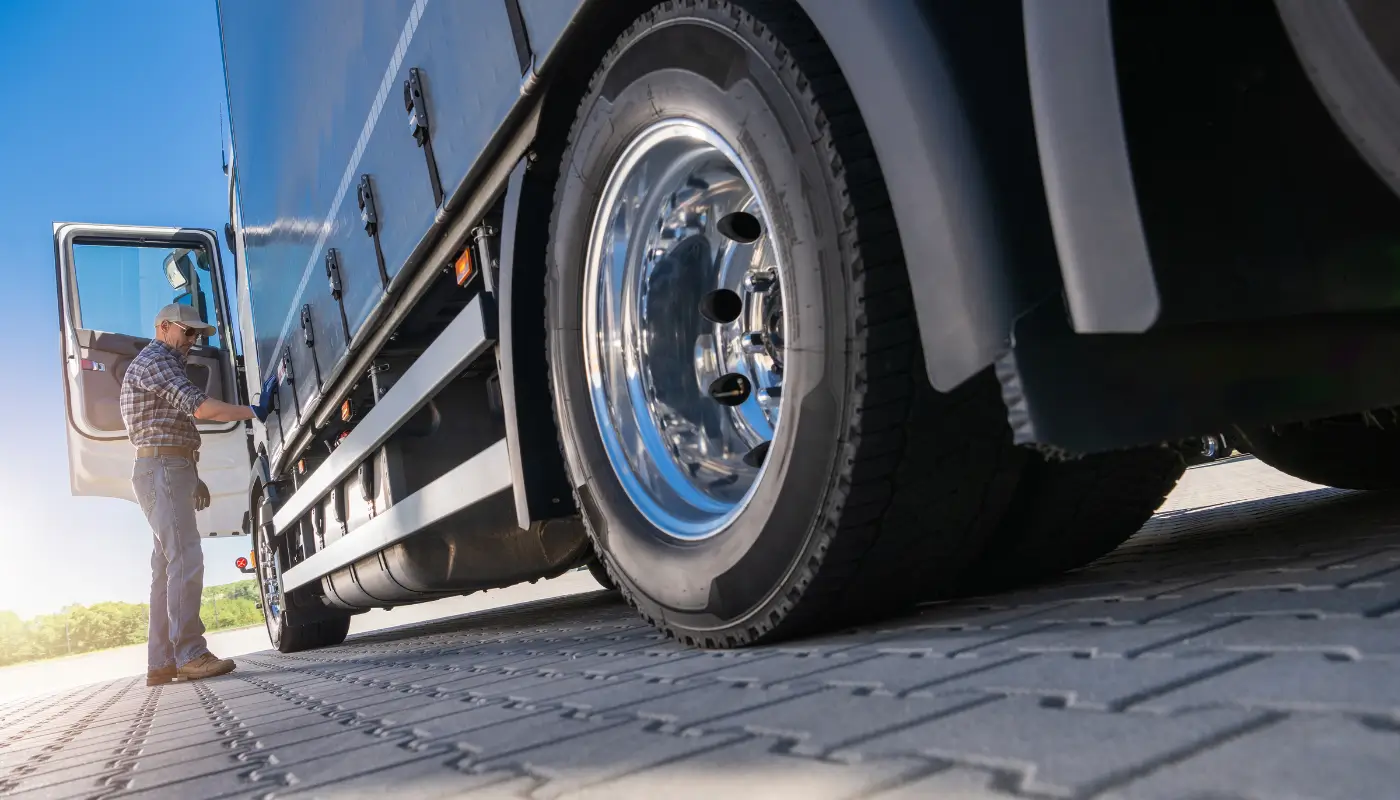
Regular vehicle inspection becomes an indispensable practice by reducing operational delays and high emergency repair costs.
It is also essential to ensuring greater transport safety. Do you know why? Because inspection investigates potential vehicle faults and issues before they become serious enough to cause a breakdown.
This allows preventive services to be performed, generating all the benefits I just mentioned. Want to learn more? Keep reading:
- What is vehicle inspection?
- What is the difference between inspection and formal vehicle assessment?
- Is vehicle inspection mandatory in the fleet?
- What is vehicle inspection for?
- Which vehicles should undergo vehicle inspection?
- What is checked during vehicle inspection?
- What do you need for a regular fleet vehicle inspection routine?
- What are the consequences of not carrying out regular inspections on fleet vehicles?
- How can technology help with vehicle inspection?
- What costs are associated with regular vehicle inspection?
What is vehicle inspection?
Vehicle inspection is a process that checks various vehicle systems and components to identify faults or issues that may affect vehicle operation and performance.
Depending on how and how often it is performed, it can include anything from simple checks, such as headlight operation, to more complex matters, such as suspension system operation.
I know a truck broken down at the roadside happens at the worst times, but that is exactly the main goal of regular vehicle inspection: avoiding unwanted surprises and ensuring transport operations function fully — as well as generating associated savings.
What is the difference between inspection and formal assessment of fleet vehicles?
Although both processes aim to evaluate the vehicle's structure, their purposes and methods differ.
Regular vehicle inspection is a continuous preventive maintenance process. Its focus is therefore to identify potential faults or issues to bring corrections forward, before they cause damage and interrupt operations.
This happens in a more technical way, and in general, inspection does not seek to “approve” the vehicle for road use, but rather to ensure it is in ideal operating condition.
A formal vehicle assessment, in turn, is an evaluation process to check whether the vehicle complies with specific safety, environmental or regulatory standards. Unlike inspection, however, it is not performed technically, focusing on evaluating the vehicle's visual aspects and its documentation.
In this case, the procedure results in an assessment report, where the vehicle may pass or fail based on the established criteria. If it fails, a detailed report explaining defects or noncompliance will be issued.
Is regular vehicle inspection mandatory?
In Brazil, no: regular vehicle inspection is not an obligation established by law. However, maintaining vehicles in good condition is required (Article 27 of the CTB, the Brazilian Traffic Code), and this is only possible by regularly keeping track of asset operation.
On the other hand, technical safety inspection and control of pollutant gas and noise emissions are mandatory for certain vehicles in Brazil, as stipulated in Article 104 of the CTB.
What is vehicle inspection for?
Vehicle inspection serves to ensure your fleet vehicles are always in safe, operational condition, preventing mechanical failures and structural issues that could interrupt operations.
Based on my experience in the field, I can say that carrying out regular inspections is one of the best practices I have implemented and also one of the most important for avoiding unpleasant surprises on the road and maintaining efficient, safe transport operations.
Which vehicles should undergo regular inspection?
Since inspection aims to ensure good vehicle performance, all vehicles should undergo regular preventive inspections.
But some vehicle types do require even closer attention, including heavy freight vehicles such as trucks and semi-trailers, and vehicles for freight transport of dangerous goods (in Portuguese) carrying materials such as fuels and chemical products.
What is checked during vehicle inspection?
Among the most commonly checked items are braking, suspension and steering systems, tires and wheels, lighting and signaling, fluid levels and the vehicle's overall structure.
I also think it is important to highlight that inspection follows a checklist model, which can be simpler and quicker, as with daily pre- and post-trip inspections, or more complete and detailed, as with servicing based on time in use or mileage.
In the first case, you mainly focus on safety items or those essential to vehicle operation, such as brakes, headlights and seat belts. In the second, you need to cover aspects such as balancing, alignment and tire rotation, as well as other preventive assessments and services.
What do you need for a regular fleet vehicle inspection routine?
One essential element is creating a checklist adapted to your fleet's specific needs. Other tools and equipment, such as a maintenance management system, can be useful, but you should assess this according to your operation's circumstances.
In general, smaller fleets of up to 50 vehicles are not yet at the point of adopting a complete management system, but can make good use of an electronic checklist tool that is a little simpler but very effective.
Proper planning of inspection frequency, considering vehicle use, mileage or operating time, is another indispensable factor. A good schedule makes all the difference in avoiding operational interruptions.
What are the consequences of not carrying out regular inspections on fleet vehicles?
Without an inspection routine, mechanical issues can go unnoticed, resulting in unexpected failures during a trip, ultimately interrupting operations, causing delays and increasing costs, as well as putting lives at risk.
Moreover, it can lead to accelerated wear of vehicle components such as tires, brakes and suspension systems, resulting in more expensive and frequent repairs.
Corrective maintenance usually costs much more than preventive maintenance, not to mention the negative effect on productivity, since vehicles out of service for emergency repairs represent lost time and money.
How can technology help with vehicle inspection?
Using an electronic checklist makes it possible to standardize the inspection process and reduce the chance of an important item being overlooked. At Prolog, checklists are completed through the app on a mobile phone and can include photos taken at the time of inspection to better describe the noncompliance reported.
Another major advantage of technology is organizing inspection data into a history that is easier to consult. When noncompliance is indicated on the checklist, Prolog's solution can generate work orders automatically; afterward, reports and charts help keep track of which items were reported and how many work orders were generated.
In fleets where technology use and investment are already more advanced, sensors and monitoring devices can support identification of relevant symptoms as an industry resource. Even so, the checklist routine remains valuable because it records an inspection performed by a person, allows different models to be applied by vehicle type and can work even without an internet connection.
What costs are associated with regular vehicle inspection?
The costs of maintaining a regular vehicle inspection routine may include labor for the professionals responsible, the necessary tools and, in some cases, investment in technologies such as an electronic checklist app.
I know these costs may seem high or unnecessary at first, but in my experience, they are an investment that pays off, because eliminating unexpected failures and emergency repairs, which usually cost much more, helps save money over the long term.
Want to ensure your fleet is always in ideal condition? Schedule a demonstration now and discover how our solutions can help optimize inspection routines and your fleet management.
Frequently asked questions
What is the difference between inspection and formal vehicle assessment?
Is regular vehicle inspection required by law?
What is checked during vehicle inspection?
Does a small fleet need a complete management system?
What happens if the fleet does not carry out regular inspections?
What are the costs of maintaining an inspection routine?
// newsletter
Fleet management content, straight to your inbox
Articles on tires, maintenance and fleet operations. No spam.