Speed limiter: how it works in a fleet
 Jade Zart 3 min read
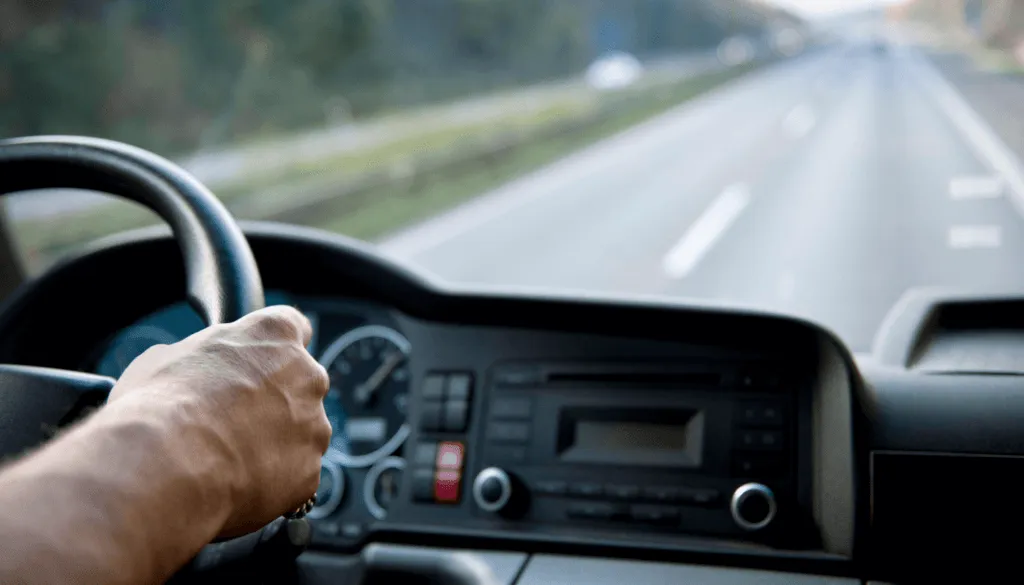
The speed limiter has become a highly relevant device, adopted in several countries because of its positive impact on road safety.
The high numbers of fatal accidents associated with speeding prove it. In Brazil, for example, in the first seven months of 2023 alone, authorities recorded 2,476 accidents linked to this cause.
Although it is not yet mandatory in Brazil, the speed limiter is already starting to appear on several more modern and technologically advanced models.
What is a speed limiter?
A speed limiter is an electronic device built into vehicles, whether heavy or light, specifically designed to control the maximum speed they can reach.
The system prevents the vehicle from exceeding a previously set speed limit, ensuring that drivers do not go beyond a safe driving speed.
What is a speed limiter for in a fleet?
The main function of a speed limiter is to promote road safety by reducing the risk of accidents caused by speeding.
It is particularly useful in transport fleets, where keeping vehicle speeds within legal limits is essential both for road safety and for avoiding fines.
By regulating speed, the limiter also contributes to better driving, generating fuel savings and reduced vehicle wear, bringing additional benefits to transport companies.
How does limiting vehicle acceleration work?
A speed limiter works through an electronic system integrated into the vehicle's engine, which continuously monitors driving speed.
When the vehicle approaches the preset speed limit, the system automatically steps in to control acceleration. The system reduces the fuel supply to the engine or adjusts the air intake, preventing the vehicle from exceeding the set limit.
The system carries out this process smoothly to ensure that the speed reduction does not abruptly affect vehicle operation.
In some cases, the system may issue visual or audible alerts to inform the driver that the speed limit is being reached.
The limiter is programmed according to local traffic regulations and fleet policies, allowing fleets to customize speed limits as needed to better serve their transport operations.
Depending on the technology, a camera in the vehicle adjusts the limits automatically, reading traffic signs and picking up the speeds allowed in each area.
Which trucks have speed limiters?
Globally known truck brands, such as Volvo, Mercedes-Benz, Scania, MAN and Iveco, frequently offer speed limiters on their vehicles.
However, for specific information on which truck models have speed limiters, it is advisable to check directly with manufacturers or dealerships, because they can provide up-to-date details on the features available on their vehicles.
The presence of speed limiters on trucks varies by region, local regulations and the vehicle manufacturer's specifications.
In many countries, especially in the European Union, the law requires new trucks to be equipped with speed limiters.
In Brazil, although it is not a legal requirement, many heavy vehicle manufacturers already include speed limiters as a standard or optional feature on their newest models.
These devices are part of a set of safety and efficiency technologies. They aim not only at road safety but also at fuel savings and reduced emissions.
How does a speed limiter help reduce fines?
By controlling speeding, this device helps ensure that drivers respect the speed limits set on roads and highways.
In some situations, the driver may not realize they are exceeding the permitted speed limit and may be near speed cameras or enforcement points, leaving them exposed to fines.
With the limiter, however, they receive a warning to stay within the permitted speed. This way, they can avoid the consequences, such as a fine or, in more serious cases, accidents.
It is important to keep these situations under control and understand how many speeding fines the operation is receiving. That way, you can take the appropriate interim measures.
These can range from driver training to simulations and bonuses for good performance.
Not only does this reduce fleet costs, it also promotes safer transport operations and better behavior on the part of drivers.
Check out our traffic fine tracking spreadsheet to see whether speeding fines are a common, recurring issue in your operations. Download it for free here.
Frequently asked questions
What is a speed limiter?
How does a speed limiter work in practice?
Are speed limiters mandatory on trucks in Brazil?
Which truck brands usually offer speed limiters?
How does a speed limiter help reduce fines in a fleet?
// newsletter
Fleet management content, straight to your inbox
Articles on tires, maintenance and fleet operations. No spam.