Timing belt maintenance: what to do during servicing
 Jade Zart 5 min read
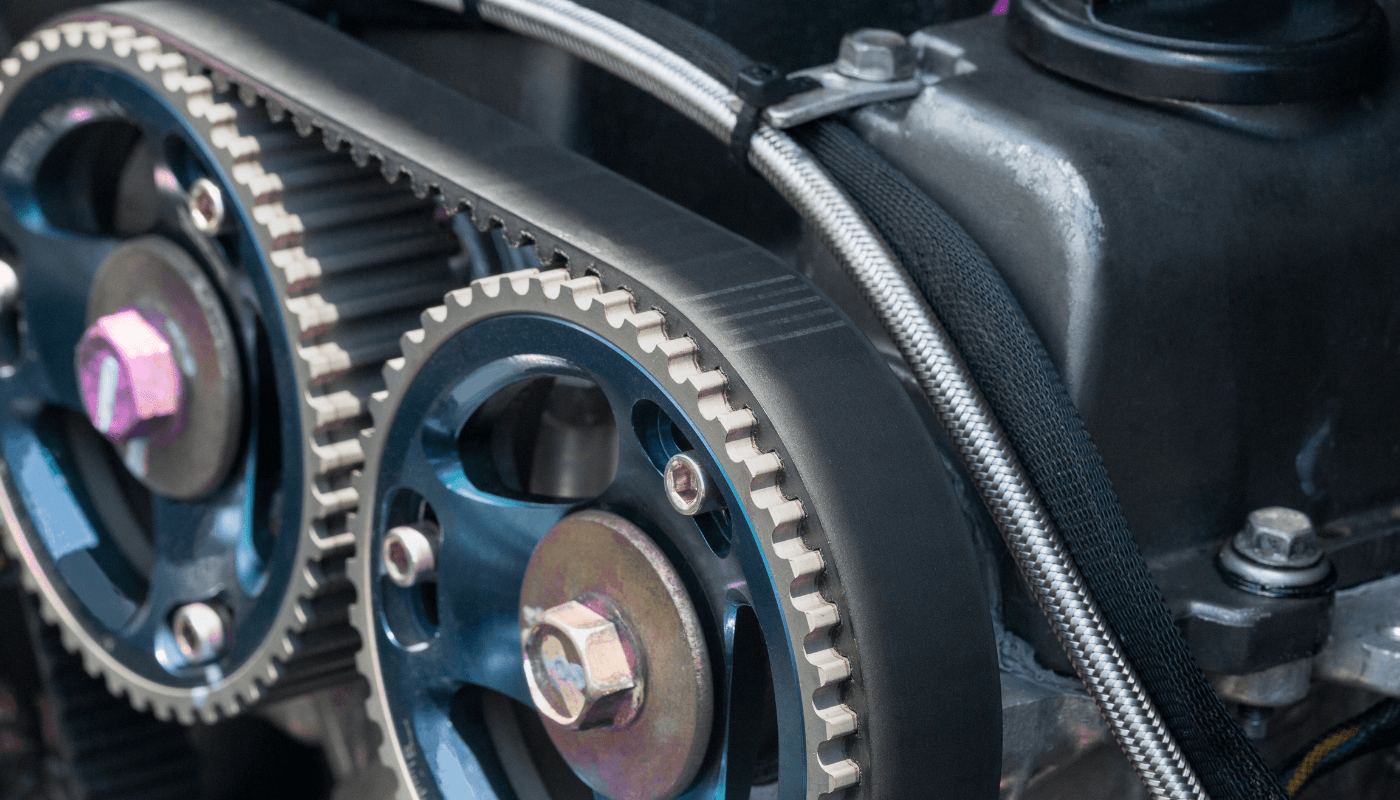
Timing belt maintenance is a task that helps a lot in preserving the vehicle's engine and provides greater safety in transport.
Although not every truck has a timing belt in its makeup (some have a flat belt or a V-belt), you need to identify which models use it so that the part can then be included in the vehicles' prevention routine.
One suggestion for starting to organize your fleet's maintenance is to start from the engine type and record which vehicles use a timing belt, which use another type of belt and which require specific components.
Keep reading to find out:
- How to maintain the timing belt;
- The importance of timing belt maintenance;
- How to tell that the timing belt is bad;
- How long a timing belt lasts
- When to replace the timing belt.
How do you maintain the timing belt?
You can maintain the timing belt by following these three steps:
Watching for signs of problems
Timing belt maintenance should be done preventively, before the belt shows problems. That way, you have a better chance of sparing the vehicle's engine and getting more use out of it.
When inspecting the belt, you should look for signs of wear, cracks, missing teeth or stretching. These are some of the most common problems that require replacing the item, and checking avoids keeping in operation a part that already shows clear signs of failure.
Servicing the part is also necessary when the vehicle runs on roads that raise a lot of dust, such as dirt roads and construction areas. This dust can damage the belt and impair the truck's operation and safety.
Remember to include the timing belt in your vehicle inspection checklist whenever you travel routes in these conditions, in addition to the preventive routine defined for the vehicles that use this component.
Replacing the complete assembly
When there are problems such as cracks or missing teeth, it is recommended to replace the entire assembly, including the pulleys and other components, to ensure that they are all synchronized.
This attention to the assembly is important because timing belt kits can bring together components such as tensioners, pulleys and a water pump. There are also kits matched to the vehicle's make, model and year, so purchase and installation need to respect each truck's configuration.
In addition, another case in which complete replacement should happen is when the parts have dried out or stretched. Not least because the use of lubricating oils is not advisable when they are not part of the component's specification.
Checking the other engine components
During timing belt maintenance, it is also advisable to check other engine items that may be associated with it, such as the water pump.
In some assemblies, the water pump is driven by the timing belt; that is why, when the service involves this system, inspecting the surrounding components helps decide whether only the belt or other parts also need to be replaced. This tip is relevant when the inspection takes place at isolated times or in isolated situations, since maintaining one component may indicate the need to check the items around it.
The importance of timing belt maintenance
If you do not yet give this vehicle component the attention it deserves, know that it is responsible for actions such as:
- Protecting the valve inside the cylinder;
- Ensuring greater safety in engine operation;
- Preventing the valve from bending;
- Preventing the cylinder head from warping;
- Preventing damage to the piston.
Therefore, timing belt maintenance becomes crucial for the engine to function properly.
How can you tell if the timing belt is bad?
It is not possible to identify problems with the belt without removing some of the parts that cover it, so it is necessary to disassemble some parts of the engine to inspect it and confirm whether or not there are problems with the timing belt.
By following a preventive routine, the part can be replaced before it reaches an advanced stage of wear or failure. So you need to keep track of the vehicle's mileage without treating contradictory numbers as a single rule for the whole fleet.
On the other hand, there are indeed some signs that the belt may be bad and showing problems. The main ones are:
- Unusual, strange and loud noises in the vehicle;
- Excessive vibrations in the engine and steering wheel
- Difficulty starting the engine and getting the vehicle going;
- Water leaking from the engine.
These symptoms are not always linked to timing belt maintenance issues, but they are common when there are problems with the part. For this reason, the belt should be one of the first items in investigating the cause of the problem.
How long does a timing belt last?
The useful life of the timing belt should not be treated with two contradictory limits in the same maintenance plan. To organize the fleet, identify the models that use this component and keep up the part's preventive servicing.
It is also worth considering that there are belts and kits designed for specific applications and that each kit may be compatible with a particular vehicle make, model and year. This compatibility should guide the choice of part and the decision about replacement.
When should the timing belt be replaced?
The timing belt should be replaced when the inspection finds wear, cracks, missing teeth, stretching, drying out or another sign of failure; when the preventive routine indicates replacement; or when disassembly shows that associated components also need to be replaced.
Including this preventive maintenance routine in the truck fleet is one of the best practices for your fleet. In addition, timing belt replacement, even when the belt shows no visible problems, is a measure that helps preserve the vehicle and increase its durability.
Therefore, depending on what you identify in the preventive service and in the part's physical signs, replacement may be necessary.
Want to get to know a maintenance management system that helps keep track of and identify issues in your fleet's vehicles, including timing belt maintenance?
See how Prolog App Maintenance Management works in a free demo.
Frequently asked questions
How often should the timing belt be serviced?
How long does a truck timing belt last?
What are the signs that the timing belt is bad?
Why replace the whole assembly and not just the belt?
What does the timing belt protect in the engine?
Does every truck have a timing belt?
// newsletter
Fleet management content, straight to your inbox
Articles on tires, maintenance and fleet operations. No spam.